

Learn
Field notes on coffee from the iCoffee team.
Read more
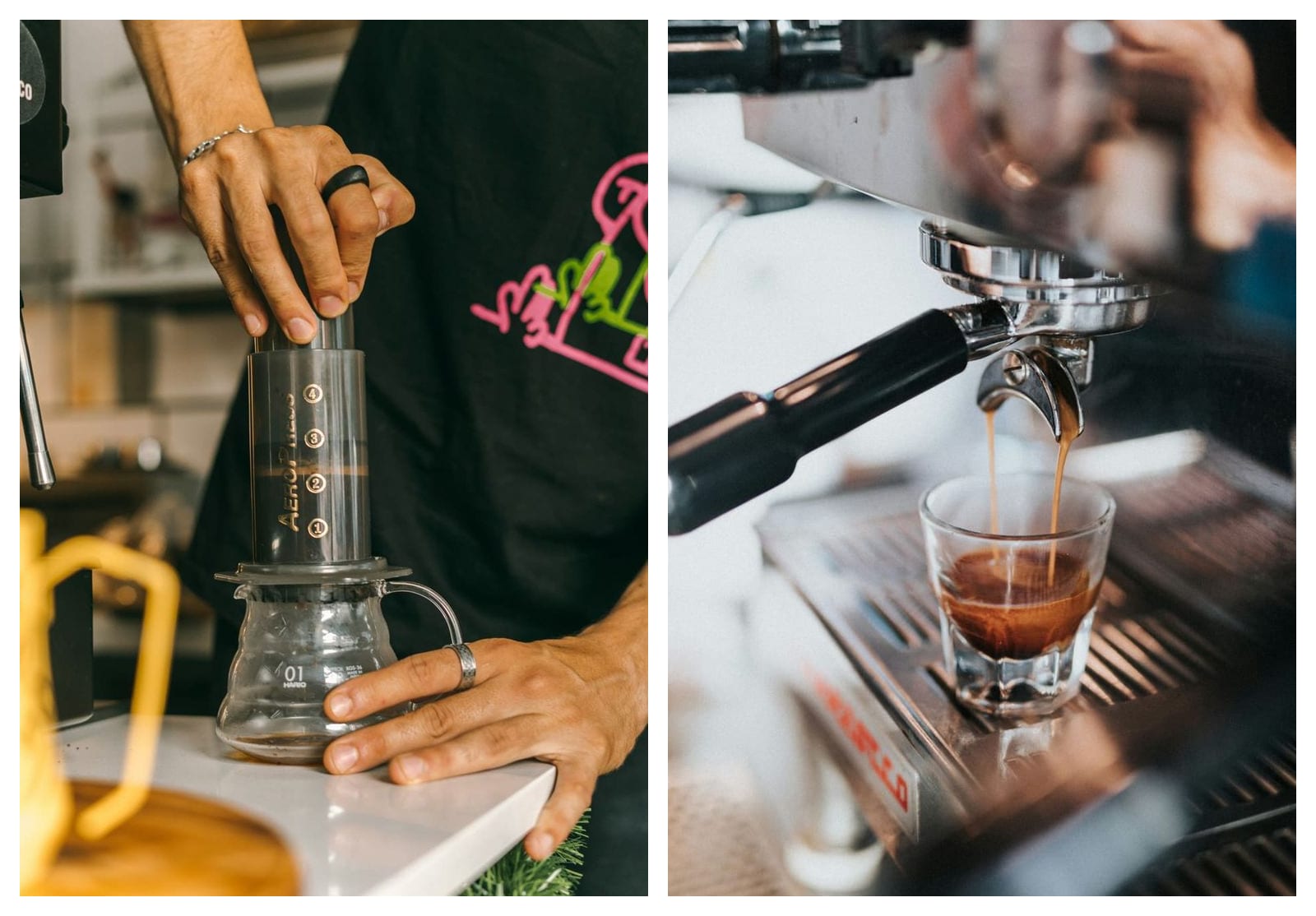
AeroPress vs Espresso Machine: Which One Is Right for You?
The AeroPress costs $40. An espresso machine costs $200 to $2,000. Here is what you get for the difference, and which one makes sense for your kitchen.

Read more
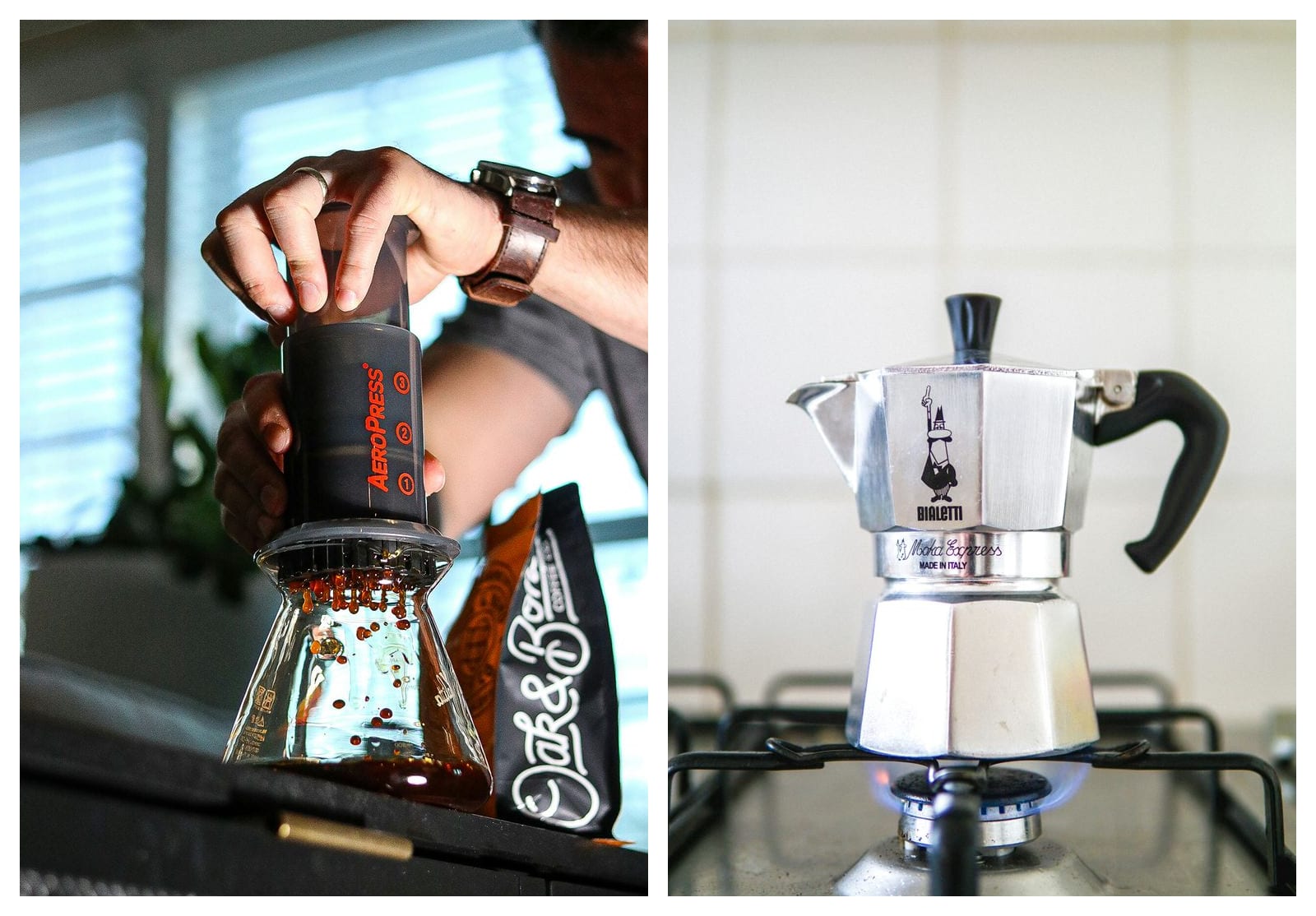
AeroPress vs Moka Pot: Which One Should You Buy?
Two compact brewers, two very different cups. What separates the AeroPress and the Moka Pot on flavor, effort, cost, and who each one is actually built for.

Read more
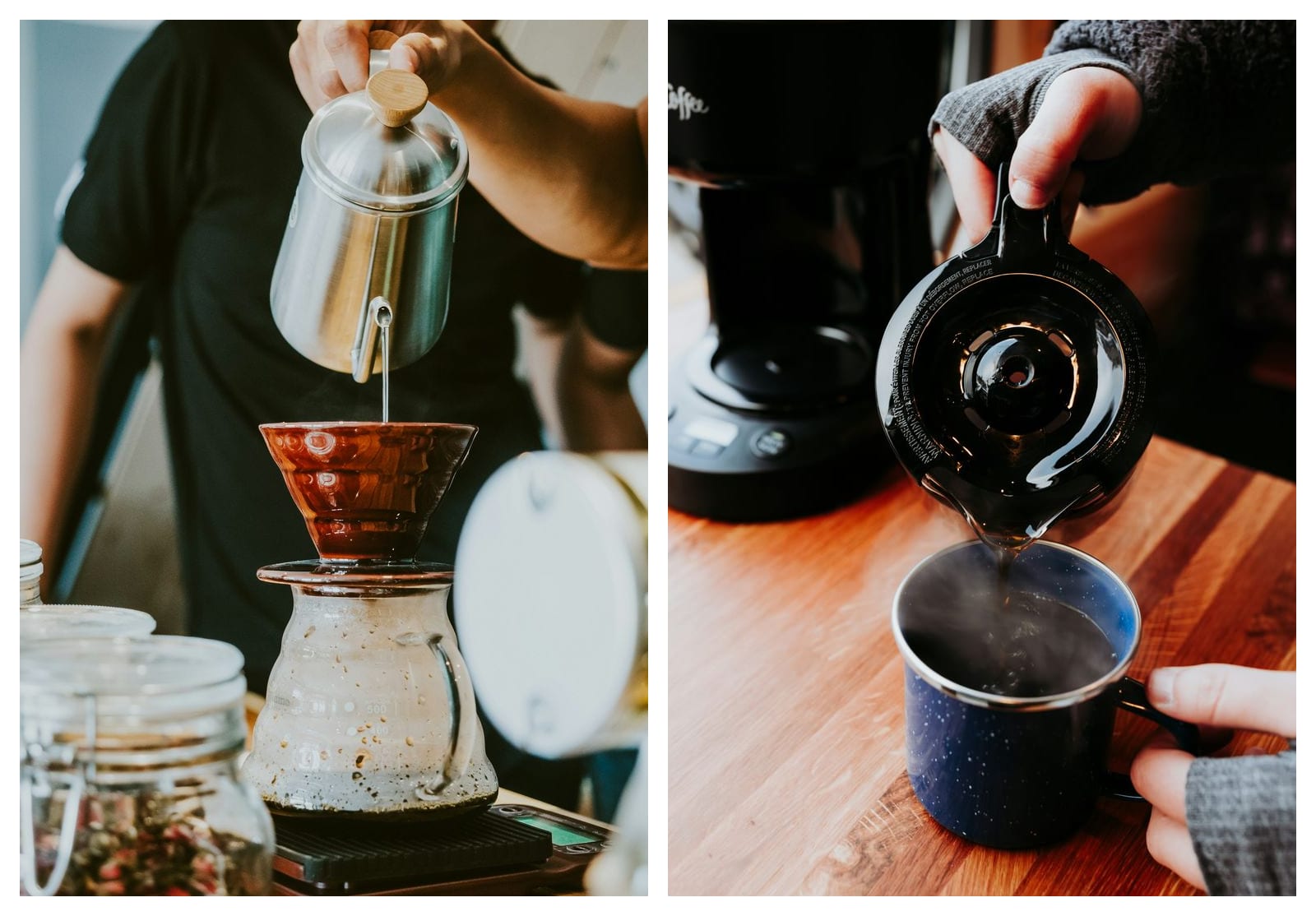
Pour Over vs Drip Coffee: Is the Upgrade Worth It?
A pour over gives you the temperature, the pour and the grind to adjust. A drip machine gives you a button. Which one suits you, on flavor, effort and cost.
Read more
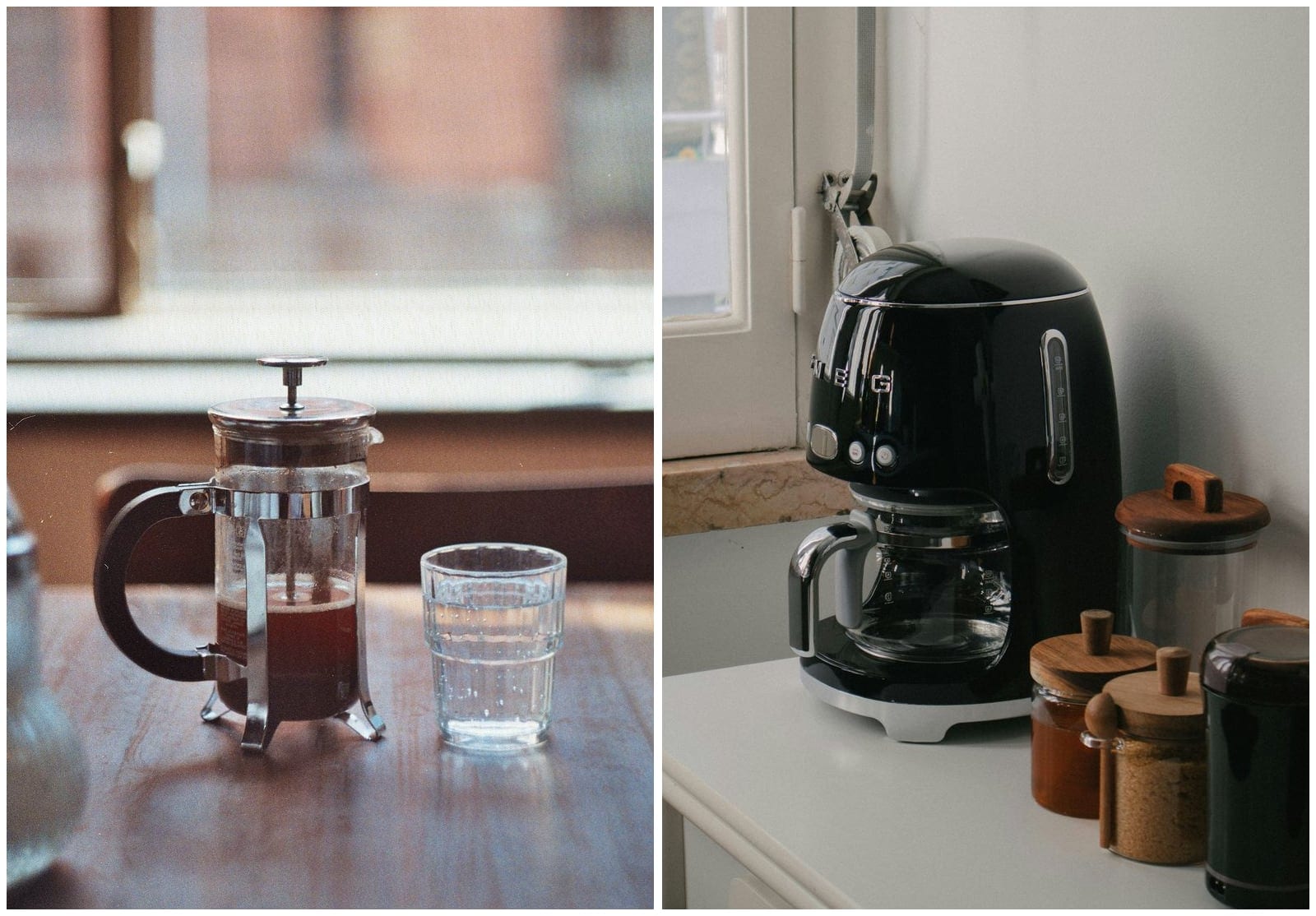
French Press vs Drip Coffee: Which One Should You Use?
Drip machine or French press: the cup, the effort, the cost and the honest trade-offs compared, plus a clear recommendation for each kind of home brewer.
Read more
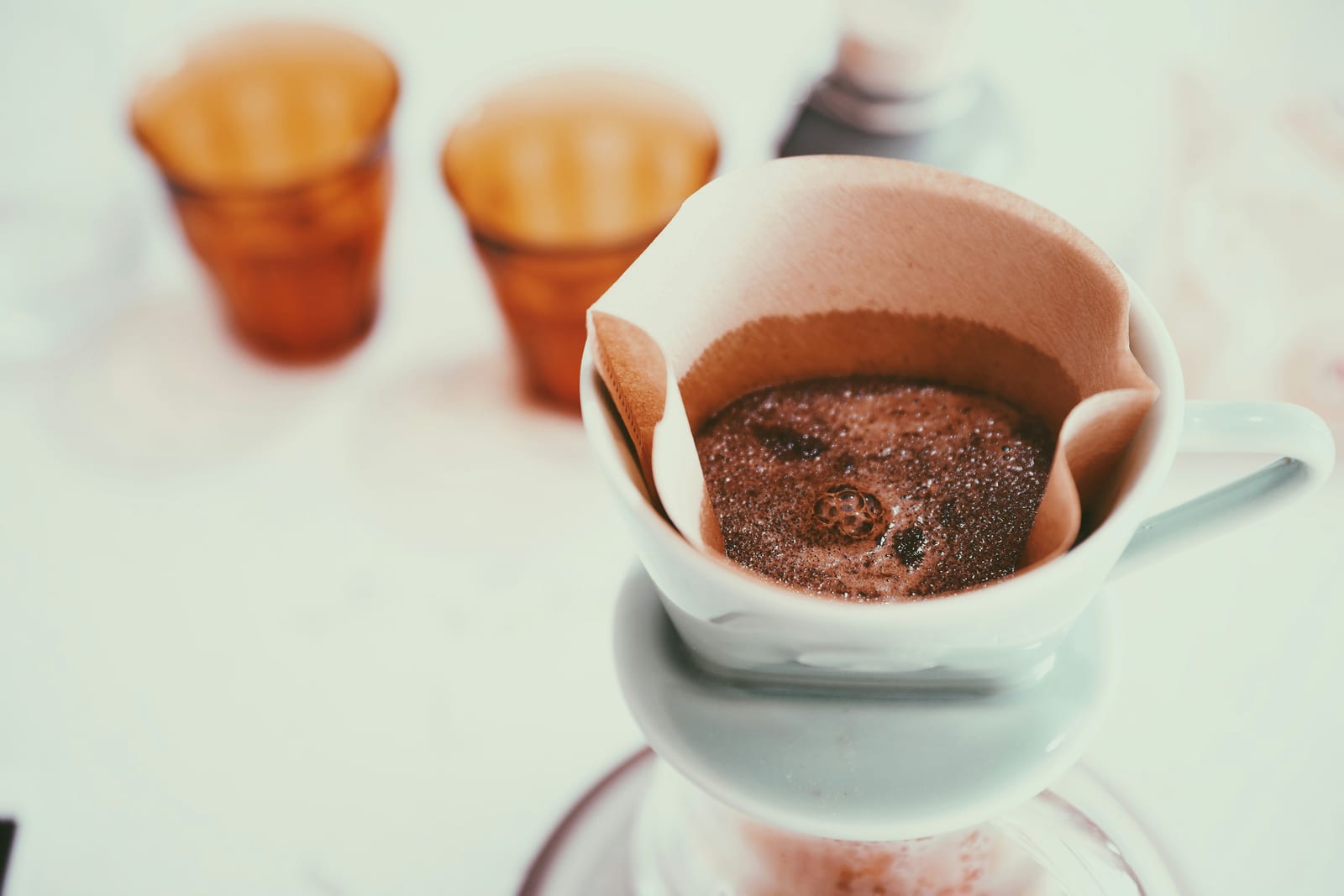
What Is Coffee Extraction? The Science Behind Every Good and Bad Cup
What coffee extraction actually means, the chemistry behind bitter and sour cups, and the four variables that decide whether every brew tastes good or off.
Read more
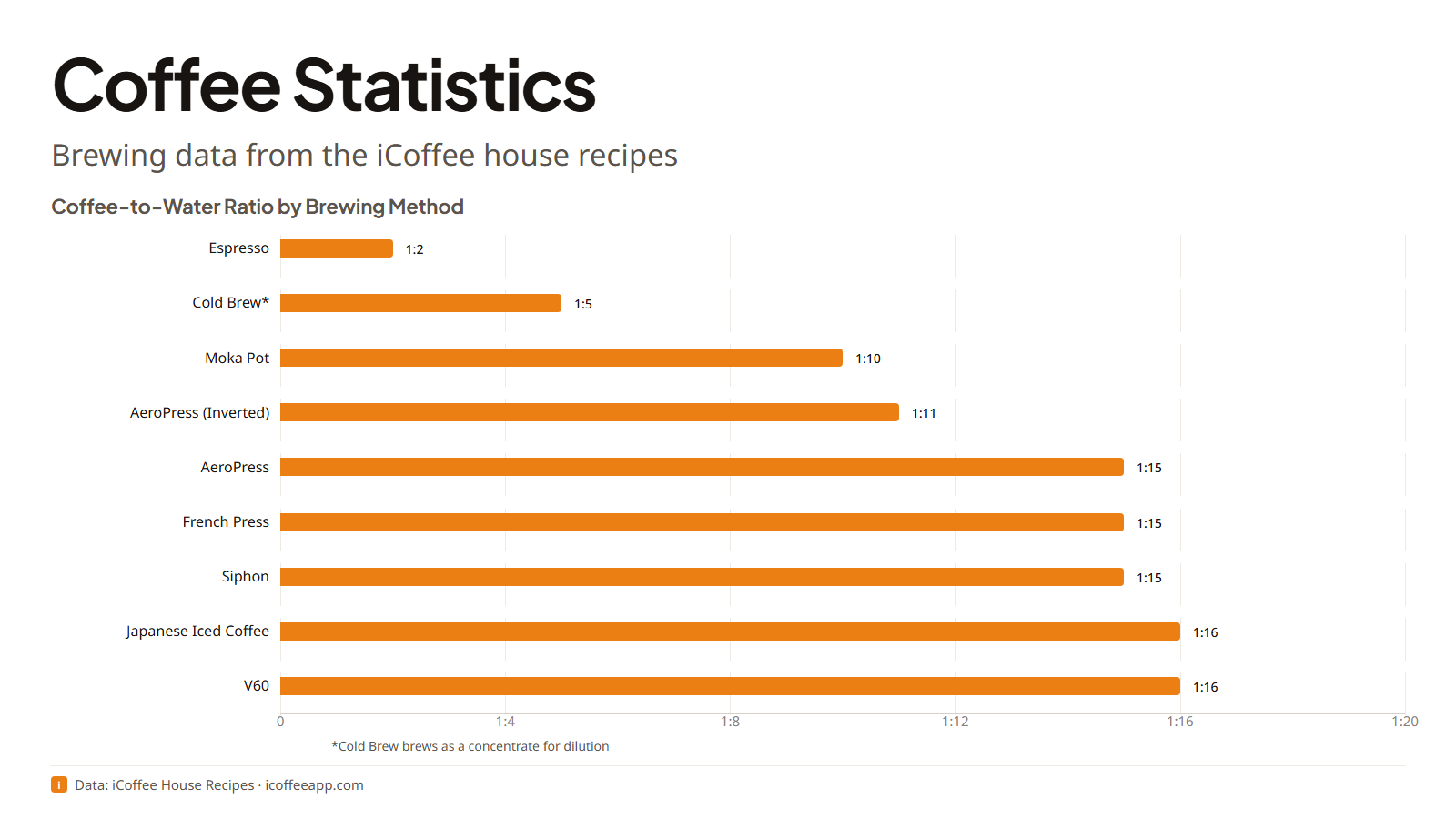
Coffee Statistics: Consumption, Brewing, and Market Data (2026)
Key coffee statistics on U.S. daily drinking, brewing methods, and global market. Sourced survey data plus iCoffee house-recipe ratio and temperature charts.
Read more
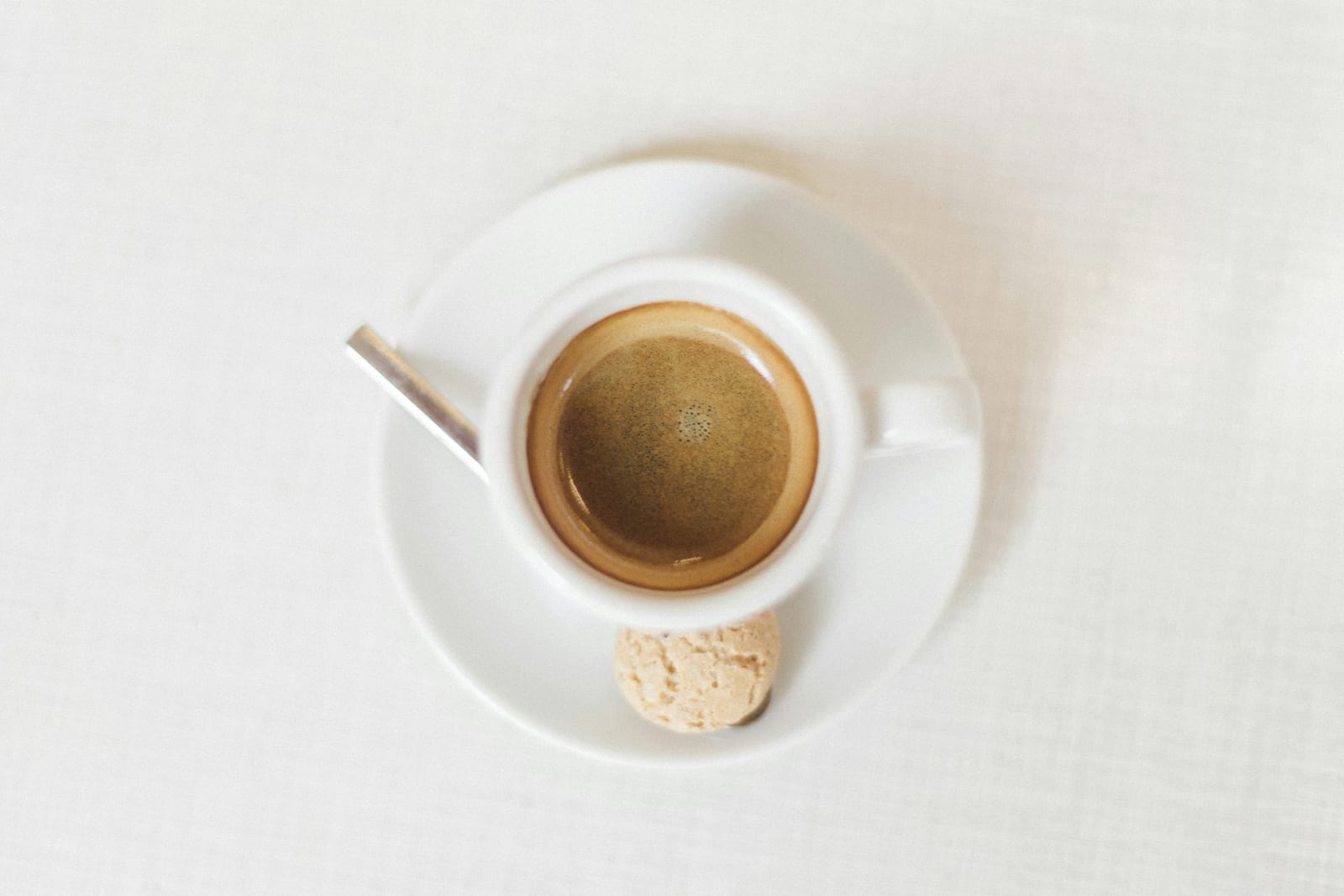
How to Make Espresso at Home: Recipe + Fixes
How to make espresso at home: the recipe, the four numbers that shape a shot, what to adjust first when one is off, and what to do without a machine.
Read more
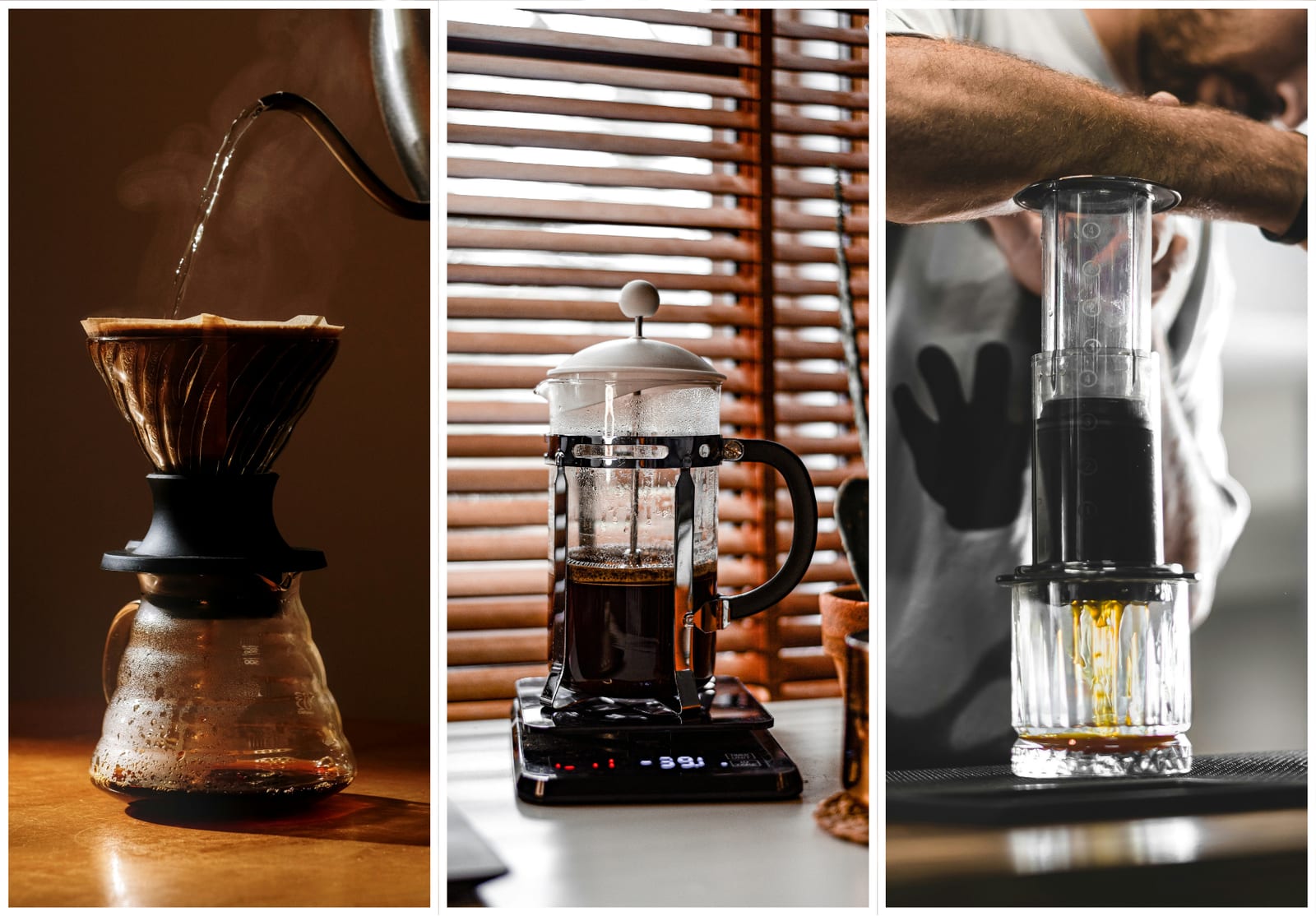
Pour over vs French press vs AeroPress
AeroPress vs French press vs pour over: which makes better coffee? Clarity, body, speed, and forgiveness compared, with an honest pick for each brewer.
Read more
Why Does My Coffee Taste Bitter? 7 Causes
Why does my coffee taste bitter? Here are the 7 real causes, from grind size to water quality, the exact fix for each, and how to diagnose your own cup.
Read more
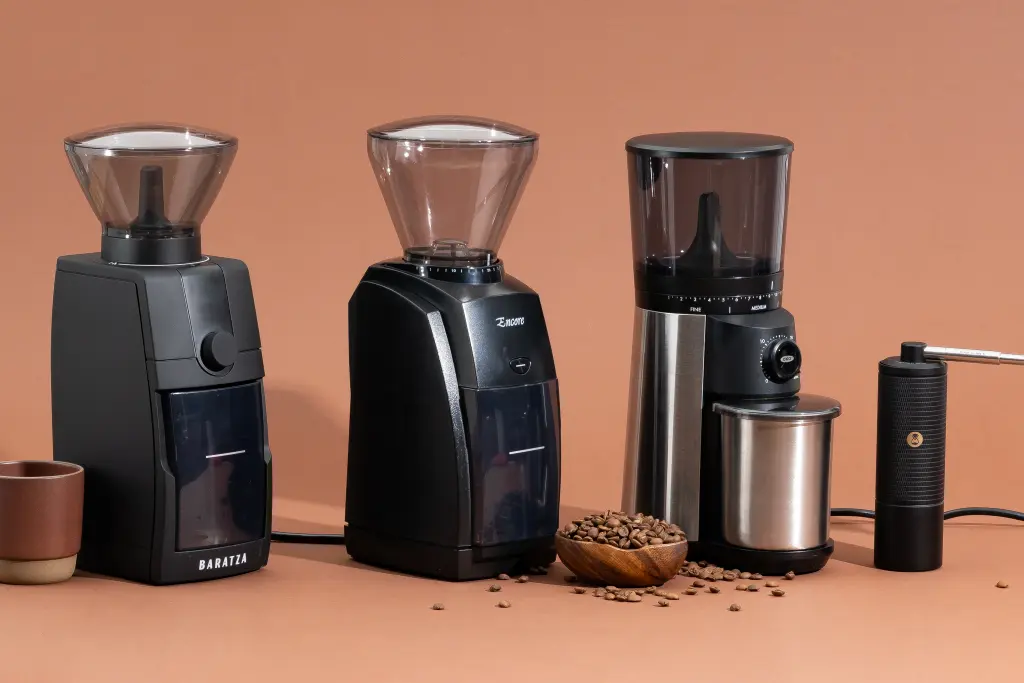
Is Your Grinder the Problem? How to Tell Before You Upgrade
Before you spend money on a new grinder or espresso machine, here's how to use your own brew data to confirm which one is actually your bottleneck.
Read more
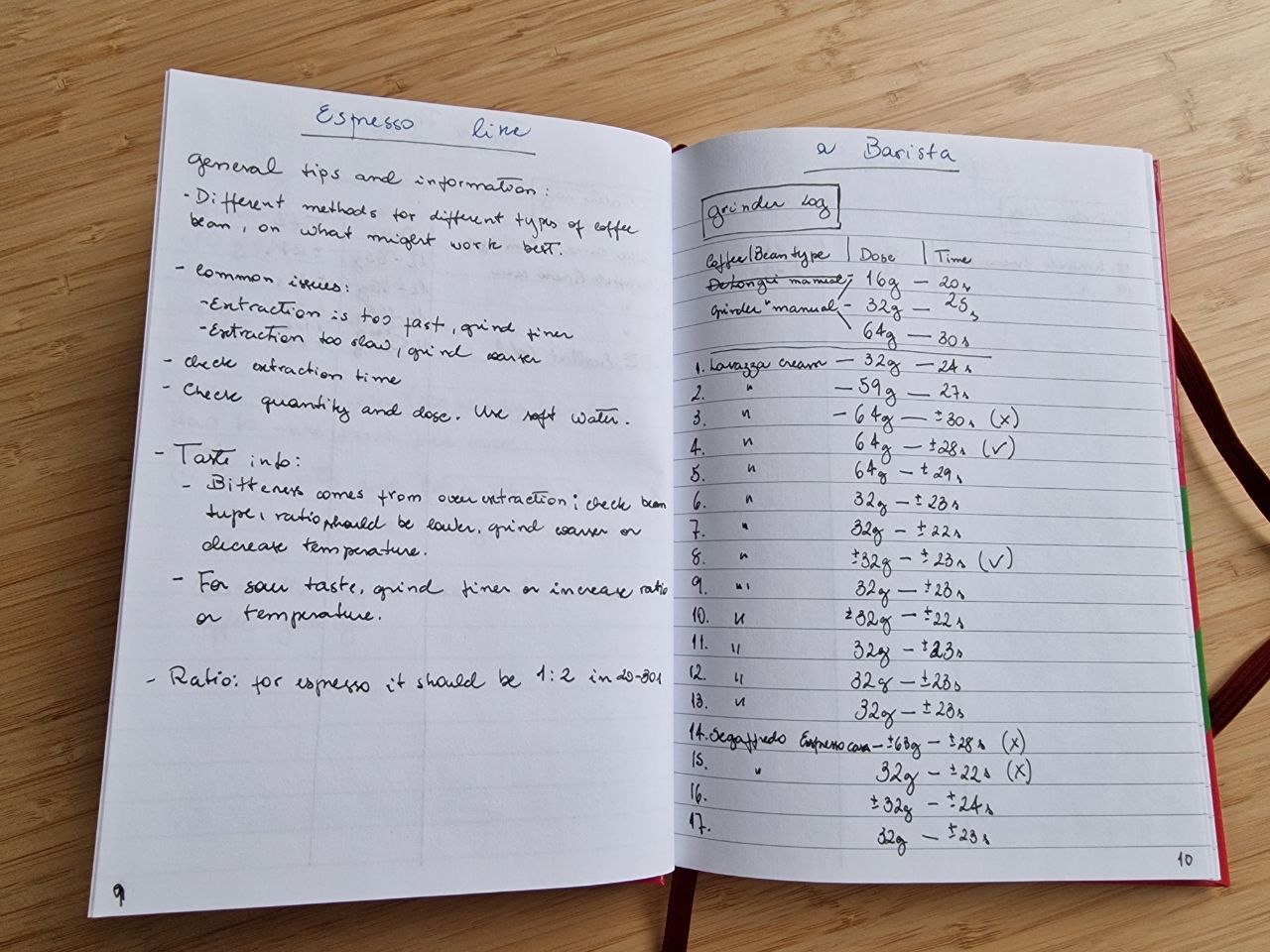
Consistently Good Espresso at Home: The Notebook That Started iCoffee
What 60 espresso pulls in a beginner's notebook taught me about the only variable that actually matters at home, and how that notebook became the iCoffee app.
Read more
Why your coffee tastes bitter, sour, or weak (and how to fix it)
Is your coffee weak, bitter, or sour? Learn to diagnose the cause and fix it at home, without buying new gear.