

What Is Coffee Extraction? The Science Behind Every Good and Bad Cup
What coffee extraction actually means, the chemistry behind bitter and sour cups, and the four variables that decide whether every brew tastes good or off.

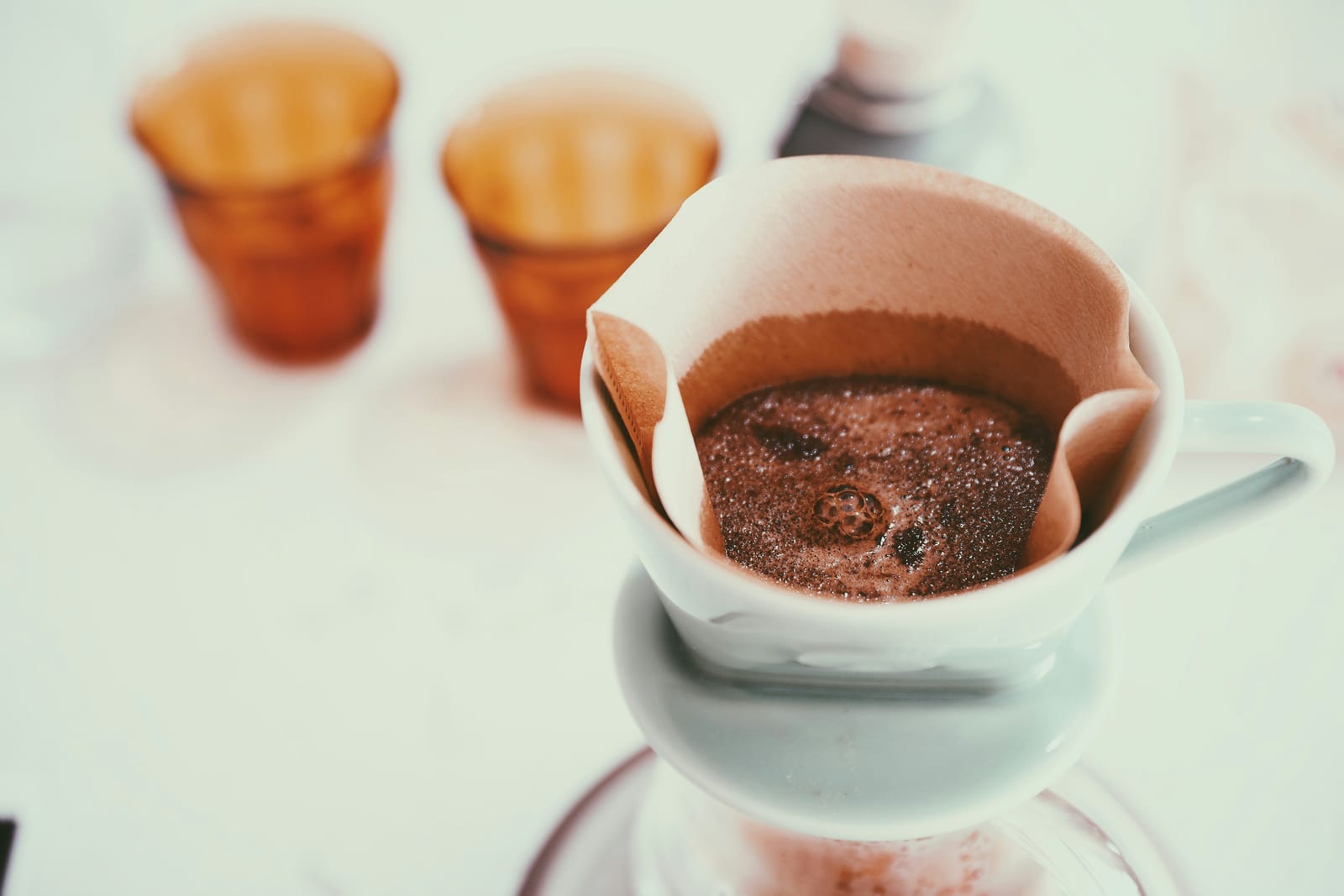
Coffee extraction is the chemistry of brewing: hot water dissolving compounds out of ground coffee beans into your cup. The Specialty Coffee Association's Gold Cup standard targets an 18 to 22 percent extraction yield for a balanced brew. Below that range the cup tastes sour and thin (under-extracted). Above it the cup tastes harsh and bitter (over-extracted). Compounds dissolve in a rough order, acids first, sugars second, the bitter and harsh compounds last, so where you stop in that sequence is what your taste buds are reading. Four variables control how far extraction goes: grind size, water temperature, brew time, and the coffee-to-water ratio. Move any one of them and you move extraction.
Two cups from the same bag of beans, brewed by the same person, can taste completely different. Same grinder, same kettle. The cup that tasted bright and sweet on Tuesday tastes flat and sour on Friday, then harsh and dry on Sunday. Something changed, and whatever changed, it moved one underlying thing: extraction.
So if you have ever asked what does coffee extraction mean, or what chemical makes coffee bitter, or just why the same beans keep producing different cups, this is the article that ties it together. Extraction is the chemistry of brewing, and once you see what it is doing, the variables you adjust to fix a cup stop feeling like a guessing game.
How coffee extraction actually works
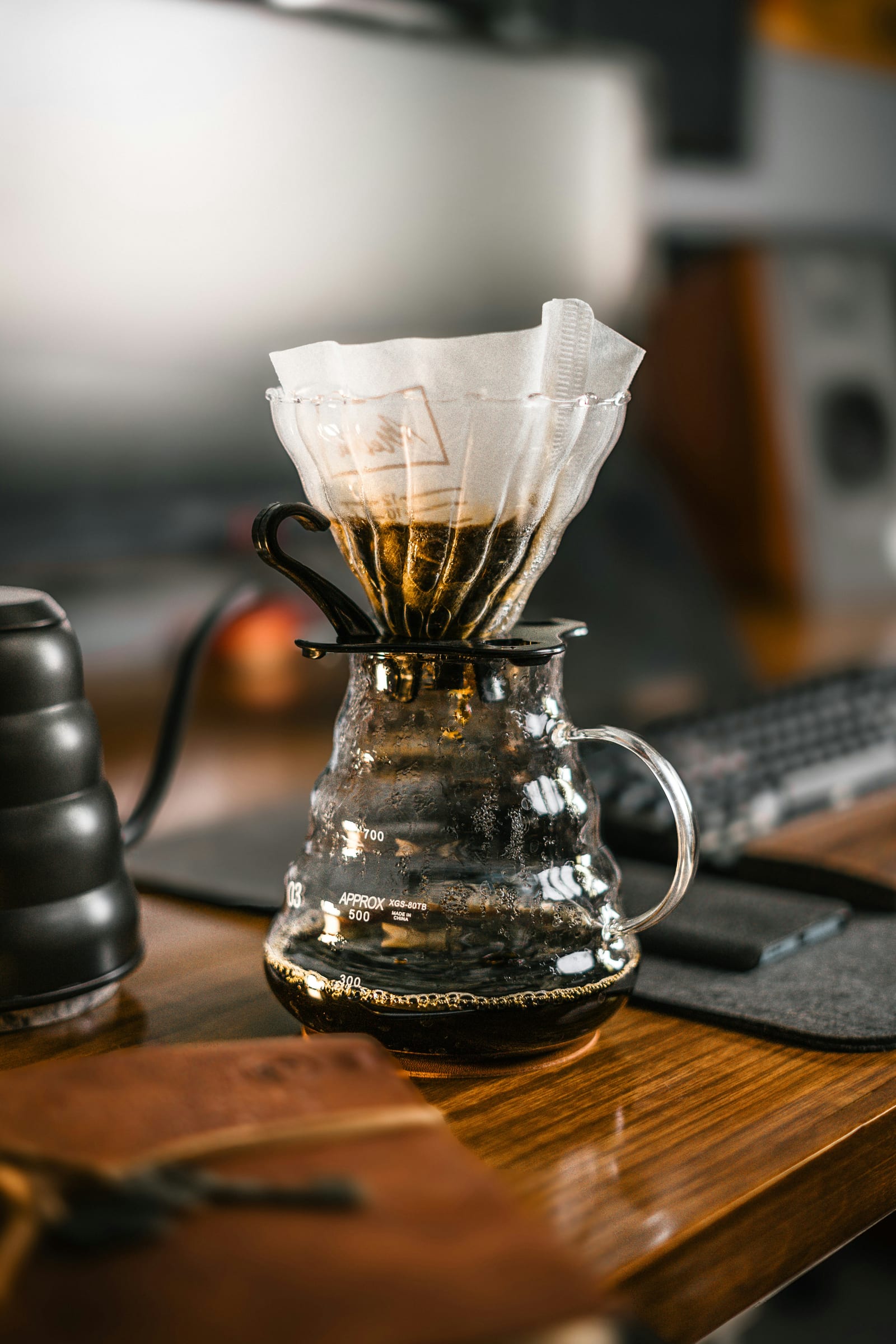
Coffee extraction is the process of hot water dissolving soluble compounds out of ground coffee beans. The grounds go in dry, the water passes through them (or sits with them), and what ends up in the cup is whatever the water managed to pull out: acids, sugars, fats, aromatic compounds, bitter compounds. That dissolved material is what you taste.
A roasted coffee bean is mostly insoluble. The bulk of its mass is cellulose and plant matter water cannot break down in the time you have to make a cup. Even an aggressive extraction only pulls a fraction of the bean into the brew; most of the mass stays in the spent grounds.
But you do not want to extract everything you could. The compounds in coffee dissolve in a rough order. Acids and bright, fruity notes come out first. Sugars, sweetness, and body follow. The harsher, more bitter compounds come out last. Stop too early and you get only the sharp, sour, thin front of that sequence. Push too far and you cross into the harsh, dry, bitter back end.
The specialty industry has a name for the window in the middle. The Specialty Coffee Association's Gold Cup standard defines a balanced extraction as drawing 18 to 22 percent of the coffee's soluble material into the cup. Below 18 percent, you are stuck in the sour, under-developed front. Above 22 percent, you are dragging out the bitter end. Inside that band, a well-roasted coffee tastes the way it is supposed to taste.
If you want to actually measure where your brew lands, the formula uses Total Dissolved Solids (TDS): extraction yield % = (brewed weight × TDS %) ÷ dose. A 36-gram espresso at 10 percent TDS from an 18-gram dose yields 20 percent: (36 × 10) ÷ 18 = 20. Hitting that number requires a refractometer; the four brewing controls below get you to roughly the same place without one.
Yield is one of two axes the SCA standard tracks. The other is brew strength, or TDS, with a target between 1.15 and 1.35 percent. The two are independent, and confusing them is the most common reader trap. A cup can be strong (high TDS) and under-extracted at the same time (tight ratio, short brew), or weak and over-extracted (loose ratio, long brew). When someone says coffee tastes "too strong," they may mean concentrated (a ratio problem) or harsh (an extraction problem). Different fix for each.
That window is why every brewing recipe you read, no matter the method, points at roughly the same handful of numbers. They are all aimed at landing extraction inside the band.
What is actually inside a coffee bean?
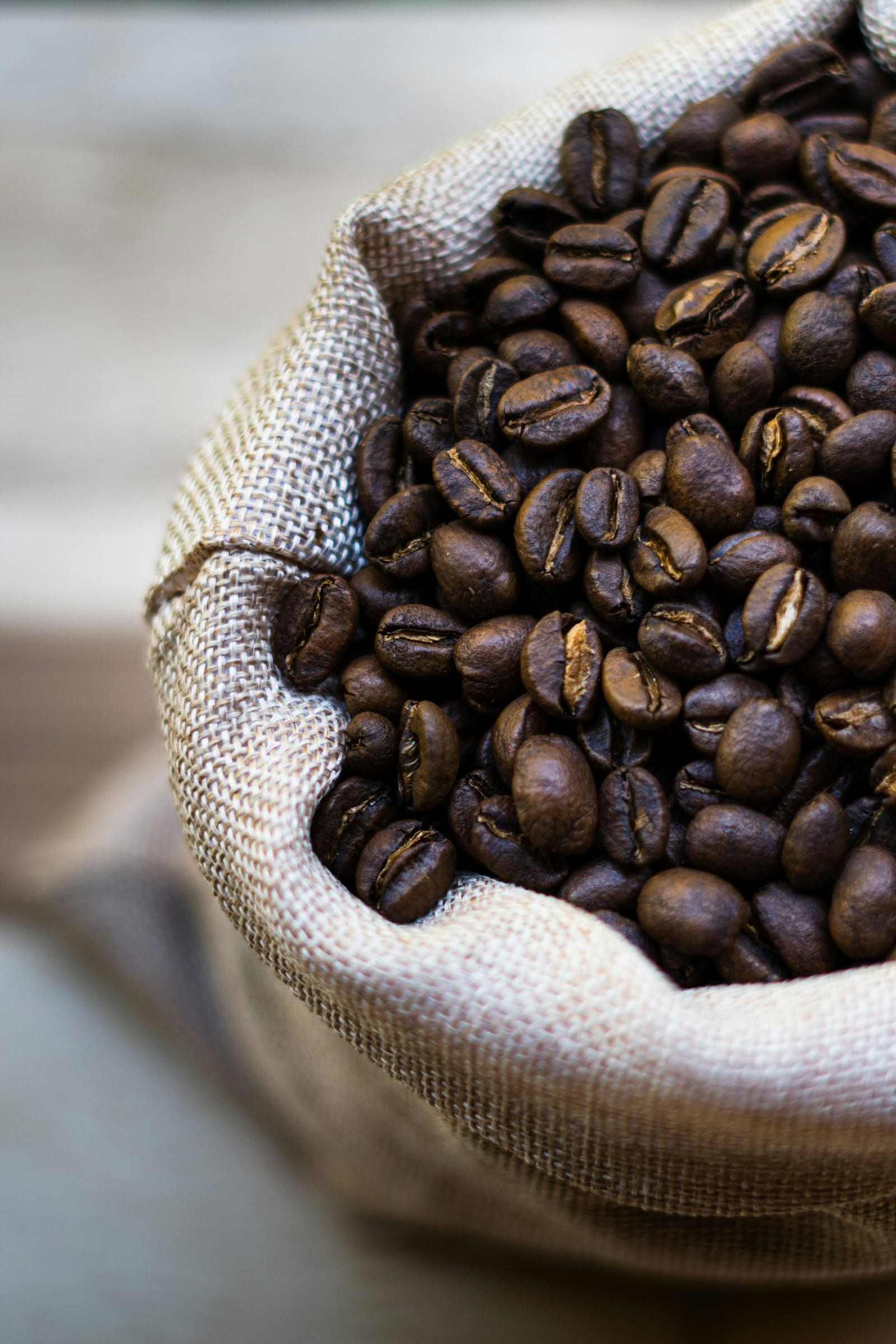
To understand why extraction does what it does, it helps to know what the water is dissolving. The chemicals in coffee each behave differently when hot water hits them, and the order they come out in matters.
The soluble compounds in coffee, in rough order of how easily they extract:
- Acids, the bright, fruity, citrusy notes. They dissolve early and quickly. A coffee that tastes only acidic, sharp and lemony with nothing underneath, is almost always under-extracted.
- Caffeine, highly water-soluble and pulls out early. Mildly bitter, but not the main source of bitter taste in your cup, as the next section gets into.
- Sugars and carbohydrates, the sweetness and body. They follow the acids out, and hitting them is what makes a coffee taste round and balanced.
- Lipids and oils, especially relevant in espresso and French press where paper does not filter them out. They carry mouthfeel and are part of why a French press feels heavier on the tongue than a paper-filtered pour-over.
- Melanoidins, the brown, roast-derived polymers built during roasting. They contribute body, color, and some perceived bitterness.
- Chlorogenic acid lactones and phenylindanes, the late-stage bitter compounds. These come out near the end and dominate the cup if you push too far, and they are the answer to what actually makes coffee bitter.
You do not have to remember the chemistry to brew well. You just have to remember the order. Water pulls these compounds out in roughly this sequence, so the question every brew comes down to is: where did you stop?
What chemical makes coffee bitter? It is not caffeine
Almost everyone, when asked what makes coffee bitter, names caffeine. It is the wrong answer.
Research by Thomas Hofmann, a professor of food chemistry at the Technical University of Munich, found that caffeine accounts for only about 15 percent of coffee's bitter taste, and that the dominant sources are two classes of compounds most people have never heard of: chlorogenic acid lactones, which dominate the bitter profile of light and medium roasts, and phenylindanes, which appear in higher amounts in dark roasts and carry a longer, harsher bitterness. As Hofmann summarized the finding, "the stronger you roast the coffee, the more harsh it tends to get" (LiveScience, on Hofmann's American Chemical Society presentation). Both compound classes are formed during roasting, not present in the green bean.
The phenylindanes are the breakdown products of chlorogenic acid lactones, formed when roasting continues past the point where the lactones are stable. The longer and darker a coffee is roasted, the more lactones convert into phenylindanes, and the more lingering, harsh bitterness ends up in the cup. This is why a dark espresso roast pulled exactly right can still taste more bitter than a perfectly extracted medium roast: the chemistry was already loaded before the brew. The fix for that kind of bitterness is sometimes simply a lighter roast.
Bitterness from extraction is something you can fix. Bitterness from roasting is something you have to choose around. Knowing which one is in your cup is the first useful diagnostic.
Which four variables actually control extraction?
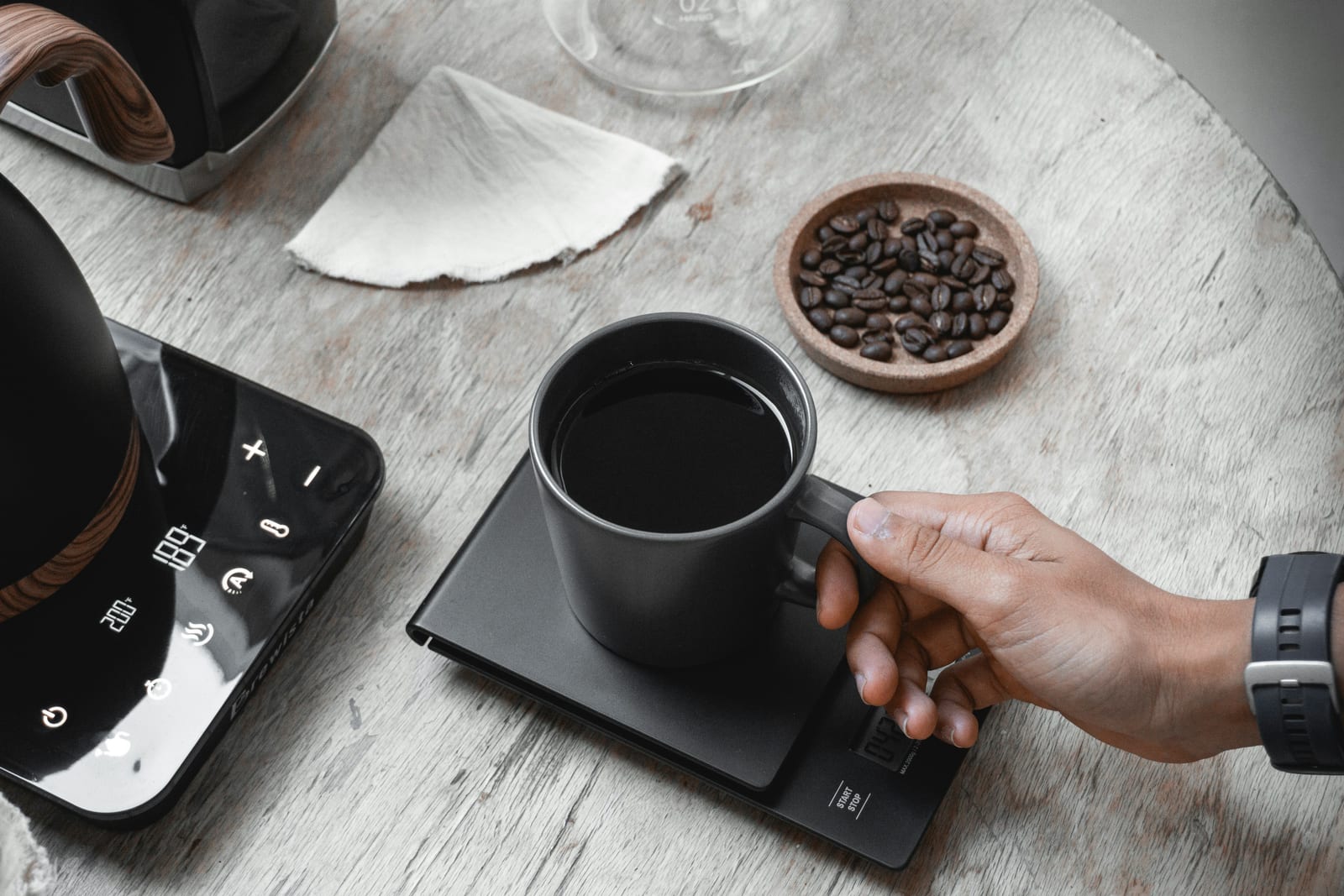
If extraction is the underlying thing, the variables you adjust in any brew are how you control it. There are four, and every brewing method (pour-over, French press, espresso, AeroPress, Moka) is built around the same four. Once you see them as one system, dialing in a new method stops feeling intimidating.
1. Grind size. A finer grind has more surface area per gram, so water extracts faster; coarser extracts slower. If your coffee is over-extracted (harsh and bitter), grinding coarser is usually the highest-impact fix. If under-extracted (sour and thin), finer is the answer. The variable with the most leverage; small changes move the cup noticeably.
2. Water temperature. Hotter water extracts faster and pulls more of everything, including the late-stage bitter compounds. The SCA's recommended range is 90°C (194°F) to 96°C (205°F). Below 90°C (194°F) you under-extract; above 96°C (205°F) you scorch the grounds and push harsh compounds in before the good ones balance them.
3. Brew time, or contact time. The longer water sits with the grounds, the more it dissolves. The SCA's healthy contact-time window is 4 to 8 minutes across most methods, with each method clustering at a specific point (French press at 4 minutes; pour-over typically 2:30 to 3:30 total). Too short and you miss the sugars; too long and you push into the bitter back end.
4. Coffee-to-water ratio. How concentrated the brew is. Standard starting point is 1:16, one gram of coffee for every 16 grams of water. Use much less water and the water saturates quickly, dragging extraction into harsh territory. Use much more and you over-extract by volume. The ratio interacts most with the other three, so once you fix it, the rest become easier to tune against.
Coffee author Scott Rao makes the broader point cleanly in his blog on grinders and yield. Rao qualifies that the absolute highest extraction is not always best for a given recipe, but his core finding holds: "Higher extractions are almost always better." Within the SCA band, brews that land near 22 percent generally taste sweeter, fuller, and more complete than brews that land at 18 percent. The four variables exist to push you toward the upper edge of the window without crossing into the bitter back end.
A fifth lever is worth knowing about: agitation. Stirring, swirling, pour pattern, and pre-infusion turbulence affect how evenly water saturates the grounds. Agitation does not directly move yield up or down; it makes extraction more uniform across the bed, which lets the four primary variables hit their targets cleanly. James Hoffmann puts the goal of that prep simply: "when the water flows through it, it flows through as evenly as possible". His V60 swirl, Rao's spin, and AeroPress stirring all exist for this reason. The failure mode to watch for: a cup that tastes both sour and bitter at the same time, sour at the front and bitter at the back. That is uneven extraction, often caused by a wide grind distribution (fines that over-extract and boulders that under-extract in the same brew). If your cups consistently land in that zone, see our guide on how to tell if your grinder is causing uneven extraction.
Over-extracted, under-extracted, or balanced: how do you tell?
A balanced extraction is the one in the middle. The easiest way to identify either failure mode is by what is missing.
Under-extracted coffee tastes sour, thin, and one-dimensional. The acidity is there but nothing rounds it out, no sweetness, no body, just a sharp edge that disappears after the first sip. It is the front of the extraction sequence without the middle. Common causes: grind too coarse, water too cool, brew too short, ratio too weak.
Over-extracted coffee tastes harsh, dry, and lingering. The bitterness sticks to the back of the tongue long after you have swallowed. The cup may feel heavy but in a stewed, astringent way. It is the front and middle of the sequence overrun by the back end. Common causes: grind too fine, water too hot, brew too long, ratio too strong, or any combination.
Balanced coffee tastes sweet, layered, and clean. The acidity is folded into sweetness and body. The cup finishes without that drying, lingering bitterness. You drink it and want the next sip.
Worth flagging: most home brewers under-extract more often than they over-extract. Home grinders often cannot grind fine enough to hit the upper edge of the SCA window, and home brew times tend to run short. If you cannot decide which failure mode your cup is doing, suspect under-extraction first.
For deeper diagnosis of bitter cups, see our companion guide on why coffee tastes bitter and how to fix each cause. For the broader version that also covers sour and weak cups, why coffee tastes bitter, sour, or weak is the diagnostic. This article is the chemistry; those are the diagnostics.
How does each variable affect extraction?
The four variables and what each one does to extraction, in one place:
| Variable | To extract more (push toward 22%) | To extract less (push toward 18%) | What "too much" tastes like |
|---|---|---|---|
| Grind size | Grind finer | Grind coarser | Harsh, drying, bitter |
| Water temperature | Use water near 96°C (205°F) | Use water near 90°C (194°F) | Scorched, aggressively bitter |
| Brew time | Lengthen contact time | Shorten contact time | Heavy, stewed, dry |
| Coffee-to-water ratio | Use more water per gram | Use less water per gram | Concentrated and bitter |
Change only one variable at a time. If you change two and the cup improves, you have learned nothing about which one did it. One change, one taste, one note in your log.
Frequently asked questions about coffee extraction
What does coffee extraction mean in plain English?
Coffee extraction is what hot water does to coffee grounds when you brew. It dissolves the soluble compounds inside the grounds, the acids, sugars, oils, and bitter compounds, and carries them into the cup. The extraction yield, expressed as a percentage, is how much of the grounds' soluble mass ended up in the brew.
What is a "good" extraction percentage?
The SCA's Gold Cup standard targets 18 to 22 percent extraction yield for a balanced cup. Below 18 percent, coffee tastes sour and thin; above 22 percent, harsh and bitter. Inside that window, well-roasted beans taste the way they were meant to. Most home brewers do not measure the exact yield; the four variables get you there in practice.
Why does my coffee taste bitter even with a fresh, expensive bag?
Often it is the brew, not the bag. Even excellent beans taste bitter if the grind is too fine, the water is too hot, the brew runs too long, or the ratio is too strong. Diagnose the brew first, if the same beans still taste harsh after you have dialed those in, the roast itself may be carrying more of the bitter compounds discussed above.
Does caffeine make coffee bitter?
Only a small amount. Research by Thomas Hofmann's lab found caffeine accounts for roughly 15 percent of coffee's perceived bitterness. The dominant sources are chlorogenic acid lactones and, in darker roasts, phenylindanes, both formed during roasting. Decaf coffee can still taste bitter, which is the clean proof that caffeine is not the main culprit.
Can I push extraction past 22 percent on purpose?
Yes, with specific techniques. A paper filter on top of the espresso puck reduces channeling and lets coffee extract past 23 percent. Turbo shots use coarser grind and faster flow for the same effect. These need skill and specific equipment. For a typical home setup, 18 to 22 percent stays the target; pushing past adds bitterness faster than anything good.
Coffee extraction: key takeaways
- Brewing is extraction. Every variable you adjust, grind, water, time, ratio, controls the same underlying chemistry: which compounds dissolve, in what order, before you stop.
- The target is 18 to 22 percent. Below it the cup tastes sour; above it, harsh. The SCA window is not arbitrary; it reflects the order coffee's compounds dissolve in.
- Caffeine is not the main bitter compound. Chlorogenic acid lactones and phenylindanes are, both formed during roasting and not present in green beans. Bitter coffee is a roasting and brewing problem, not a caffeine problem.
- Bitterness from extraction is fixable. Bitterness from roast is not. Diagnose which one is in your cup before changing your method.
- Change one variable at a time. Two changes plus one improvement equals no learning. One change, one taste, one note. That is how dialing in works.
How to use this in your next brew
Before the systems thinking, the quick-and-dirty diagnostic. If a cup tastes off, this is the first move:
- Sour and thin → grind finer first. Then, if no improvement, raise water temperature.
- Harsh and dry → grind coarser first. Then shorten brew time if needed.
- Both at once, sour up front and bitter at the back → suspect grind distribution; your grinder is producing both fines and boulders.
- Flat or weak, no particular fault → check water temperature; you may be brewing below 90°C (194°F).
That is the fastest first-pass. The companion guides linked above go deeper on each.
Staying unstuck is harder: extraction is four variables interacting, and last Tuesday's good cup is useless if you cannot remember whether the grind was one step finer or the water was hotter. You land inside the SCA window once, then the settings drift, and the chemistry lesson evaporates.
You do not need a lab for every brew, you need enough of a record that the next sour or harsh cup points at a variable, not a feeling. If holding the last twenty brews in your head is where you keep dropping the thread, that is why we built iCoffee. It keeps what you changed next to how the cup tasted, so under-extraction and over-extraction stop being labels and start being patterns you can act on. For the longer version of that habit on a beginner setup, see consistently good espresso at home.
The four variables are not the mystery. Keeping them visible is. Do that, and the cup follows the chemistry.
About the author
Taissa Conde
Co-founder of iCoffee
Make your next cup count.
iCoffee is the app that helps you brew better coffee at home, every day.
Get the appdownloadKeep reading
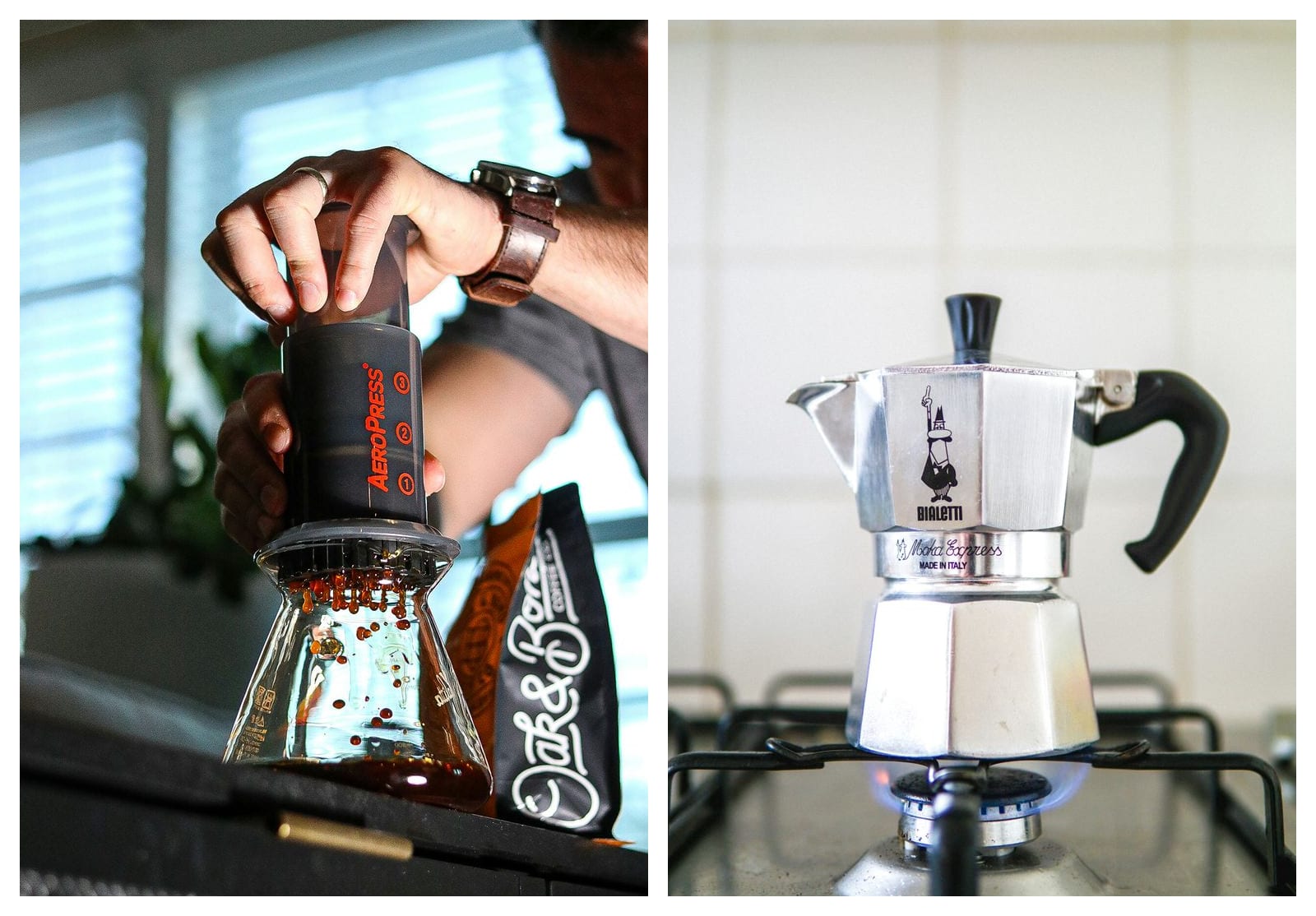
AeroPress vs Moka Pot: Which One Should You Buy?
Two compact brewers, two very different cups. What separates the AeroPress and the Moka Pot on flavor, effort, cost, and who each one is actually built for.

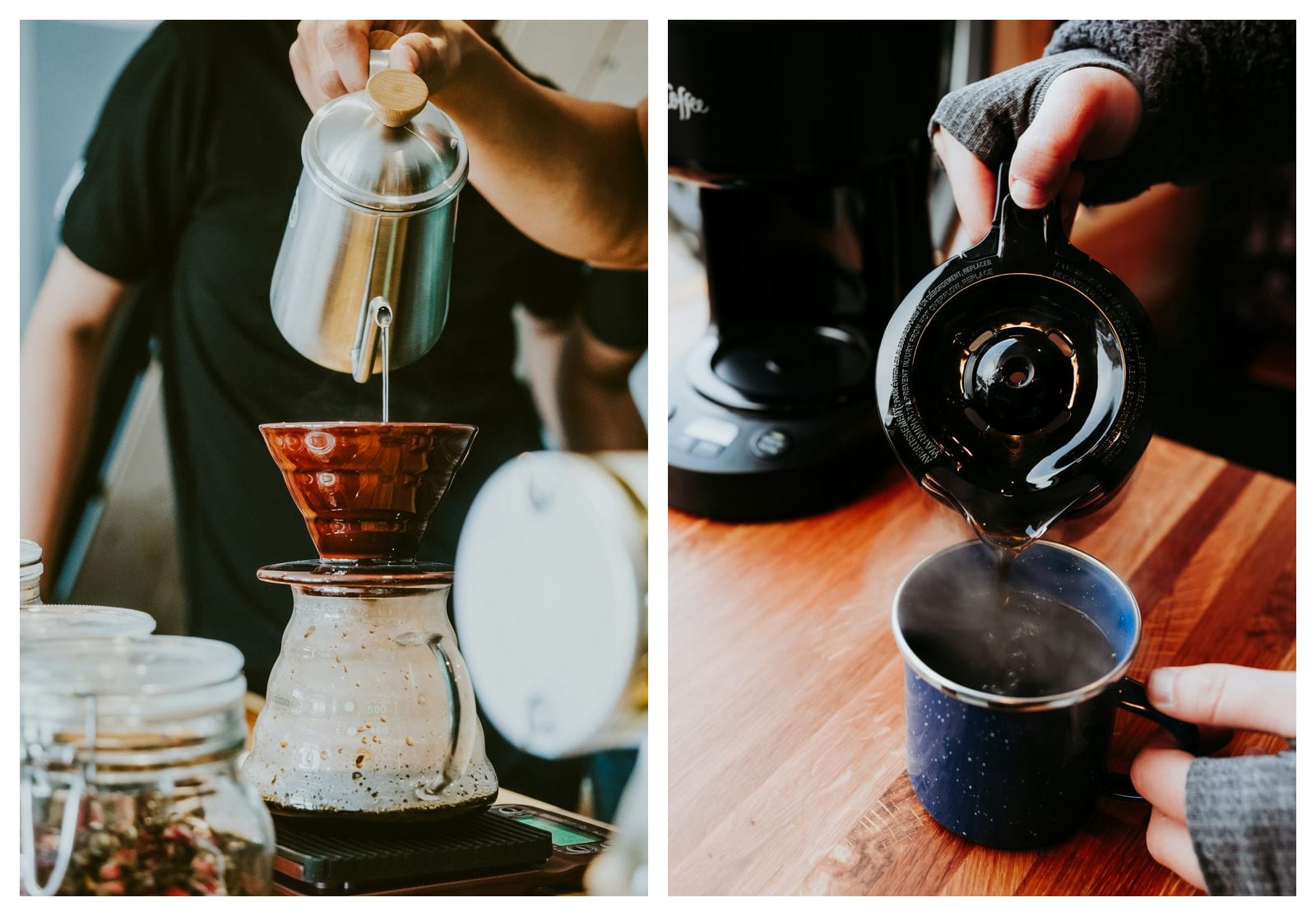
Pour Over vs Drip Coffee: Is the Upgrade Worth It?
A pour over gives you the temperature, the pour and the grind to adjust. A drip machine gives you a button. Which one suits you, on flavor, effort and cost.
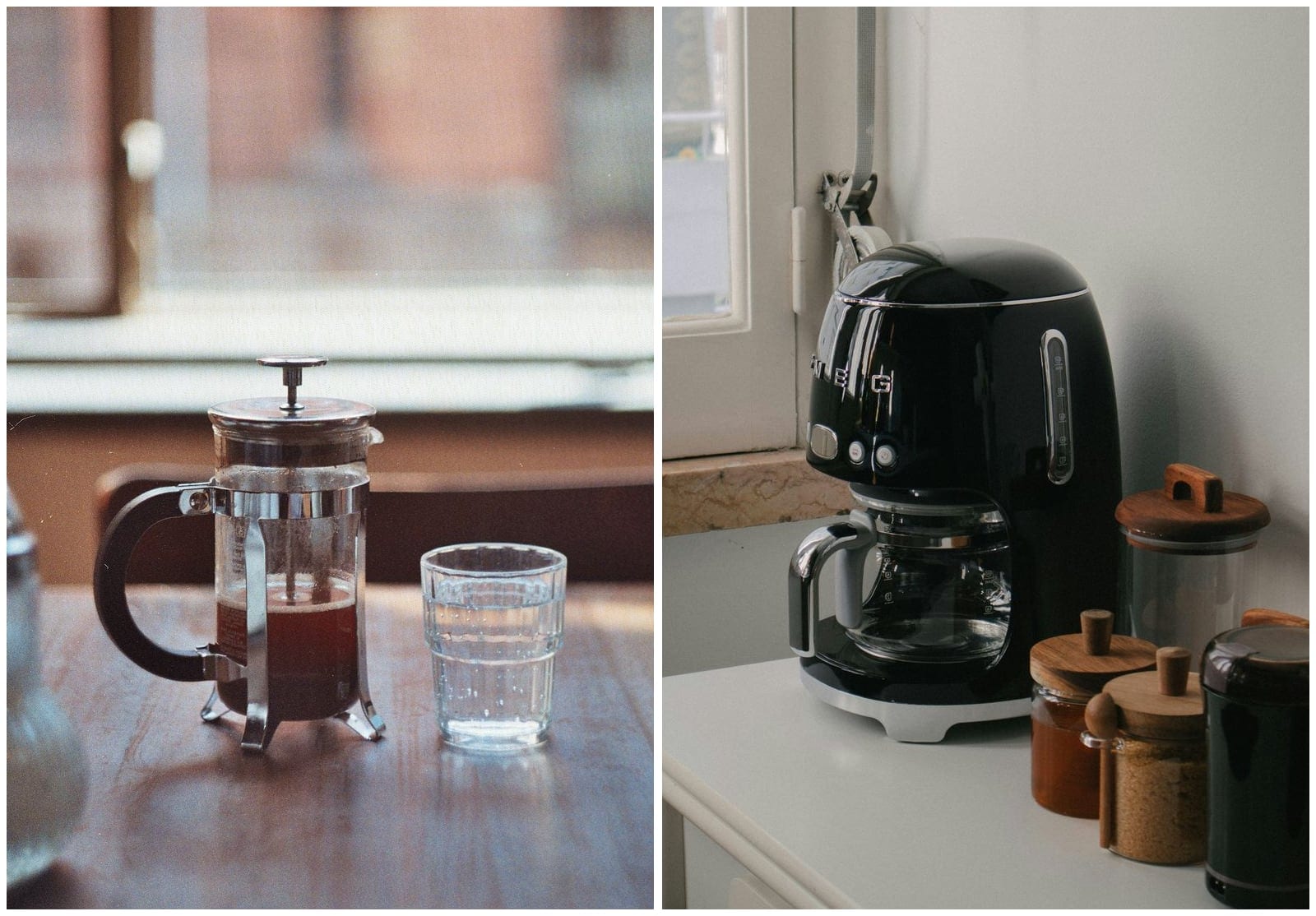
French Press vs Drip Coffee: Which One Should You Use?
Drip machine or French press: the cup, the effort, the cost and the honest trade-offs compared, plus a clear recommendation for each kind of home brewer.
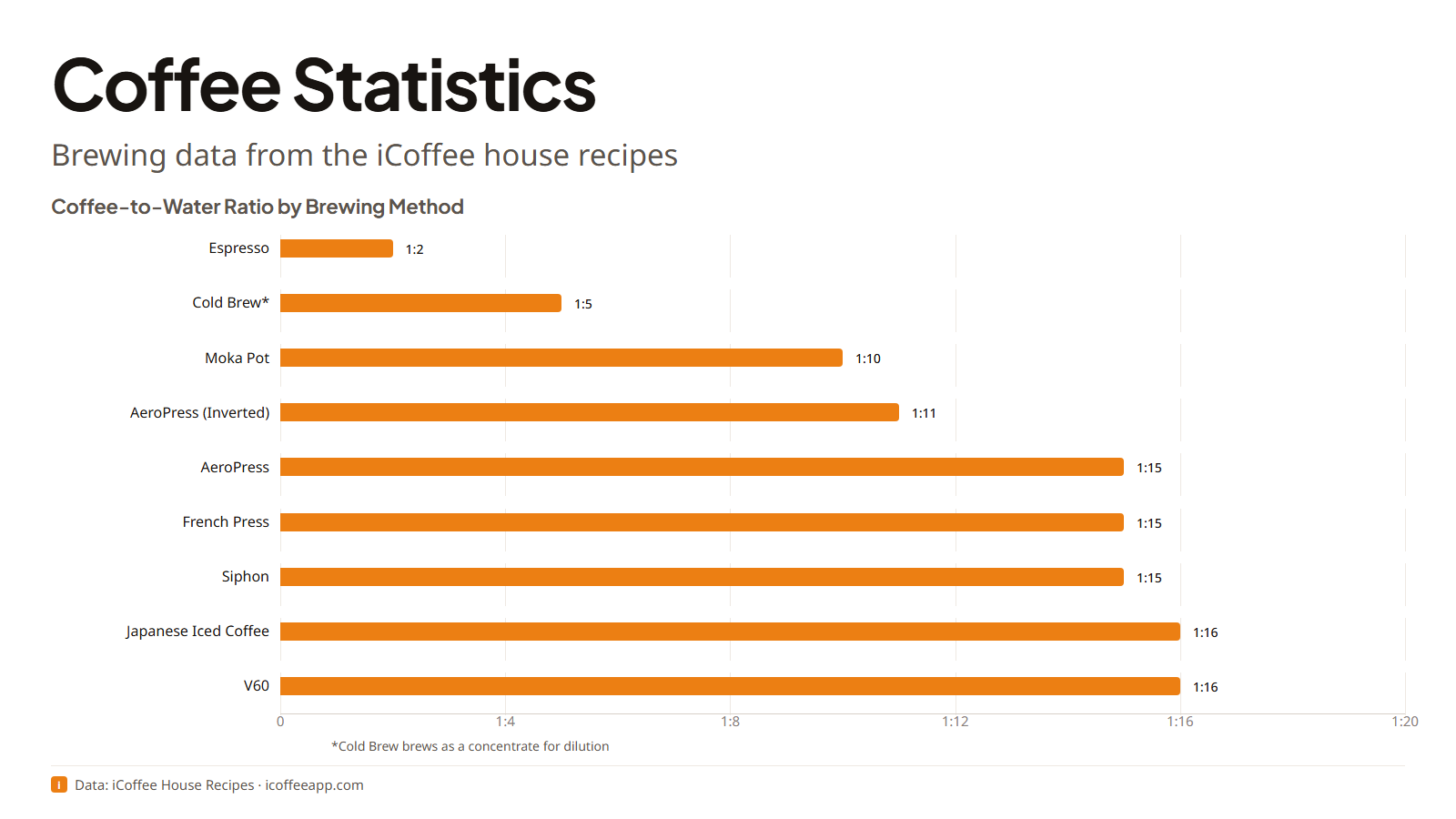
Coffee Statistics: Consumption, Brewing, and Market Data (2026)
Key coffee statistics on U.S. daily drinking, brewing methods, and global market. Sourced survey data plus iCoffee house-recipe ratio and temperature charts.