

Why your coffee tastes bitter, sour, or weak (and how to fix it)
Is your coffee weak, bitter, or sour? Learn to diagnose the cause and fix it at home, without buying new gear.

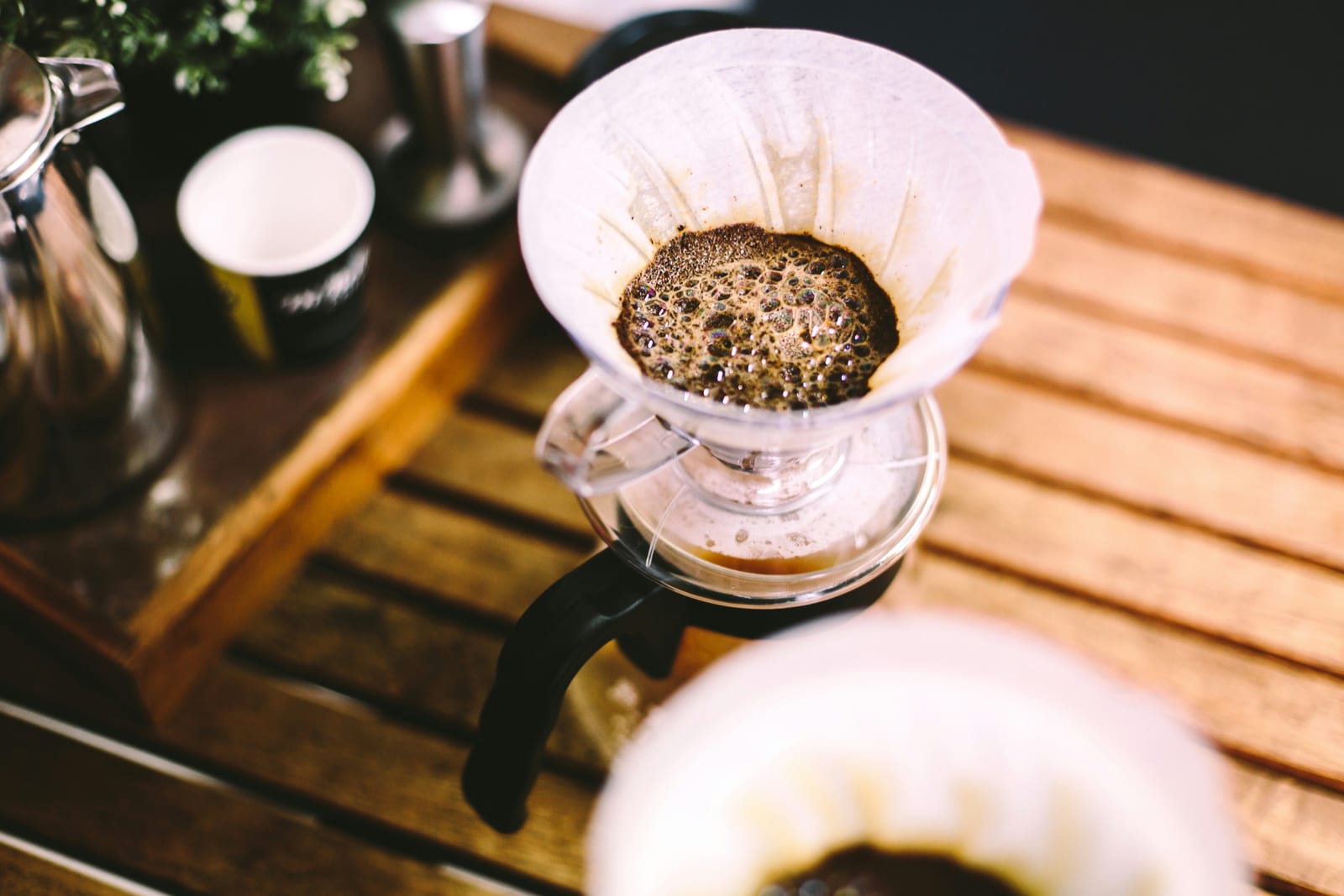
Most home brewers fix the wrong thing first. The right diagnostic starts with what you actually taste. · Photo by Di Bella Coffee on Unsplash
Bad coffee is almost always one of three problems. Bitter means you over-extracted: try a coarser grind, slightly cooler water (around 92°C (198°F)), or a shorter brew. Sour means you under-extracted: try a finer grind, hotter water (95°C (203°F) to 96°C (205°F)), or a longer brew. Weak is usually a ratio problem, not a brewing problem: use more coffee, around 1g (0.04oz) of coffee per 16g (0.56oz) of water as a starting point. And if your beans are more than a month past roast date, none of this will save you. Change one variable at a time, taste, decide. That's the whole game.
You made a cup. It tastes wrong. You're staring at it wondering whether to drink it anyway.
I've been there more times than I want to count. Most of those times I made the same mistake, which is panicking and changing three things at once for the next brew, ending up with a different kind of bad cup, and learning nothing.
This is the article I wish someone had handed me. It walks you through the three things bad coffee can taste like, what each one tells you about what went wrong, and the one or two adjustments most likely to fix it. No new equipment required.
First, taste it again. What flavor are you actually getting?
People throw "bitter" around as a generic word for "I don't like this coffee," but bitter is one specific thing, and it's not the same as sour or weak. Telling them apart is the whole diagnostic.
Bitter sits at the back of your tongue. It feels dry, almost drying, like the coffee is pulling moisture out of your mouth. A burnt or harsh edge that lingers after you swallow. Espro's coffee guide describes it as a "generally dry and displeasing taste toward the back of the palette" (Espro, "Bitter Coffee 101").
Sour is sharp and lives on the sides of your tongue. It makes you wince a little, the way a slice of lemon does. Not the bright, lively acidity of a good Ethiopian (that's pleasant). The unpleasant kind of sour is closer to vinegar than fruit.
Weak is the absence of both. Watery. The flavor is there, technically, but everything about it is muted. You can taste that it's coffee but nothing in it is interesting.
Most home brewers I know describe everything bad as "bitter" by default. James Hoffmann calls this "bitter-sour confusion": "a lot of people, especially when tasting sour coffee, will describe it as bitter" (Hoffmann, "A Beginner's Guide to Coffee Tasting"). Take the extra ten seconds to figure out which one you actually have, because the fix for each is different and sometimes opposite.
If your coffee is bitter
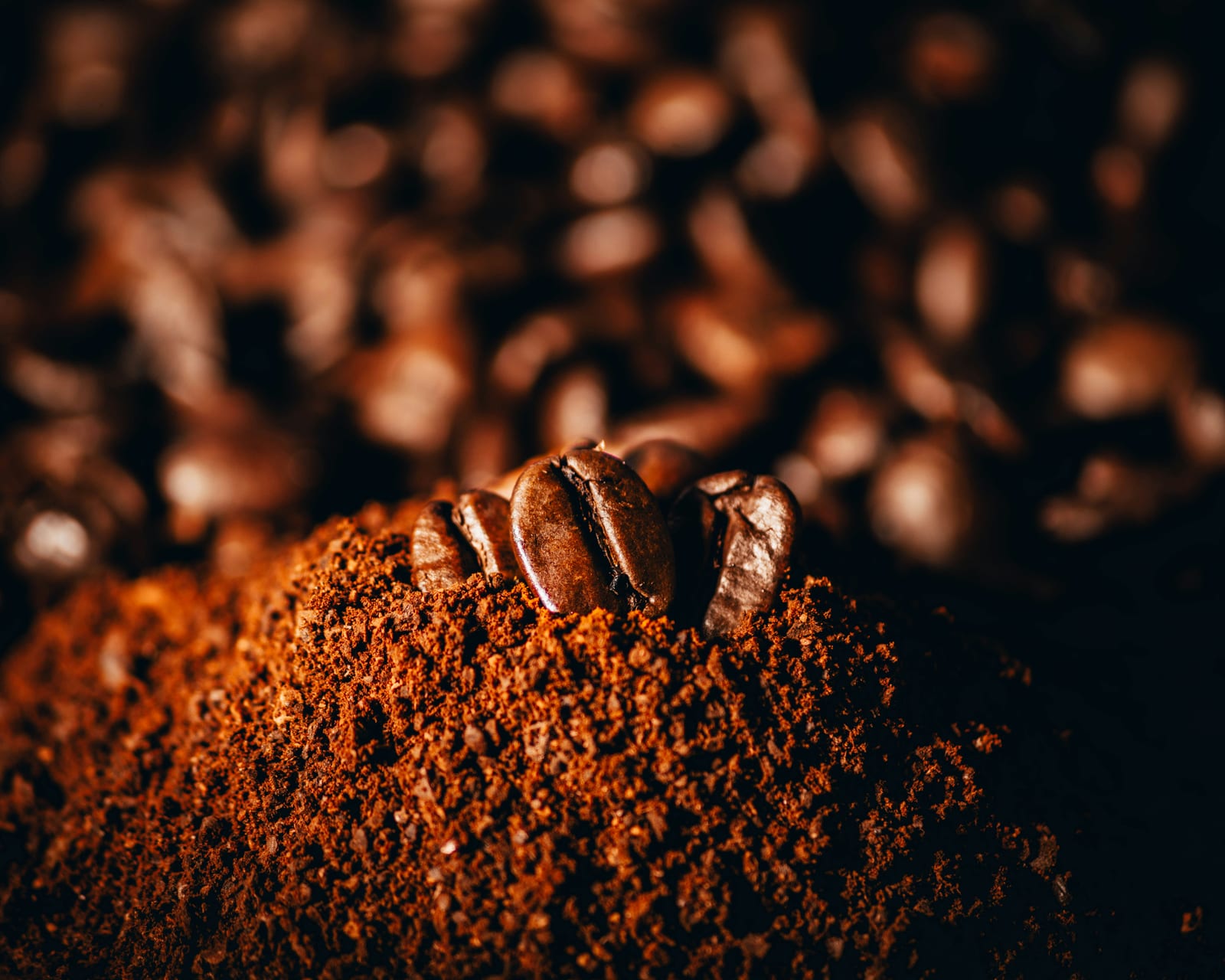
Bitter coffee is over-extracted coffee. Water spent too long pulling stuff out of the grounds, and it pulled too much, including the harsh compounds that come out last. For the full chemistry of what extraction is and why those compounds come out in that order, see what coffee extraction actually is.
Three causes, in order of how often they're the culprit:
Your grind is too fine. Smaller particles have more surface area, water gets at the inside of every grain faster, extraction happens too aggressively. If you're using a pour over and the water seems to drain forever, this is probably your problem.
What to try: nudge your grinder one or two settings coarser. Just one notch. Not five.
Your water is too hot. Boiling water (100°C (212°F)) over-extracts almost everything, especially with darker roasts. The Specialty Coffee Association recommends a brewing temperature between 90.5°C (195°F) and 96.1°C (205°F), which is well below boiling (SCA-310 Home Coffee Brewers Standard).
What to try: after your kettle boils, let it sit off the heat for 30 to 45 seconds before pouring. That's roughly enough to drop from 100°C (212°F) to about 92°C (198°F). If you have a temperature-controlled kettle, set it to 93°C (199°F) and stop guessing.
Your brew time is too long. This usually means your grind and brew device are mismatched (too fine a grind chokes the filter, water sits there too long).
What to try: if your pour over takes more than four minutes, grind coarser. If your French press sat for ten minutes because you forgot about it, that's the problem and the coffee is unsalvageable. Set a timer next time. James Hoffmann, in his pour over technique, lands consistently around three to three-and-a-half minutes for a single cup (Hoffmann, "The Ultimate V60 Technique").
One thing at a time. Try the grind change first because it's the highest-impact lever. Brew again. Taste. Then decide if you need to also adjust temperature.
If your coffee is sour
Sour coffee is under-extracted. Water didn't have enough time, or wasn't hot enough, or didn't have enough surface area to work with. So it pulled out the bright, acidic compounds that come out first and never got to the rest.
The fixes are the mirror image of the bitter fixes:
Your grind is too coarse. Water flowed through too easily and didn't have enough contact with the grounds.
What to try: one or two settings finer. Same logic as before, small steps.
Your water is too cool. Common with electric kettles that have been sitting too long, or people who let water cool "to be safe" with a delicate light roast.
What to try: pour soon after the boil, around 94°C (201°F) to 96°C (205°F). Light roasts in particular need the higher end of that range to extract properly. Erik Bassett, who runs the home-roasting site The Bolder Brew, puts it directly: when light-roasted beans taste sour, grind finer and push the water hotter, at least 95°C (203°F) (Bassett, The Bolder Brew).
Your brew time is too short. Pour over running through in 90 seconds, French press pressed at two minutes, AeroPress rushed in under a minute. Water didn't get enough time.
What to try: grind finer (which slows the flow naturally) before you start adding pour time. Forcing a longer brew with the same coarse grind tends to produce uneven results.
If you're brewing a light roast and getting sour cups consistently, the bean wants more from you than your current setup is giving. Hotter, finer, longer. All three nudged in the right direction.
If your coffee is weak
Weak coffee is a different beast. It's not really an extraction problem most of the time, it's a quantity problem. Three causes, most common to rarest:
You're not using enough coffee. It's the most common cause by a mile. The Specialty Coffee Association's recommendation, and the one most third-wave roasters echo, is a coffee-to-water ratio between 1:15 and 1:18 by weight. So if you're using 300g (10.58oz) of water (roughly a large mug's worth), you want about 17g (0.6oz) to 20g (0.71oz) of coffee.
Most home brewers eyeball this and come in at 1:20 or weaker without realizing it. The "two tablespoons per cup" advice from old American drip machines doesn't translate to specialty coffee or modern brewers. Get a $15 kitchen scale. It's the single piece of gear that changes the most for the least money.
Channeling. If you're already at a 1:16 ratio and your coffee is still weak, this is the next suspect: water finding the path of least resistance through the coffee bed and skipping past most of the grounds. You'll see this in pour overs where water pools on one side, or French presses where the coffee bed cracks. Fixes: stir gently after the bloom (pour over), pre-wet the filter to keep grounds in place, pour in concentric circles instead of one spot.
Your grind is too coarse for the brew time you're using. Water passed through fast, didn't extract enough, your cup is thin. The fix is the same as for sour: grind finer.
Why your coffee tastes bad even when you're brewing right
You can do all of the above perfectly and still get bad coffee, because there are three upstream variables that override everything downstream. If you're consistently getting bad cups despite trying every fix in this article, look here.
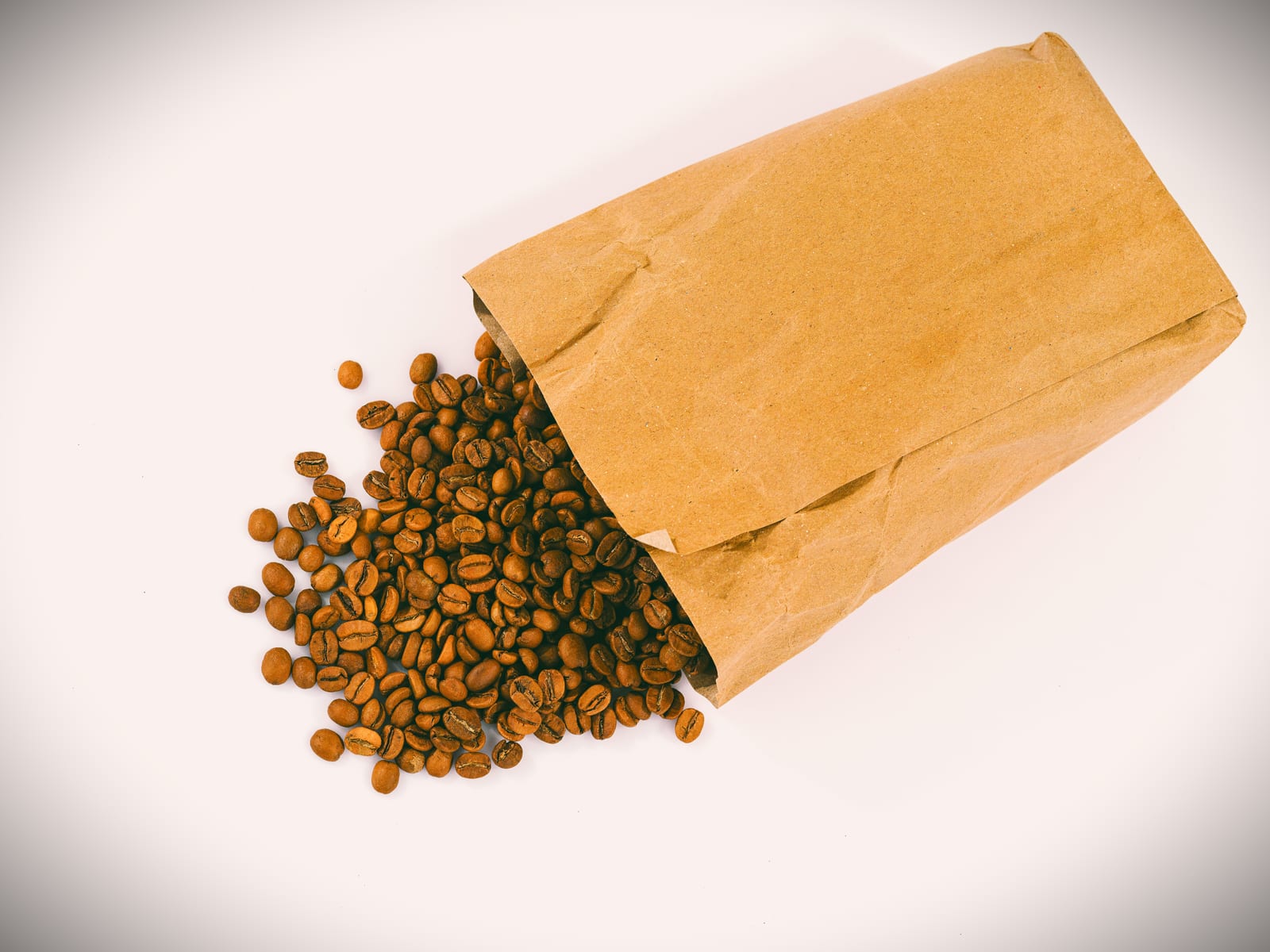
Your beans are old. Coffee is a fresh product. After roasting, beans need a few days to degas, then peak between roughly day 7 and day 21, then start losing flavor. After 30 days post-roast, you're drinking a muted version of what the coffee was. After 90 days, you're drinking something else entirely. Bean & Bean Coffee Roasters, who track their nano-batch roast dates carefully, peg the prime window at roughly 1 to 2 weeks for most blends (Bean & Bean).
If your bag has only a "best by" date and no roast date, the roaster either doesn't track it or doesn't want you to know. Both are red flags. Buy from roasters who stamp the roast date on the bag.
Your water is wrong. Coffee is 98% water by weight. The mineral content of that water dramatically changes extraction. Very soft water (low mineral content, like distilled or heavily filtered) produces flat, hollow coffee because there's nothing for flavor compounds to bind to. Very hard water (lots of calcium and magnesium) over-extracts and tastes muddy. The SCA's water standard recommends a total dissolved solids level around 150 mg/L, with calcium and magnesium present but not dominant (SCA Coffee Standards).
If your tap water tastes weird straight, it'll taste weirder as coffee. A basic filter pitcher (Brita, etc.) is enough to start. Save the espresso-grade water packets for when you're ready to chase that level of obsession.
Your grinder is a blade grinder. I'm going to be direct about this one. Blade grinders are bad. They produce particles of wildly different sizes in the same grind, which means part of your coffee over-extracts and part under-extracts simultaneously. You get bitter and sour in the same cup, which is the worst of both worlds. No amount of brewing technique fixes a blade grinder.
A basic manual burr grinder starts around $40 to $60. Hario Mini Mill, JavaPresse, Timemore C2 all live in that range and are genuinely fine. If you want electric, the Baratza Encore is the entry-level standard at around $170. Pricier, but it'll outlast your next three coffee setups. Either way, the cheapest decent burr grinder is a bigger upgrade than any other piece of gear in your setup.
The diagnostic that actually works: change one thing at a time
Here's the meta-lesson, and the part most home brewers skip.
When your coffee is bad, do not change the grind, the temperature, and the ratio all at once. I know it's tempting. Resist.
Change one variable. Brew again. Taste. Now you know what that variable does in your specific setup, with your specific beans, on your specific equipment. Knowledge compounds. By cup ten, you have a real mental model. By cup thirty, you're dialing in unfamiliar coffees in two or three brews instead of ten.
The painful part is that good coffee at home is mostly a memory game. You need to remember what you did last time, what it tasted like, and what you changed. Most people don't, which is why they get stuck in the same loop of bad cup, panic adjustment, different bad cup.
If you brew often enough that this kind of trial and error gets tedious, an app that tracks your variables across brews makes the diagnosis way faster the next time you're staring at a bad cup. That's literally why we built iCoffee. It logs what you did, what it tasted like, and connects the two over time so you stop guessing.
But the app or no app, the principle is the same: one variable at a time, write it down (somewhere, anywhere), let the data accumulate.
Quick reference: which fix to try first
| What you taste | Most likely cause | First thing to try |
|---|---|---|
| Bitter | Grind too fine | Grind one notch coarser |
| Bitter (and you used boiling water) | Water too hot | Wait 30 to 45 seconds after boil |
| Sour | Grind too coarse | Grind one notch finer |
| Sour (and your kettle has been sitting) | Water too cool | Reboil, pour right away |
| Weak (and you didn't weigh) | Ratio too low | Use a 1:16 ratio by weight |
| Weak (and you did weigh) | Channeling or grind too coarse | Stir after bloom; grind finer |
| Bitter and sour at once | Blade grinder | Get a burr grinder, even a cheap one |
| All of the above, somehow | Beans probably old | Check the roast date |
Print this, screenshot it, whatever you need. Tape it next to your kettle for a week. Most of your bad cups are on this table.
About the author
Vanessa Simões
Co-founder of iCoffee
Make your next cup count.
iCoffee is the app that helps you brew better coffee at home, every day.
Get the appdownloadKeep reading
AeroPress vs Moka Pot: Which One Should You Buy?
Two compact brewers, two very different cups. What separates the AeroPress and the Moka Pot on flavor, effort, cost, and who each one is actually built for.
Pour Over vs Drip Coffee: Is the Upgrade Worth It?
A pour over gives you the temperature, the pour and the grind to adjust. A drip machine gives you a button. Which one suits you, on flavor, effort and cost.

French Press vs Drip Coffee: Which One Should You Use?
Drip machine or French press: the cup, the effort, the cost and the honest trade-offs compared, plus a clear recommendation for each kind of home brewer.
What Is Coffee Extraction? The Science Behind Every Good and Bad Cup
What coffee extraction actually means, the chemistry behind bitter and sour cups, and the four variables that decide whether every brew tastes good or off.