

Why Does My Coffee Taste Bitter? 7 Causes
Why does my coffee taste bitter? Here are the 7 real causes, from grind size to water quality, the exact fix for each, and how to diagnose your own cup.

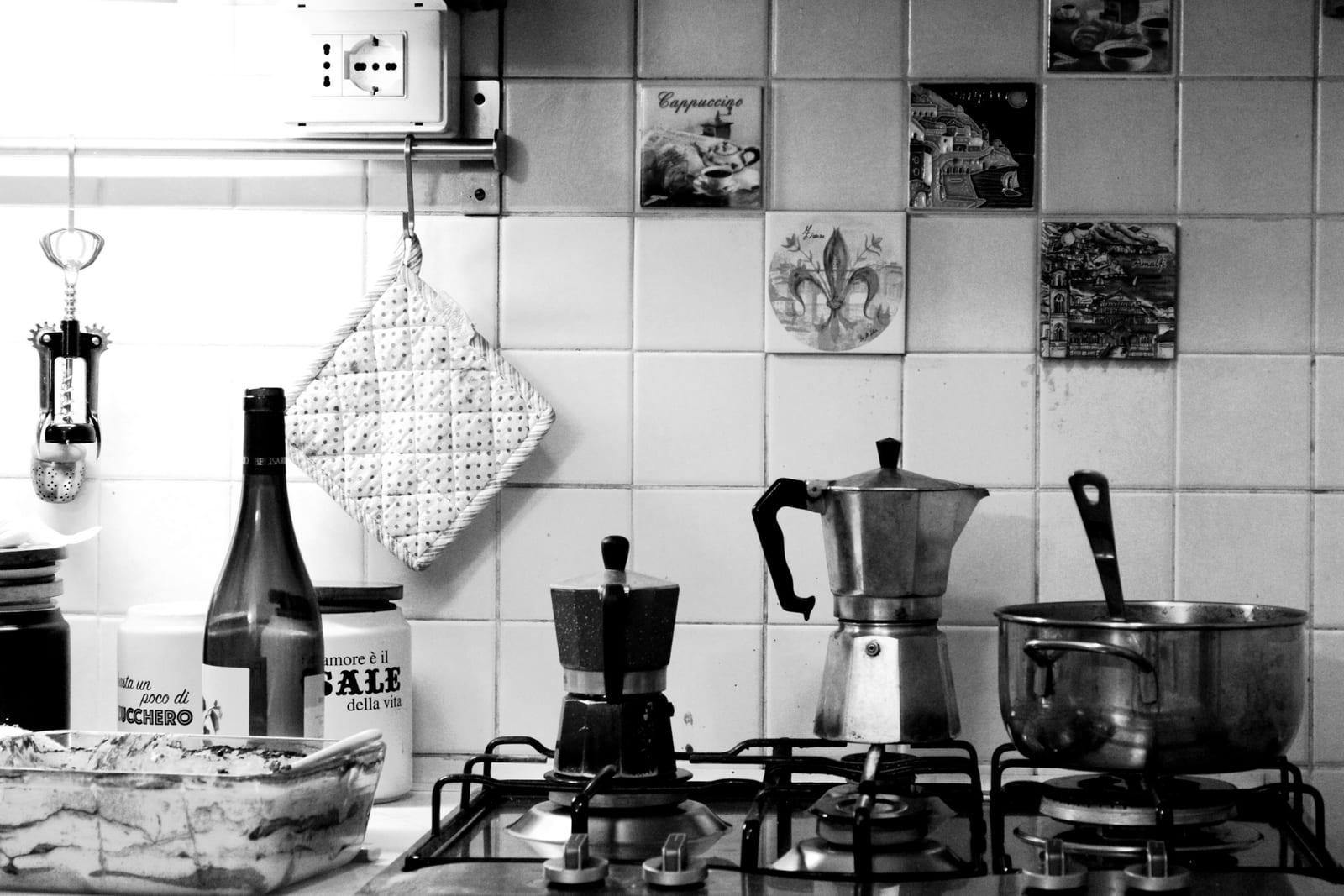
The fix for bitter coffee is rarely new gear. It is usually one thing you are already doing. · Photo by Daniele Merola on Unsplash
Coffee tastes bitter when it is over-extracted, meaning the water pulled too much out of the grounds. Seven things push extraction too far: a grind that is too fine, water that is too hot (above 96°C (205°F)), brewing for too long, using too much coffee for the water, beans roasted too dark, dirty equipment, and poor water quality. To fix bitter coffee, work through those causes in order, starting with grind size, and change only one variable at a time. The three fastest fixes when coffee is too bitter are grinding one step coarser, keeping your water between 90°C (194°F) and 96°C (205°F), and using a 1:16 coffee-to-water ratio. If your coffee is consistently bitter, the cause is almost always grind or temperature.
My grandmother brewed coffee in a moka pot every afternoon, and I grew up thinking that taste, strong and a little harsh, was simply what coffee was. It took me years to realize the bitterness wasn’t coming from the coffee alone.
So if you've found yourself asking why does my coffee taste bitter, here is the reassuring part. Bitter coffee is almost always fixable. When a cup tastes sharp, harsh, or unpleasantly bitter, something specific went wrong while you brewed it, and it usually traces back to one of seven variables.
What makes coffee taste bitter?
Bitterness is not random, and it is not a flaw in your beans. It is a result of extraction, the process of hot water dissolving compounds out of coffee grounds.
Coffee gives up its flavors in a rough order. Acids and bright notes come out first, then sweetness and body, and the harsher, bitter compounds come out last. A good cup catches the first two and stops before the third takes over. Push extraction too far and bitterness floods everything else. If your coffee tastes sharp and sour, or thin and weak, that is a different problem, and our broader guide to why coffee tastes bitter, sour, or weak covers all three. This one stays on bitter.
The Specialty Coffee Association defines a balanced extraction as drawing out 18 to 22 percent of the coffee's soluble material (the SCA's coffee standards). Below that range, coffee tastes sour and thin. Above it, you get the bitter, drying cup you are trying to fix. If you want the chemistry underneath that window, which compounds dissolve when and why the order matters, our guide to what coffee extraction actually is covers it.
The specialty industry treats bitterness as a clear signal that something failed. As World Barista Champion James Hoffmann puts it in his guide to coffee tasting, "For us, bitterness is kind of a failure" (James Hoffmann). A failure of roasting, or a failure of brewing. The seven causes below are simply the seven ways that failure happens, and each one has a fix.
1. Is your grind too fine?
This is the most common reason coffee turns out too bitter, and it is the first thing to check.
A finer grind exposes more surface area to water, which speeds up extraction. If the grind is too fine for your brewing method, water pulls too much, too fast, and bitter compounds take over the cup. Grind consistency matters as much as grind size. Coffee author Scott Rao, who has written several books on extraction, calls grind distribution "one major thing that separates a good shot from a bad shot" (Barista Magazine). That is true well beyond espresso.
How to fix it: move your grinder one step coarser and brew again. Taste after each change. For pour-over, start at medium-fine. For French press, go properly coarse, closer to the texture of coarse sea salt. For espresso the margin is tighter, and a single step on the grinder can move a shot from harsh to sweet. If you are using a blade grinder, that is likely part of the problem on its own, because it produces uneven particles that over-extract and under-extract in the same cup. And if the grind setting checks out but cups still swing from good to harsh, the grinder itself may be the limit. Our guide on whether your grinder is the problem covers how to tell before you upgrade.
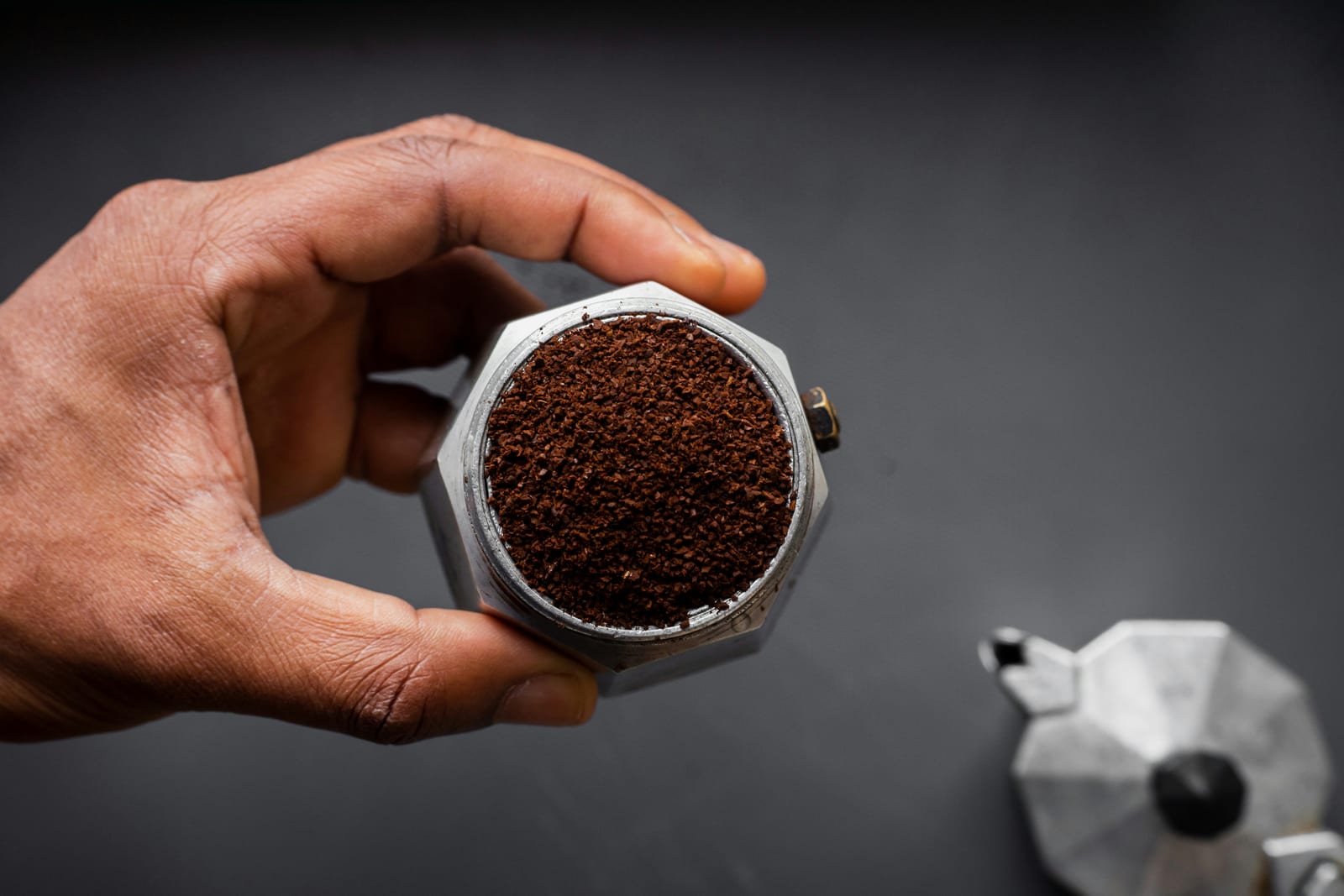
2. Is your water too hot?
Water temperature controls how aggressively coffee extracts. The hotter the water, the faster bitter compounds dissolve into the cup.
This is where a lot of home brewers lose without realizing it. A standard kettle boils to 100°C (212°F) and pours straight away. That is hotter than coffee wants, and the extra heat scorches the grounds before the good flavors have a chance to balance it.
How to fix it: aim for water between 90 and 96°C (about 195 to 205°F), the range the Specialty Coffee Association recommends for balanced extraction (the SCA's coffee standards). For lighter roasts, stay near the top of that range. For darker roasts, drop toward 90°C (194°F), since they extract faster and need less heat. No temperature-controlled kettle? Boil the water, then wait 30 to 45 seconds before you pour. That short pause drops the temperature into the right window, and it is the cheapest fix on this list.
If your coffee is bitter and it always comes from the same drip coffee maker, the machine itself is a fair suspect. Many automatic brewers run the water hotter than the SCA range, and most keep the finished pot on a hot plate that slowly stews it past the point of balance. Pour the coffee into a thermal carafe as soon as it finishes, and if a machine scorches every cup, that is a reason to consider replacing it. French press vs drip coffee works through that decision.
3. Are you brewing for too long?
Contact time, how long water and coffee sit together, directly controls extraction. Too long and you cross into over-extraction no matter how good your grind and temperature are.
This shows up most in French press, where it is easy to start a brew and forget it, and in slow drip machines. I have done it. A French press left for ten minutes while the conversation runs long turns sharp and dry by the time you remember it.
How to fix it: for French press, press the plunger and pour the coffee out at 4 minutes exactly. Do not let it keep steeping in the pot. For pour-over, total brew time should land between 2:30 and 3:30. The SCA's brewing standard puts the healthy contact-time window at 4 to 8 minutes across most methods (the SCA's coffee standards). Keep the water in the 90 to 96°C range (about 195 to 205°F) while you adjust the time, so you are only changing one variable. If your pour-over runs longer than 3:30, the grind is probably too fine and restricting the flow, so fix the grind first, then re-check the time.
4. Is your coffee-to-water ratio off?
Use too much coffee for the water and you concentrate everything, bitterness included. Use too little water and it saturates too quickly, which drags out harsh compounds in a different way. Either mistake pushes a cup toward bitter.
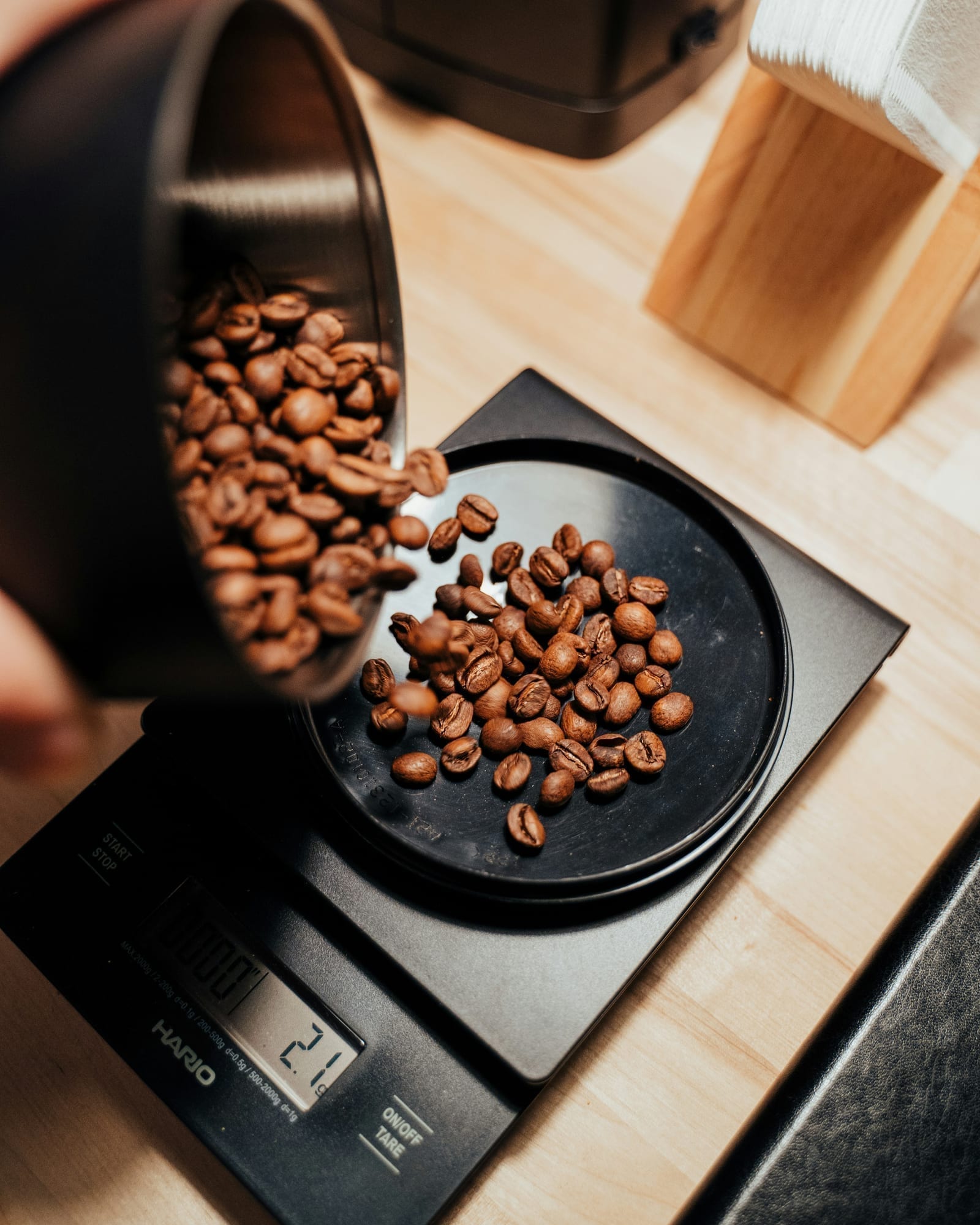
How to fix it: start at a 1:16 ratio, 1g (0.04oz) of coffee for every 16g (0.56oz) of water. For a 250ml (8.5 fl oz) cup, that is about 16g (0.56oz) of coffee. Weigh both on a kitchen scale instead of guessing with scoops, because scoop volume changes with grind size and bean density. Once you are weighing consistently, adjust from 1:16 to taste, but make small moves and change only the ratio so you can tell what the change actually did. A scale is a small purchase that fixes more bitter cups than almost anything else, because it turns a vague recipe into one you can repeat.
5. Are your beans roasted too dark?
Sometimes the bitterness is not your technique at all. It is the roast.
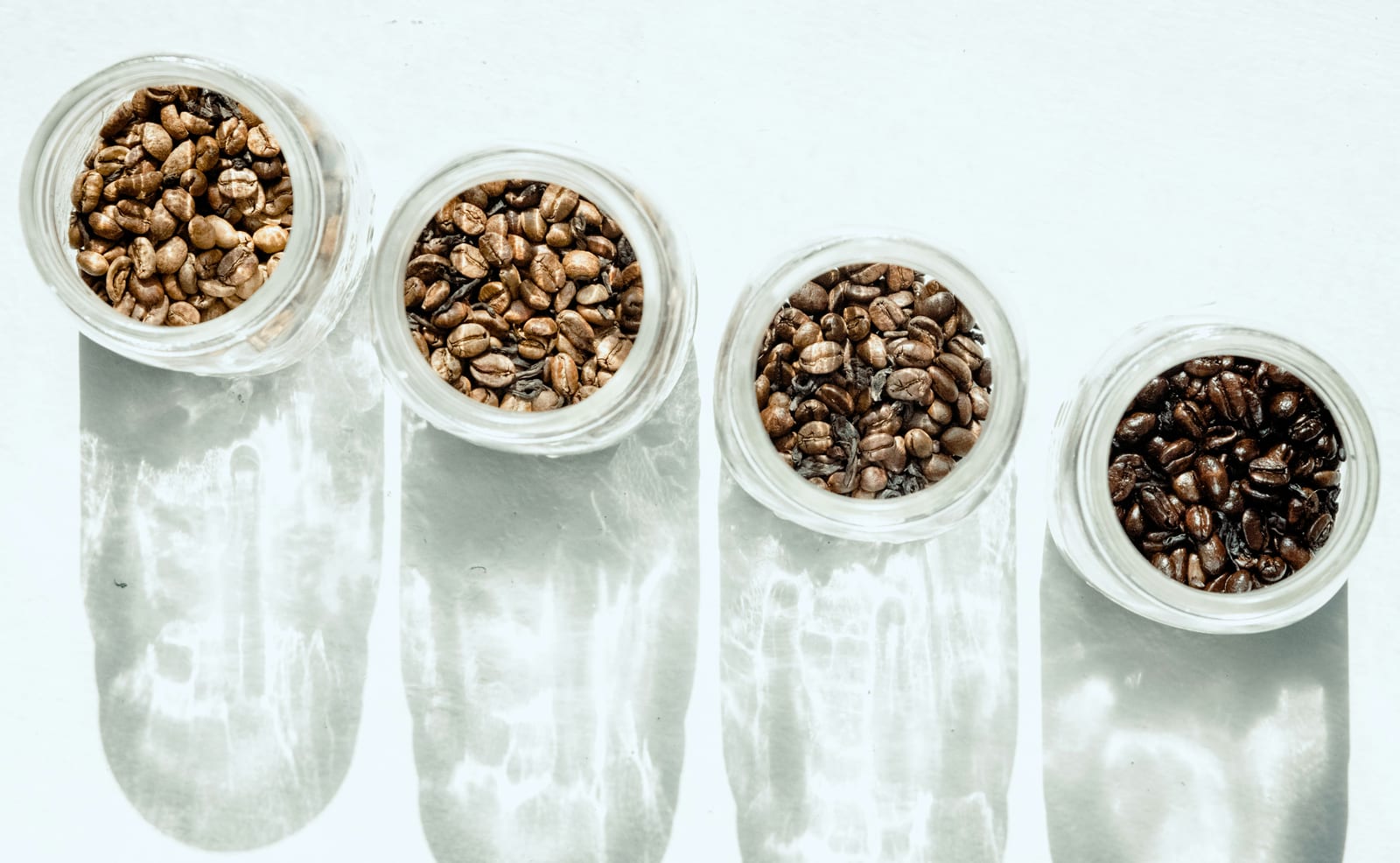
Dark roasts are more prone to bitterness by design. As beans roast longer, their chlorogenic acids break down into compounds called phenylindanes, which carry a harsh, lingering bitterness that no brewing adjustment fully removes. Chemists at the Technical University of Munich who studied coffee bitterness found that caffeine, the compound usually blamed for it, is a minor player. Roasting is the real driver. "Roasting is the key factor driving bitter taste in coffee beans," said lead researcher Thomas Hofmann (Arizona Daily Star). The darker the roast, the more of those harsh compounds end up in the cup (ScienceDaily).
How to fix it: if you have checked your grind, temperature, time, and ratio and the coffee is still bitter, try a medium roast of the same origin. Medium roasts keep more of the bean's natural sweetness and acidity, which balances the cup instead of burying it. This is not about dark roast being wrong. Plenty of people love it. It is about matching the roast to what you actually want to taste.
6. Is your equipment dirty?
Coffee leaves oils behind. They coat the inside of your grinder, the filter basket, the carafe, the spout. Over time those oils oxidize and turn rancid, and rancid oil tastes stale and bitter. It ends up in every cup, regardless of how good your beans or technique are.
This is one of the most overlooked causes of bitterness. The equipment degrades slowly, so the decline is easy to miss until a cup tastes noticeably off.
How to fix it: clean your grinder every two weeks, using rice or grinder-cleaning tablets to lift the oils out of the burrs. Run a descaling or cleaning cycle through your machine once a month. Rinse a French press or pour-over dripper with hot water right after each use, and wash it properly with soap every few days. If your coffee turned bitter and you cannot find the cause anywhere else, ask yourself when you last cleaned the thing you brew in.
7. Is your water quality poor?
Brewed coffee is almost entirely water, so the water you start with matters more than most people expect.
Very hard water, high in calcium and magnesium, interacts with coffee compounds during extraction in ways that can amplify bitterness. The Specialty Coffee Association recommends brewing water with a neutral pH and total dissolved solids around 150 mg/L (the SCA's coffee standards). Push well past that and the cup turns chalky and bitter. Chlorinated tap water adds its own off-flavors that read as harsh.
How to fix it: brew with filtered water. You do not need anything expensive. A standard Brita-style filter removes the chlorine and softens the mineral load enough to taste the difference. If you want to go further, mineral packets made for coffee, such as Third Wave Water, let you build water to a target. Skip distilled water, though. Water with no minerals at all under-extracts and tastes flat and hollow.
Why did my coffee suddenly taste bitter?
Sometimes the question is not why coffee is bitter in general, but why it went bitter all of a sudden. You changed nothing. Same beans, same grinder, same routine, and yet the cup turned harsh this week.
When nothing in your routine changed, the cause is almost always something that drifted on its own. Three things drift quietly. Your beans keep aging from the day the bag was opened, and a coffee that tasted bright two weeks ago can turn flat and harsh as it stales. Oils build up inside an uncleaned grinder and brewer until, at some invisible point, the rancid taste crosses into every cup. And a grinder dial knocked half a step finer, by a cleaning or a careless hand, quietly speeds up extraction without you noticing.
So when bitterness appears suddenly, check those three first: how old the beans are, when you last cleaned the grinder, and whether the grind setting still sits where you left it. The frustrating part is that you cannot confirm any of it from memory. If you had written down the grind setting and roast date of your last good cup, the change would be obvious in seconds. Without that record, you are back to guessing.
How do I know why my coffee tastes bitter?
If you are not sure which of the seven is causing your bitter coffee, do not change everything at once. Work through them in this order, from the highest-impact and easiest to the least likely:
- Grind size first. It has the biggest effect and is the easiest to adjust. Go one step coarser.
- Water temperature second. Check whether your kettle or machine has any temperature control, and if not, use the boil-and-wait trick.
- Brew time third. Time your next brew and compare it to the recommended range for your method.
- Ratio fourth. Weigh your coffee and water if you are not already doing so.
- Beans fifth. Try a different roast level before blaming anything else.
- Equipment sixth. Ask yourself when you last cleaned your grinder and brewer.
- Water last. If everything else checks out, switch to filtered water.
Change one variable at a time. If you change two things and the coffee improves, you have learned nothing, because you cannot tell which one did it. One change, one taste, one note.
Here is the same diagnosis as a quick reference, matching each cause to what the cup tastes like and the first thing to change.
| Cause | What the cup tells you | Fastest fix |
|---|---|---|
| Grind too fine | Sharp, harsh, drying bitterness | Grind one step coarser |
| Water too hot | Scorched, aggressive bitter taste | Keep water at 90°C (194°F) to 96°C (205°F) |
| Brewing too long | Heavy, dry, over-steeped | Pour French press at 4 minutes |
| Ratio too strong | Concentrated and bitter | Start at 1:16 and weigh it |
| Roast too dark | Lingering, ashy bitterness | Try a medium roast |
| Dirty equipment | Stale, rancid bitter taste | Clean the grinder and brewer |
| Poor water quality | Chalky or harsh | Switch to filtered water |
Frequently asked questions about bitter coffee
Why does my coffee taste bitter even with good beans?
Good beans do not protect a cup from over-extraction. If the grind is too fine, the water too hot, or the brew too long, the water still pulls out harsh compounds regardless of bean quality. Bitterness is usually a brewing problem, not a bean problem, so start with grind size.
Does dark roast always taste more bitter than light roast?
Generally yes. Roasting breaks chlorogenic acids down into phenylindanes, the compounds behind a harsh, lingering bitterness, and darker roasts contain more of them. A dark roast is more prone to bitterness by design. Brewing it carefully helps, but a medium roast of the same coffee will taste less bitter.
Can I fix bitter coffee by adding salt or sugar?
A pinch of salt does mute perceived bitterness, and sugar masks it, so both can rescue a cup you have already brewed. But they treat the symptom, not the cause. If your coffee is reliably bitter, fix the brew itself, the grind, temperature, time, and ratio, so the next cup does not need rescuing.
Is bitter coffee bad for you?
No. Bitterness is a flavor problem, not a safety problem. Over-extracted coffee tastes harsh and drying, but it is not harmful to drink. Treat a bitter cup as feedback that something in the brew needs adjusting, not as a warning sign about the coffee itself.
Why does my espresso taste bitter but my pour-over does not?
Espresso uses high pressure, a very fine grind, and hot water, which makes it far easier to over-extract than a pour-over. The margin for error is smaller, so a grind setting or shot time that would be harmless in pour-over can push espresso into bitterness. Espresso needs tighter, more precise dialing in. Our espresso recipe has the starting-point parameters.
Keep track of what you change
The reason most people stay stuck with bitter coffee is not a lack of knowledge. It is memory. You change the grind, the cup gets better, and a week later you cannot remember exactly what you did, so you drift back to the old setting without noticing.
Writing it down fixes that. After each brew, note the grind setting, the water temperature, the time, the ratio, and how the cup tasted. Four numbers and one sentence. Do that for a week and patterns appear, like bitterness every single time you rush the water or skip the wait. It is the same logging habit behind how to make espresso at home and consistently good espresso at home, and it makes the cup repeatable.
That habit is the reason we built iCoffee. You log a brew, rate the cup, and the app connects what you did to how it tasted across every brew you record. Its AI Barista reads that history, so when bitterness keeps showing up it can point to the specific variable to change next, not generic advice. However you track it, in the app or in a notebook, the principle is the same. Bitter coffee is a solvable problem, and the solution is paying attention to one cup at a time.
About the author
Vanessa Simões
Co-founder of iCoffee
Make your next cup count.
iCoffee is the app that helps you brew better coffee at home, every day.
Get the appdownloadKeep reading
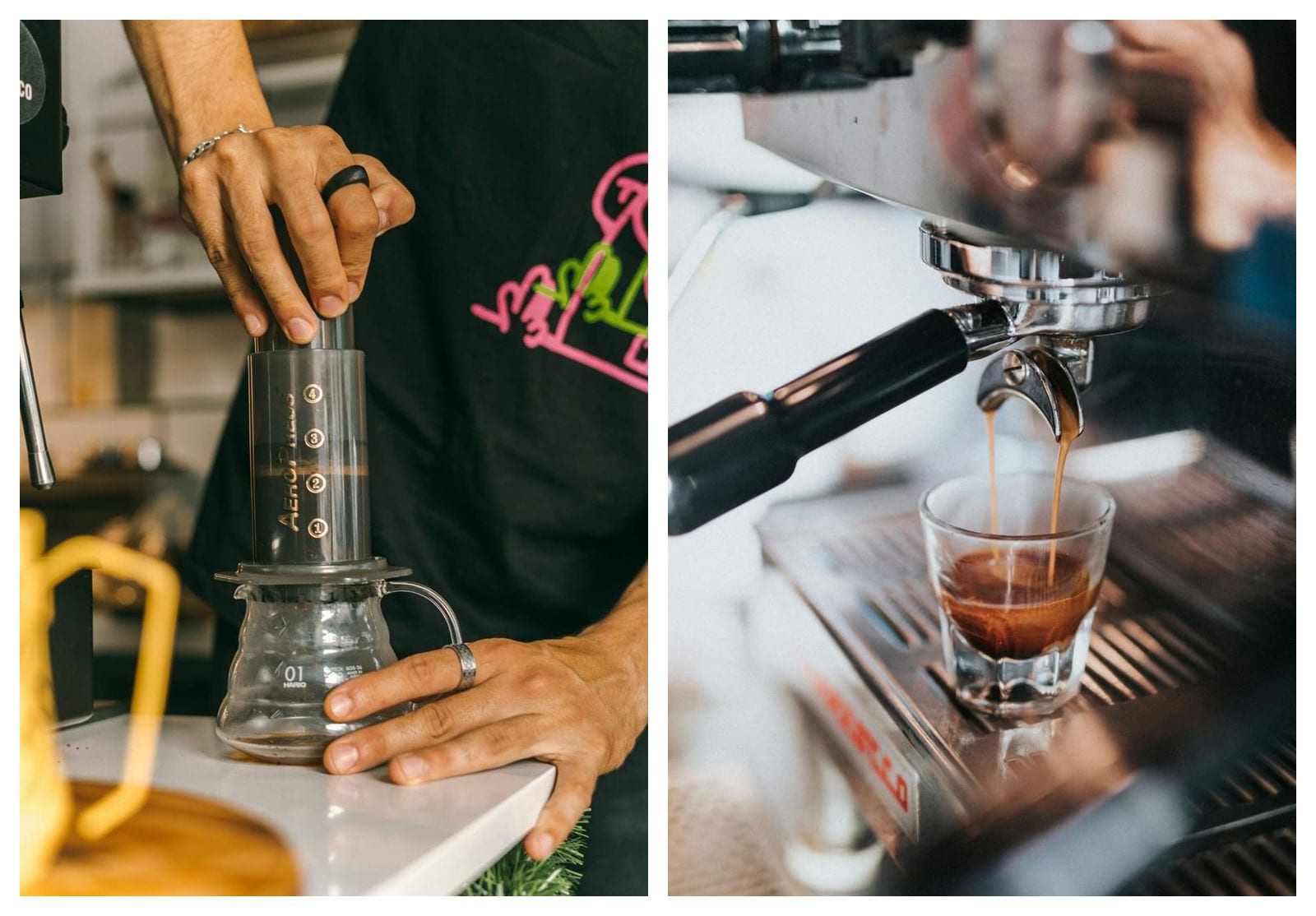
AeroPress vs Espresso Machine: Which One Is Right for You?
The AeroPress costs $40. An espresso machine costs $200 to $2,000. Here is what you get for the difference, and which one makes sense for your kitchen.

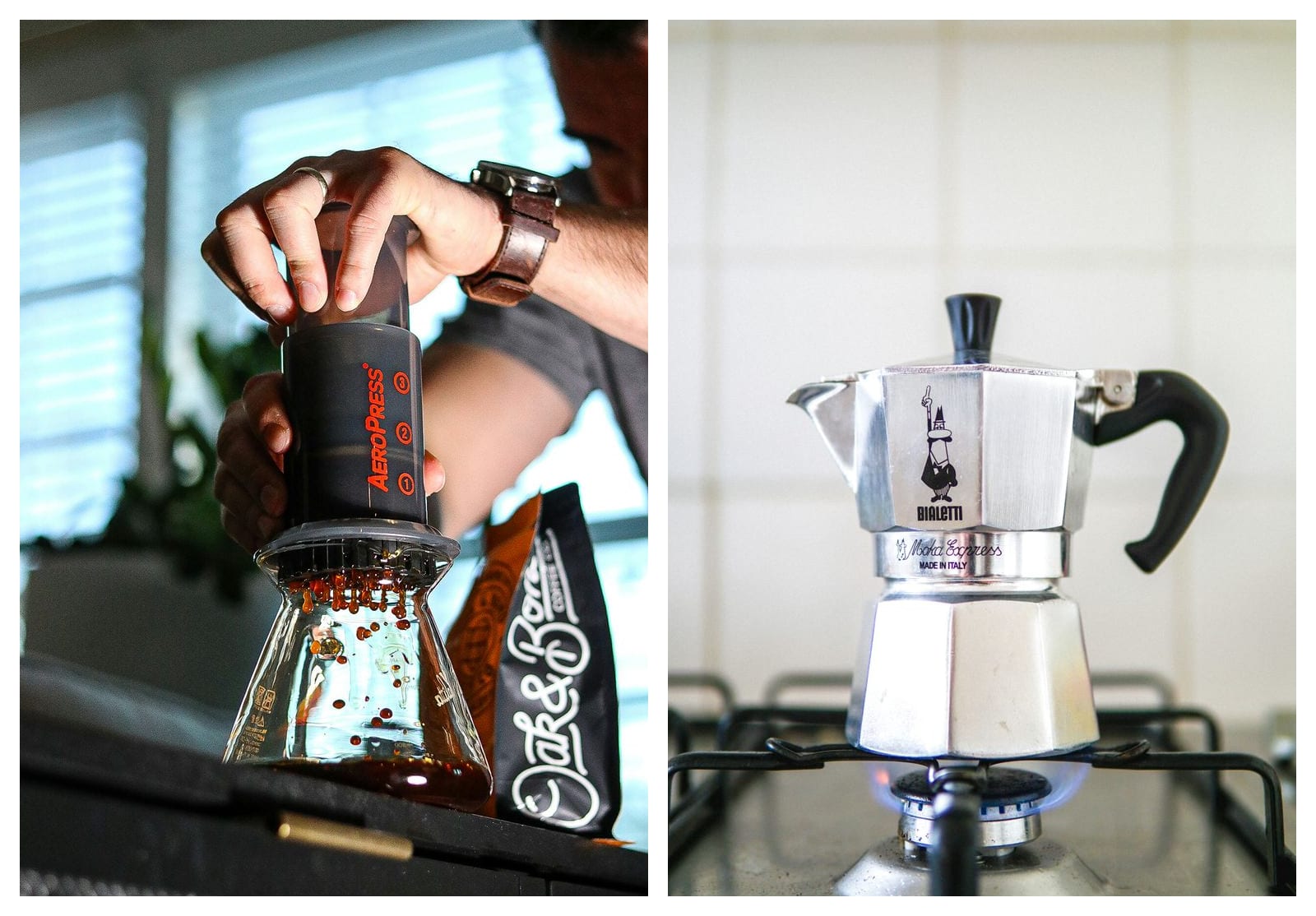
AeroPress vs Moka Pot: Which One Should You Buy?
Two compact brewers, two very different cups. What separates the AeroPress and the Moka Pot on flavor, effort, cost, and who each one is actually built for.
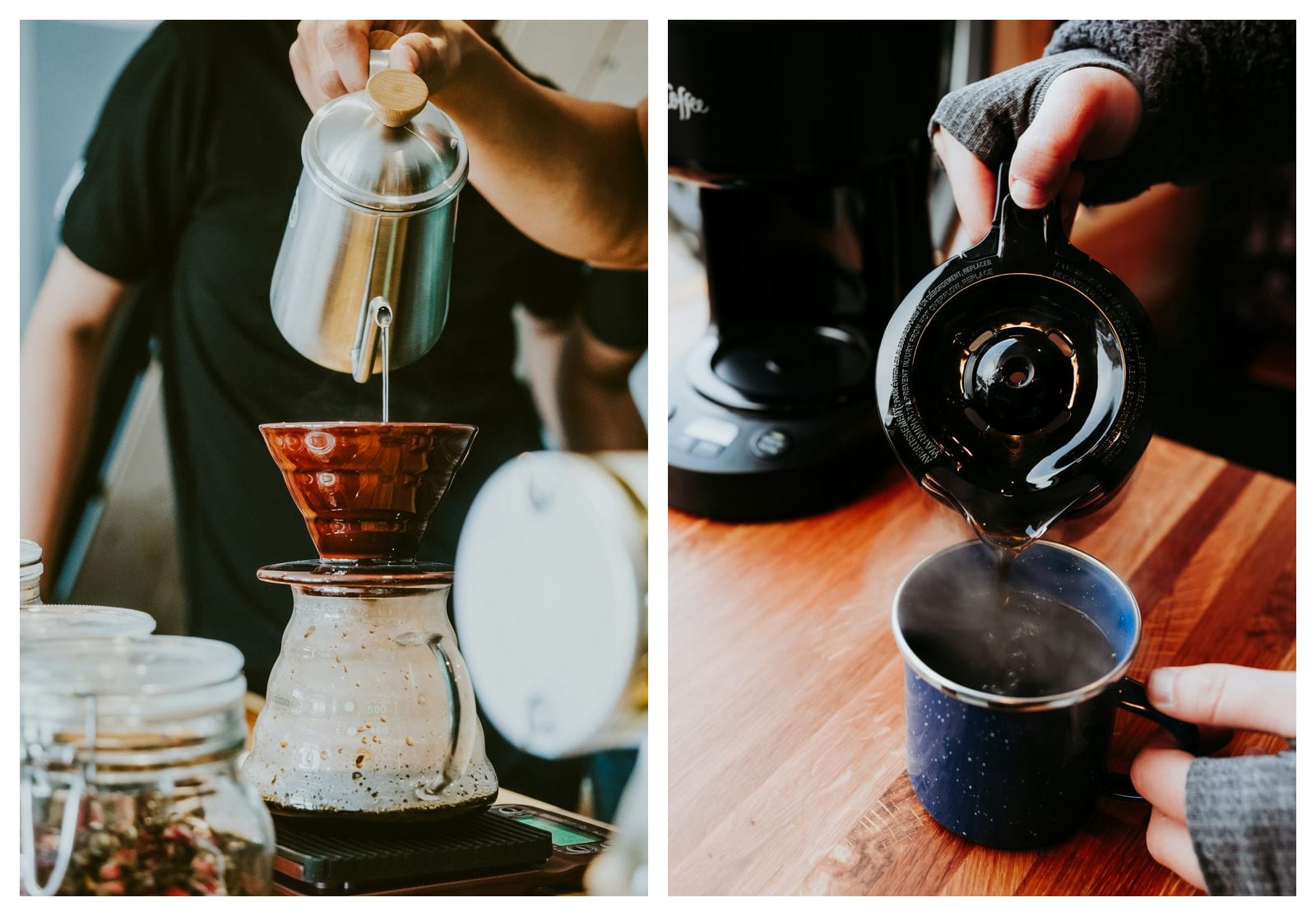
Pour Over vs Drip Coffee: Is the Upgrade Worth It?
A pour over gives you the temperature, the pour and the grind to adjust. A drip machine gives you a button. Which one suits you, on flavor, effort and cost.
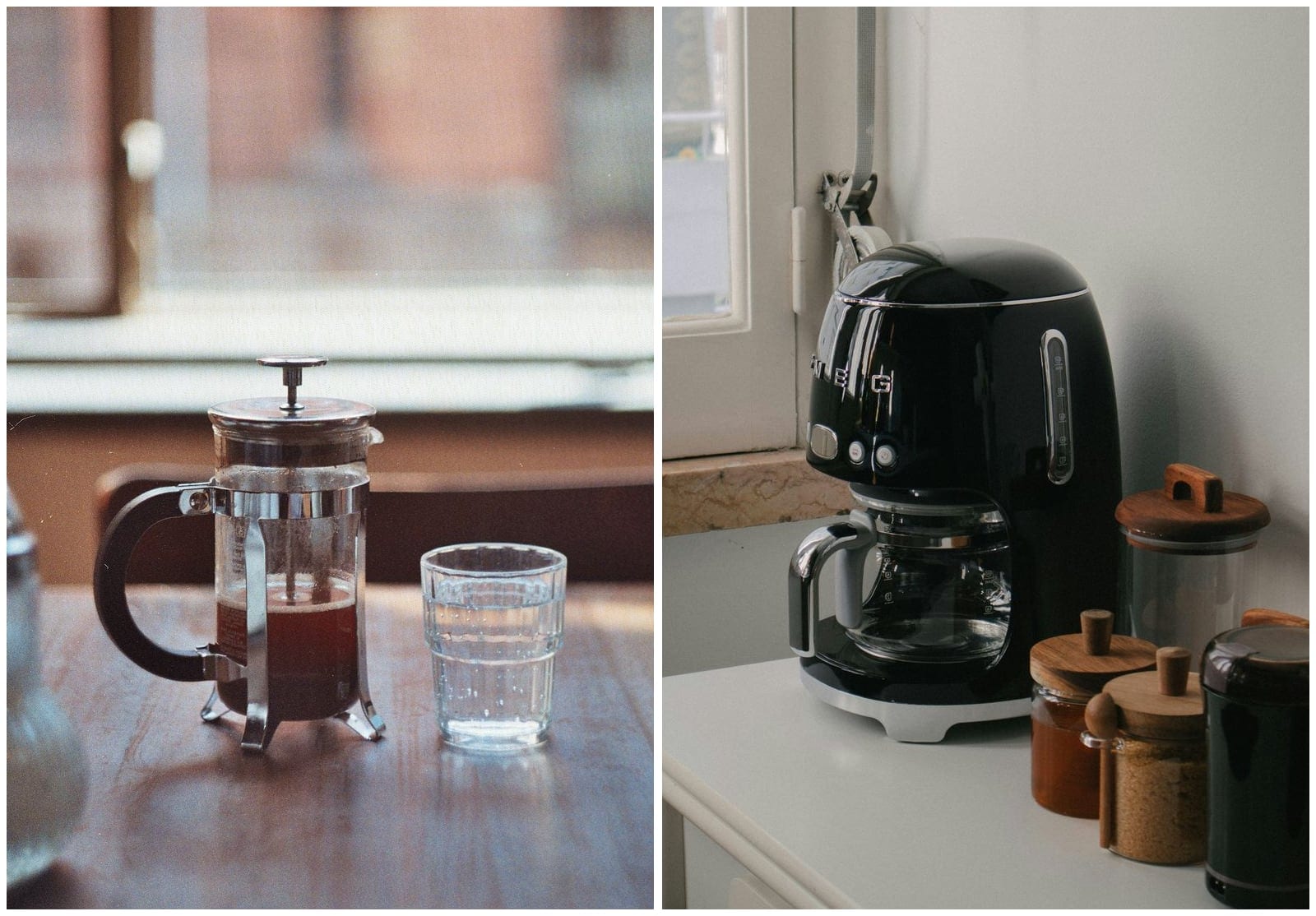
French Press vs Drip Coffee: Which One Should You Use?
Drip machine or French press: the cup, the effort, the cost and the honest trade-offs compared, plus a clear recommendation for each kind of home brewer.