

Pour over vs French press vs AeroPress
AeroPress vs French press vs pour over: which makes better coffee? Clarity, body, speed, and forgiveness compared, with an honest pick for each brewer.

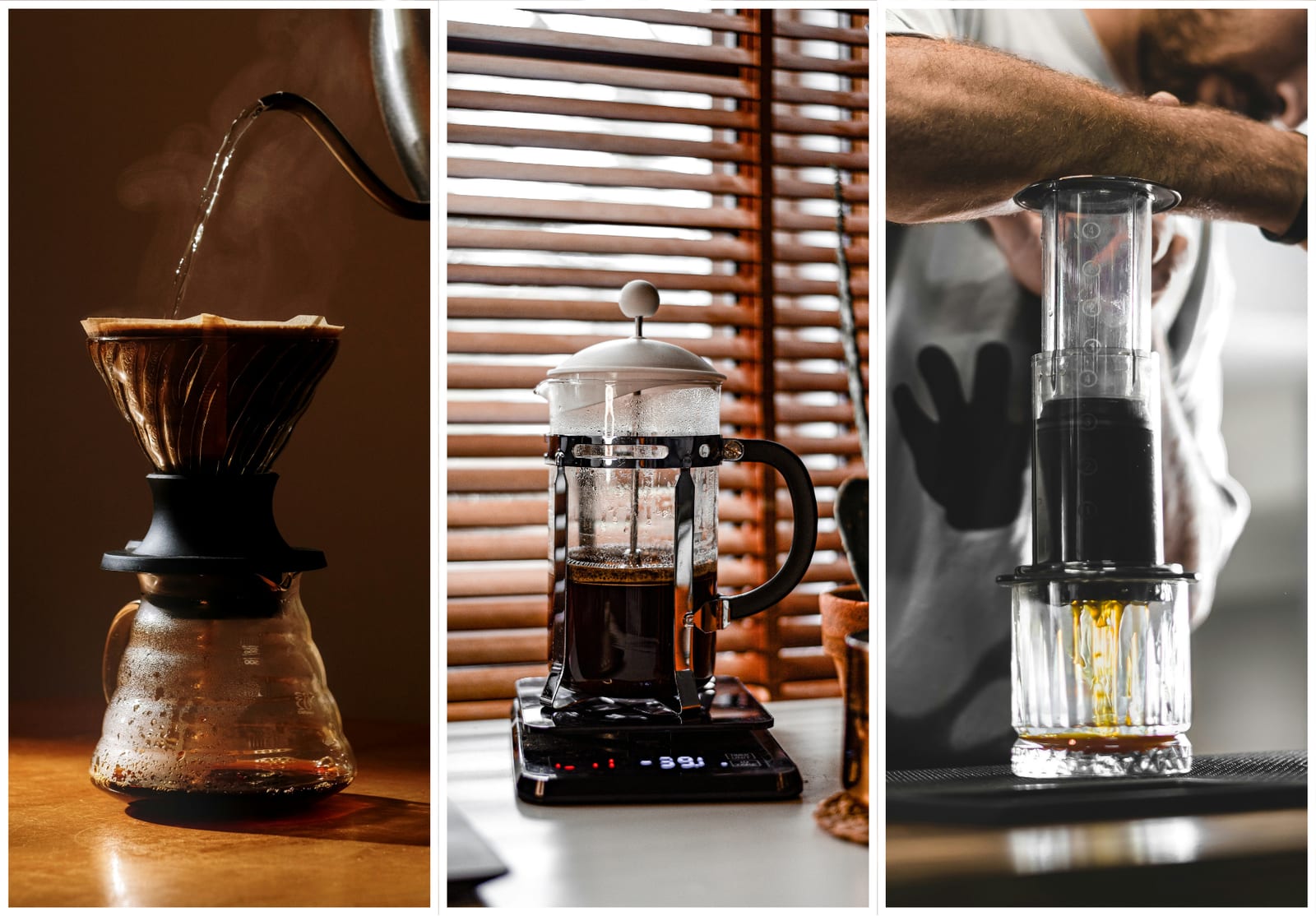
Three brewers, three different cups. The method shapes the coffee almost as much as the bean does. · Photos by Beau Carpenter, Daffa Z, and Pouya Hajibagheri on Unsplash
Pour over suits people who want clarity and control, and who don't mind that the method punishes inconsistent technique. French press suits people who want body and a low skill floor, and who can pour every drop out at the 4-minute mark without forgetting. AeroPress suits people who want flexibility, speed, and a brewer that forgives most mistakes. If you're picking your first method and want good coffee with minimal effort, get a French press. If you want to learn and improve, get an AeroPress. If you already brew often and care about origin flavors, get a pour over. The brewer matters, but consistent technique matters more, regardless of which one you pick.
A friend texted me last weekend asking which brewer she should buy first. She'd narrowed it down to three: a pour-over dripper, a French press, and an AeroPress. She wanted me to just pick one for her, the way you'd ask which restaurant to book. The pour over vs French press question alone has filled coffee forums for fifteen years, and adding the AeroPress to the mix only makes it harder.
What actually separates these three methods?
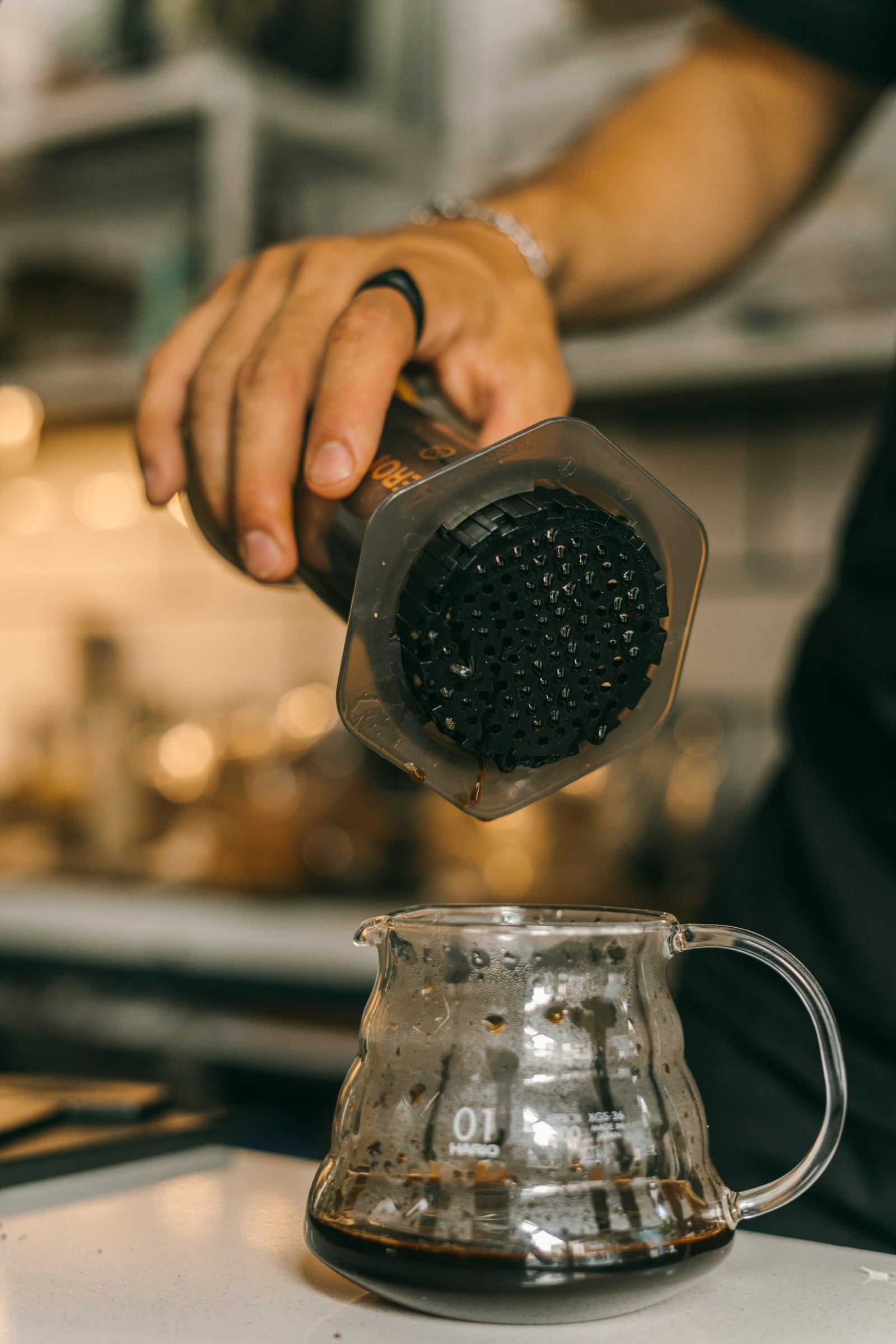
The thing that separates these three brewers is not the shape, the price, or the marketing. It's the filter.
A paper filter, the kind a pour over uses and most AeroPress recipes default to, catches the coffee's oils and the smallest particles, called fines. What lands in the cup is a brew that tastes clean, with the origin character of the bean coming through clearly. A metal mesh filter, the kind a French press uses, lets those oils and fines pass through. The cup has more body and weight in the mouth, and a thin layer of sediment settles at the bottom.
The AeroPress can use either kind of filter, paper or metal mesh, which is why people describe its cup as living between the two. With a paper filter it leans toward pour-over territory. With a metal one it edges toward French press.
Most of the differences in the rest of this article, from cup style to cleanup to which roasts each method flatters, follow from that single choice.
When pour over earns its place
Pour over is the brewing method third-wave coffee, the specialty movement that took off in the 2000s, built itself around. When you brew a light or medium roast from a single farm, the paper filter and the slow steady pour are what let you taste the origin: the citrus in an Ethiopian, the chocolate in a Colombian, the caramel in a Brazilian. Nothing in the cup hides behind body or sediment.
A typical pour-over recipe lands in this zone: medium-fine grind, water at 90 to 96°C (about 195 to 205°F), a 1:16 ratio of coffee to water, total brew time between 2:30 and 3:30. That temperature range is what the Specialty Coffee Association recommends for balanced extraction (SCA coffee standards). James Hoffmann's published V60 technique lands consistently around three to three-and-a-half minutes for a single cup (Hoffmann, "The Ultimate V60 Technique"). When the variables line up, the cup is articulate and clean, and you can taste decisions the farmer and the roaster made that you can't in any other method.
The honest downside: pour over is the most technique-sensitive of the three. Pour too fast and the coffee under-extracts and tastes sour. Pour into one spot instead of concentric circles and the water channels through the bed, skipping past most of the grounds and leaving a thin cup. Grind a step too fine and the flow chokes and the cup turns bitter. There's no immersion to even things out and no pressure to compensate. The water moves through the bed once, and what you get is whatever your hand did.
Pour over rewards consistency more than any home brew method except espresso. If you don't like fiddling, it isn't your method.
When French press is the right call
If pour over is the method that asks for technique, French press is the method that forgives it. The brewer is a glass cylinder with a plunger and a metal mesh. Hot water, coarse grounds, four minutes of steeping, press, pour. There's no pouring technique to learn, no flow rate to control, no gooseneck kettle required. You can make a passable cup the first time you try it, and a good one within a week.
The grind is properly coarse, closer to coarse sea salt than to anything finer. The water sits in the 90°C (194°F) to 96°C (205°F) range, the same as every method here. The starting ratio is 1:15. The cup is heavy and full-bodied, with the bean's oils and a thin layer of fines giving it weight no paper-filtered method can match. Dark roasts in particular taste warmer and rounder out of a French press, since the body softens their rougher edges.
There is one non-negotiable rule. You must press the plunger and pour every drop out of the carafe at four minutes. Not five. Not "whenever I get back to it." If the brewed coffee keeps sitting on the grounds, extraction keeps going, and the cup turns bitter and astringent in a way no adjustment fixes. Every serious French press recipe lands on the same convention: 4 minutes exactly, then pour everything out immediately, even if you only want one cup.
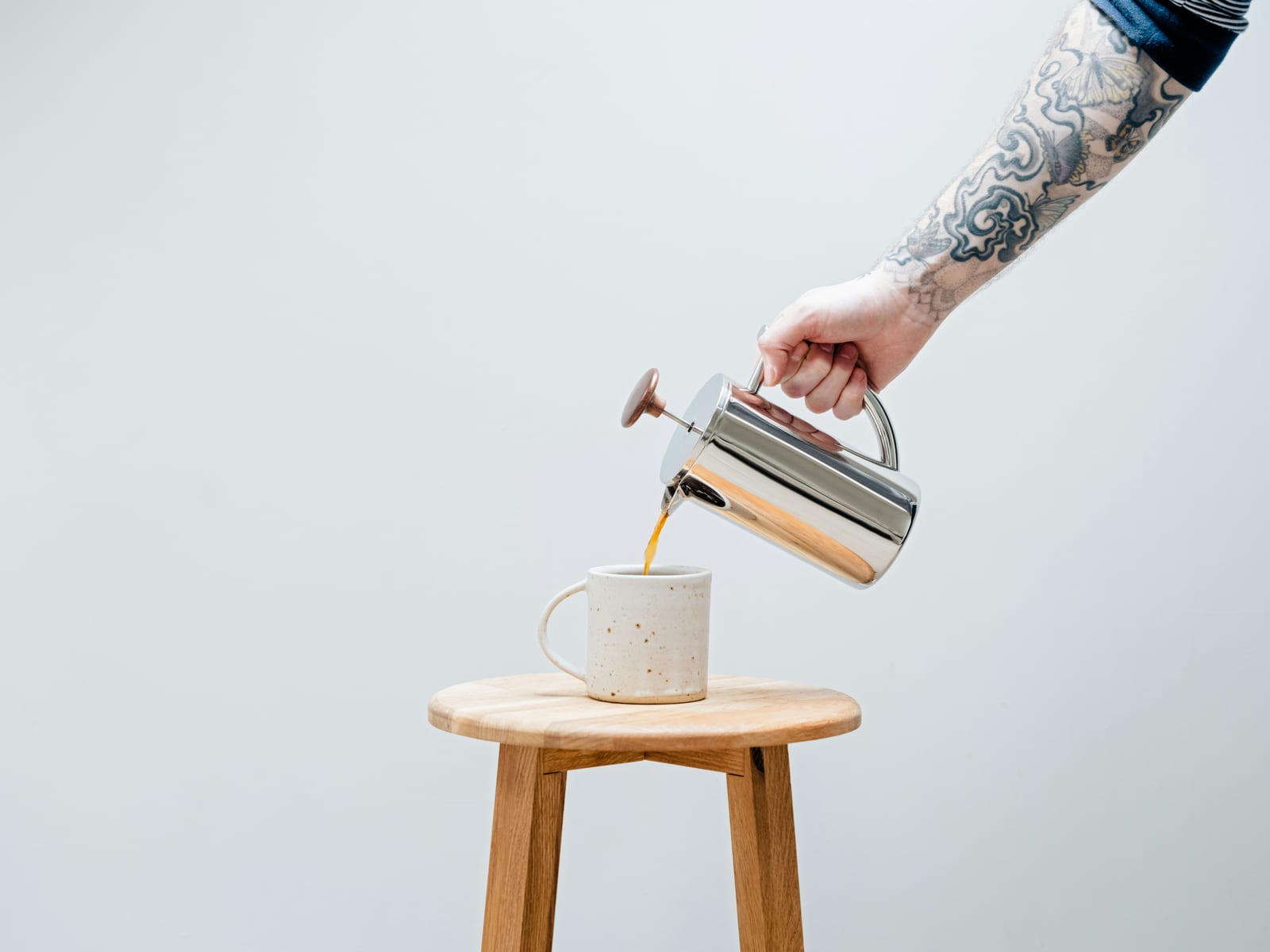
The honest downside: sediment. Even the best French press leaves a thin layer of fines in the bottom of the cup. Some people love it for the texture it adds. Others find it gritty enough to put them off the method entirely.
When AeroPress is the better choice
The AeroPress is the youngest of the three by half a century. Alan Adler, a Stanford engineering lecturer best known for the Aerobie flying ring, debuted it at Seattle's Coffee Fest in November 2005 (AeroPress, "About"). It looks like a plastic syringe and brews coffee by pressing hot water through a paper or metal filter into a cup, all in 1 to 2 minutes.
What earns AeroPress its spot on this list is versatility. With a fine grind and a short brew it produces a small, espresso-style concentrate you can dilute. With a medium grind and a slower press it lands closer to a paper-filtered pour over. With a long inverted steep it edges toward French press territory. One brewer, three styles, depending on which recipe you run. The pour over vs AeroPress comparison comes down to what you want from the cup: pour over gives you the cleanest possible read on a bean, while AeroPress gives you flexibility and forgiveness in exchange for some of that clarity.
For most home recipes, a medium to medium-fine grind, water at 90°C (194°F) to 96°C (205°F), a 1:16 ratio, and a total brew time of 1 to 2 minutes will land you in a good cup. Some house recipes go cooler and stronger on purpose, around 85°C (185°F) and 1:15, to control bitterness with lighter roasts. AeroPress also forgives mistakes the way French press does. A slightly off grind or temperature gets buffered by the pressure and short contact time, where in a pour over the same mistake wrecks the cup.
It also travels well. Plastic, light, almost unbreakable, and the cleanup is a famous puck-pop into the bin and a rinse of the plunger. If you're an office brewer or you're packing for a trip, nothing else competes.
The honest downside: small volume. A single AeroPress brew makes one cup, sometimes two if you dilute the concentrate. For a household pouring three or four cups in the morning, you're brewing two or three times in a row.
How do these methods actually compare side by side?
Here's the same information in one table. If you only read one section in this article, this is the one.
| Pour over | French press | AeroPress | |
|---|---|---|---|
| Brew time | 2:30 to 3:30 | 4 minutes exactly | 1 to 2 minutes |
| Skill level | High. Technique matters. | Low. Hard to mess up if you watch the clock. | Low to medium. Forgiving recipes. |
| Cup style | Clean, articulate, origin-forward | Heavy, full-bodied, with sediment | Versatile. Lives between the other two. |
| Grind | Medium-fine | Coarse, like coarse sea salt | Medium to medium-fine |
| Best for | Light to medium roasts, single-origin beans | Dark roasts, comfort coffee, dinner-party batches | Travel, experimenting, single cups |
| Portability | Low. Dripper, kettle, scale, filters. | Low. Glass, breakable, no flat lid. | Very high. Light and almost unbreakable. |
| Cleanup | Medium. Wet paper filter into bin, rinse. | Annoying. Sludge in the mesh, oils on the glass. | Easiest. Puck pops out, rinse plunger. |
| Decent setup cost | $30 to $80 | $25 to $60 | $35 to $50 |
The table is the quick read. The harder question is which row matters most for you, which is the next section.
Which method should you pick?
The table shows what each method does. The honest question is which of those is right for you. Here's how I'd answer it for the six most common readers I get asked this by.
If you're a beginner who wants good coffee with minimal effort, get a French press. There's no other method here with a lower floor. You boil water, you wait 4 minutes, you press, you pour. Even a bad French press cup is recognizably coffee, where a bad pour-over cup is closer to dishwater. The skill ceiling is real but you can ignore it for years and still enjoy the cup. If you want a specific starting point, our French press house recipe runs 30g coffee, 450ml water at 94°C (201°F), 1:15, coarse grind, built around a 60-second skim-and-settle that keeps the cup clean.
If you're a beginner who wants to learn and improve, get an AeroPress. It's the brewer I'd hand someone curious about the process, not just the result. You can run a different recipe each week and see what each variable does, and the worst version of each recipe still tastes decent. The aeropress vs French press question comes up most often here, and the honest answer is: AeroPress if you want a forgiving brewer that lets you experiment, French press if you want a forgiving brewer that stays out of your way. If you want a specific starting point, our AeroPress house recipe runs 15g coffee, 225ml water at 85°C (185°F), 1:15, medium-fine grind, tuned for a clean, body-forward cup that forgives bean choice.
If you're an experienced brewer who cares about origin character, get a pour over. Once you can pour consistently and grind right, no other manual method shows you what a coffee actually tastes like the way pour over does. The paper filter strips out everything that could hide behind body, and what's left is the bean. For a $30 single-origin from a small roaster, this is the only method that earns the price tag. If you want a specific starting point, our V60 house recipe runs 18g coffee, 288ml water at 96°C (205°F), 1:16, medium-fine grind, built to push clarity.
If you're a traveler or an office brewer, get an AeroPress. The portability isn't close. Pour over needs a kettle, a scale, and counter space. French press needs a hot plate and a glass cylinder that breaks. AeroPress fits in a backpack and brews one good cup wherever you can boil water. Office, hotel, hostel, campsite, anywhere really. If the moka pot is the other compact brewer on your shortlist, AeroPress vs Moka Pot compares the two head to head.
If you're upgrading from a drip machine, it depends on what you liked about the drip. If you liked the hands-off, set-and-forget side, the closest manual equivalent is a French press, and the drip vs French press question essentially comes down to whether you want a cleaner machine-made cup or a heavier hand-made one. If you liked the cup itself and want to push the quality up, the move is pour over. The pour over vs drip coffee comparison is the cleanest upgrade you can make with manual gear, because pour over does what a drip machine does but with control over every variable. AeroPress is also a fair option if you want hands-on but not the full ritual.
If you want iced coffee without buying more gear, brew Japanese iced coffee with the pour over you already have. Japanese iced coffee is a pour over brewed hot, straight onto ice, so you keep the clarity and the aromatics and get a cold cup in five minutes instead of the 16 to 24 hour steep a cold brew needs. If you want a specific starting point, our Japanese iced coffee house recipe runs 30g coffee, 300ml water at 96°C (205°F) poured over 200g of ice, 1:16 total, medium-fine grind.
What gear do you actually need for each?
The base setup cost for all three methods sits in roughly the same range, but the surrounding gear matters as much as the brewer itself.
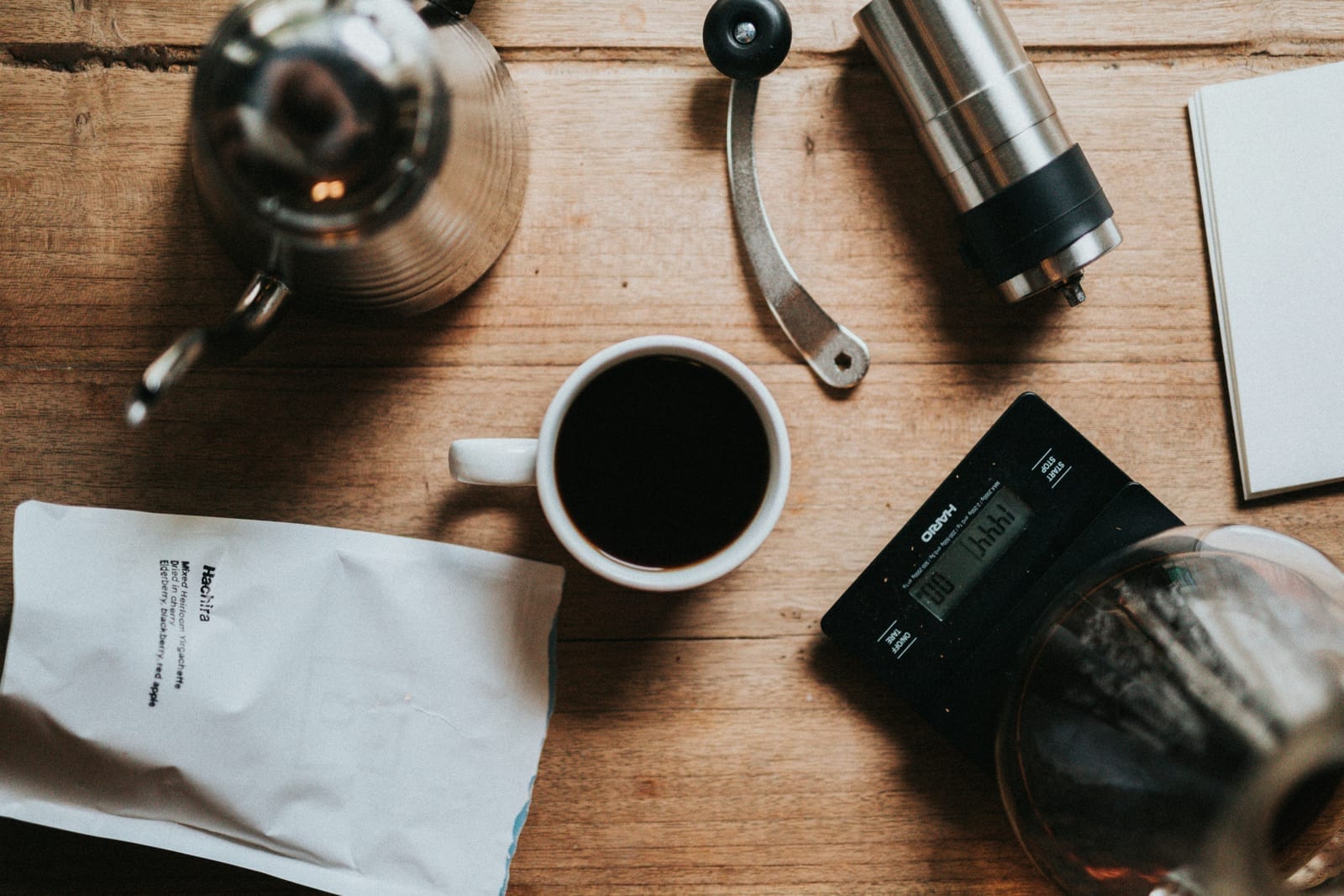
For all three, you want a burr grinder rather than a blade one. Particle size distribution is the variable most underestimated by home brewers, and a blade grinder produces a spread of sizes wide enough to break any recipe. Coffee writer Scott Rao has written about how often-overlooked grinder maintenance, like replacing worn burrs more frequently than most setups do, can dramatically improve average extraction quality at a fraction of the cost of any other upgrade (Rao, "There are no points for difficulty in coffee"). If you're not sure whether your current grinder is the bottleneck, is your grinder the problem walks through how to diagnose it before you spend.
For pour over: a dripper runs $20 to $50 depending on shape and material. You'll also want a gooseneck kettle, because flow control is half the method, and they cost $40 to $90 stovetop or $60 to $150 electric with temperature control. Paper filters are cheap. A digital scale is necessary, $15 to $25.
For French press: the press itself costs $25 to $60. Any kettle works since there's no pour technique. A scale is recommended at the same $15 to $25 range.
For AeroPress: the brewer costs $35 to $50, filters included for the first thousand or so brews. Any kettle works. The scale is still recommended at the same price.
A decent manual burr grinder starts around $40 to $60. An entry-level electric burr grinder runs $150 to $200. Spend on the grinder before you spend anywhere else, whether you're starting out, upgrading from drip, or building toward consistent espresso at home.
Frequently asked questions
Is pour over better than French press?
Neither is better in a universal sense. Pour over is better for tasting origin character from light and medium roasts, and worse at forgiving sloppy technique. French press is better for body, dark roasts, and brewing without paying close attention, and worse for clarity. Pick the one that matches what you want in the cup and how much fiddling you actually enjoy doing.
Is AeroPress better than pour over?
Neither wins outright. Pour over gives the cleaner, more articulate cup and shows origin character better, because the water passes through the bed once and a bad pour has nothing to hide behind. AeroPress has the lower skill floor and trades some of that clarity for forgiveness, speed, and portability: pressure and a short contact time buffer the grind and temperature errors that would wreck a pour over, it brews in 1 to 2 minutes, and it fits in a backpack. Choose pour over for the bean, AeroPress for the cup with less fuss.
Which brewing method makes the strongest coffee?
AeroPress makes the most concentrated single brew, since fine grind plus pressure plus short contact time pushes more soluble material into a small volume of water. French press makes the heaviest body, which most people read as "strong" but is technically a different quality. Pour over is the lightest in body of the three, regardless of the ratio you use.
Can I use the same coffee beans for pour over and French press?
Yes, but the grind size has to change. Pour over wants medium-fine. French press wants properly coarse, closer to sea salt. A bean that tastes bright and articulate in pour over often tastes muddy in French press, and vice versa. Buy the bean once, grind differently for each method, and adjust the ratio to taste once you've brewed both a few times.
Is AeroPress good for beginners?
Yes, and it's arguably the best first method to learn on. The recipes are short, the brewer is almost unbreakable, the cleanup is one motion, and the cup forgives grind and temperature mistakes that would ruin a pour over. The only reason to start with French press over AeroPress is if you want minimal interaction with the process itself.
Which brewing method is easiest to clean?
AeroPress, by a wide margin. After pressing, the spent grounds compress into a small dry puck that pops directly into the bin with one push, and the brewer rinses clean in seconds. French press is the hardest of the three, since wet grounds and oils have to be dug out of the metal mesh. Pour over sits in the middle.
Where to start
Whichever method you pick, the variable that matters most isn't the brewer. It's whether you can repeat what worked last time. Same grind, same ratio, same temperature, same brew time. Most home brewers get one good cup, fail to write down what they did, and then can't reproduce it the next morning.
If your cups start tasting off and you're not sure why, why your coffee tastes bitter, sour, or weak walks through what each flavor tells you and where to look first. The shortcut on top of that is to log what you did, what it tasted like, and connect the two over time. That's why we built iCoffee. You log the brew (grind, ratio, temperature, time) and rate the cup, and its AI Barista reads the pattern across enough brews to tell you which variable to adjust next, instead of generic advice. Pick the method that matches you, then make it repeatable.
About the author
Vanessa Simões
Co-founder of iCoffee
Make your next cup count.
iCoffee is the app that helps you brew better coffee at home, every day.
Get the appdownloadKeep reading
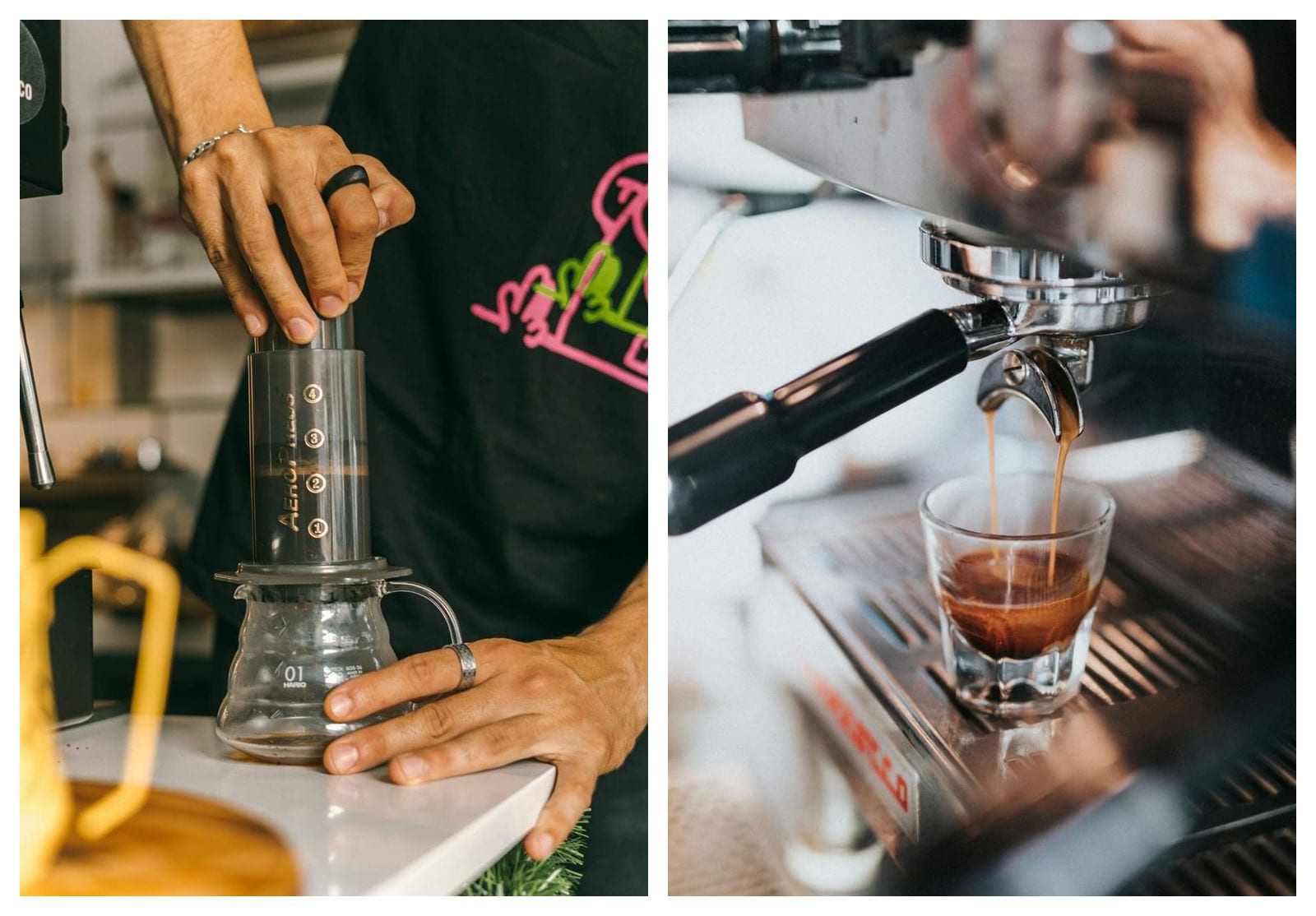
AeroPress vs Espresso Machine: Which One Is Right for You?
The AeroPress costs $40. An espresso machine costs $200 to $2,000. Here is what you get for the difference, and which one makes sense for your kitchen.

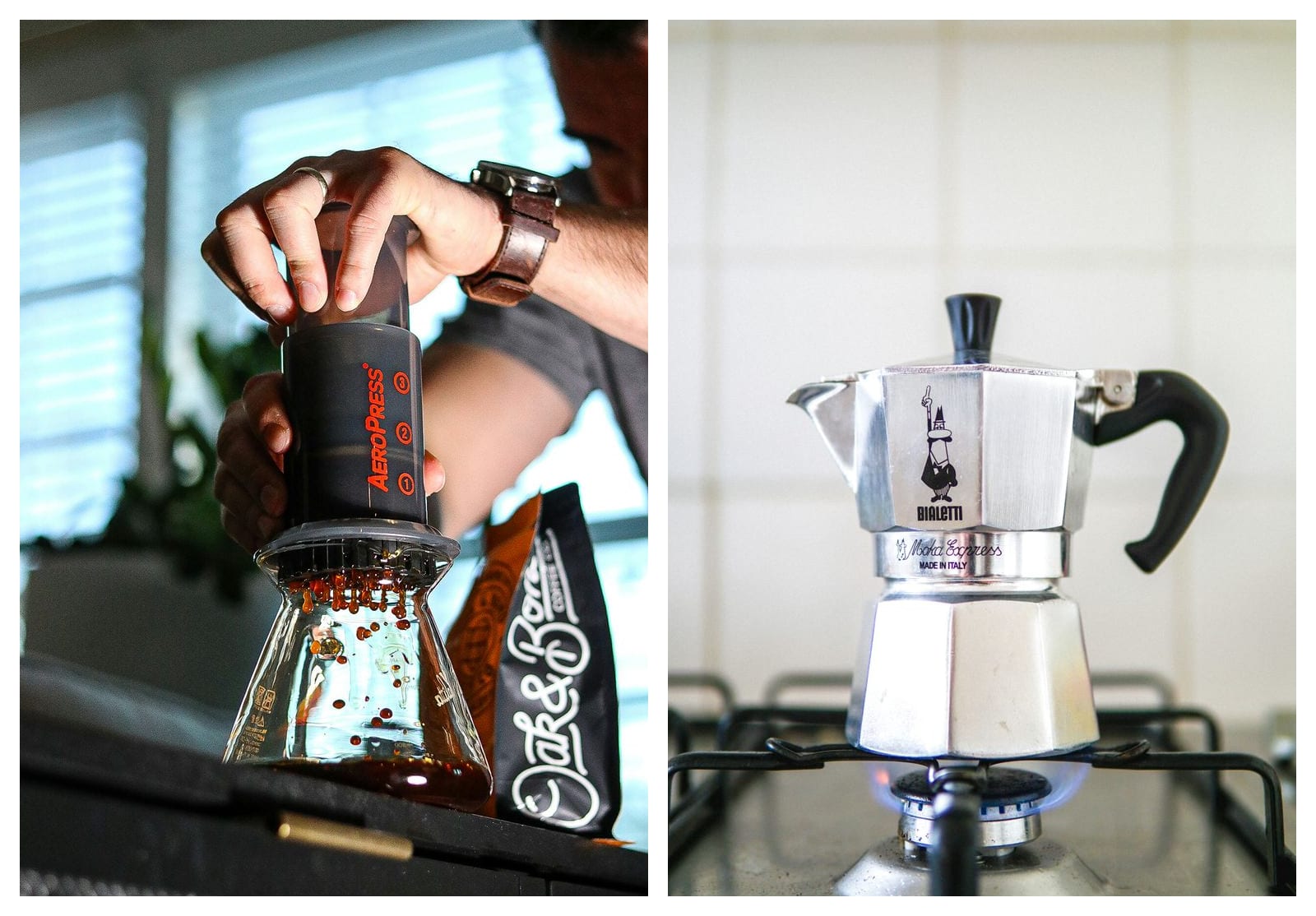
AeroPress vs Moka Pot: Which One Should You Buy?
Two compact brewers, two very different cups. What separates the AeroPress and the Moka Pot on flavor, effort, cost, and who each one is actually built for.
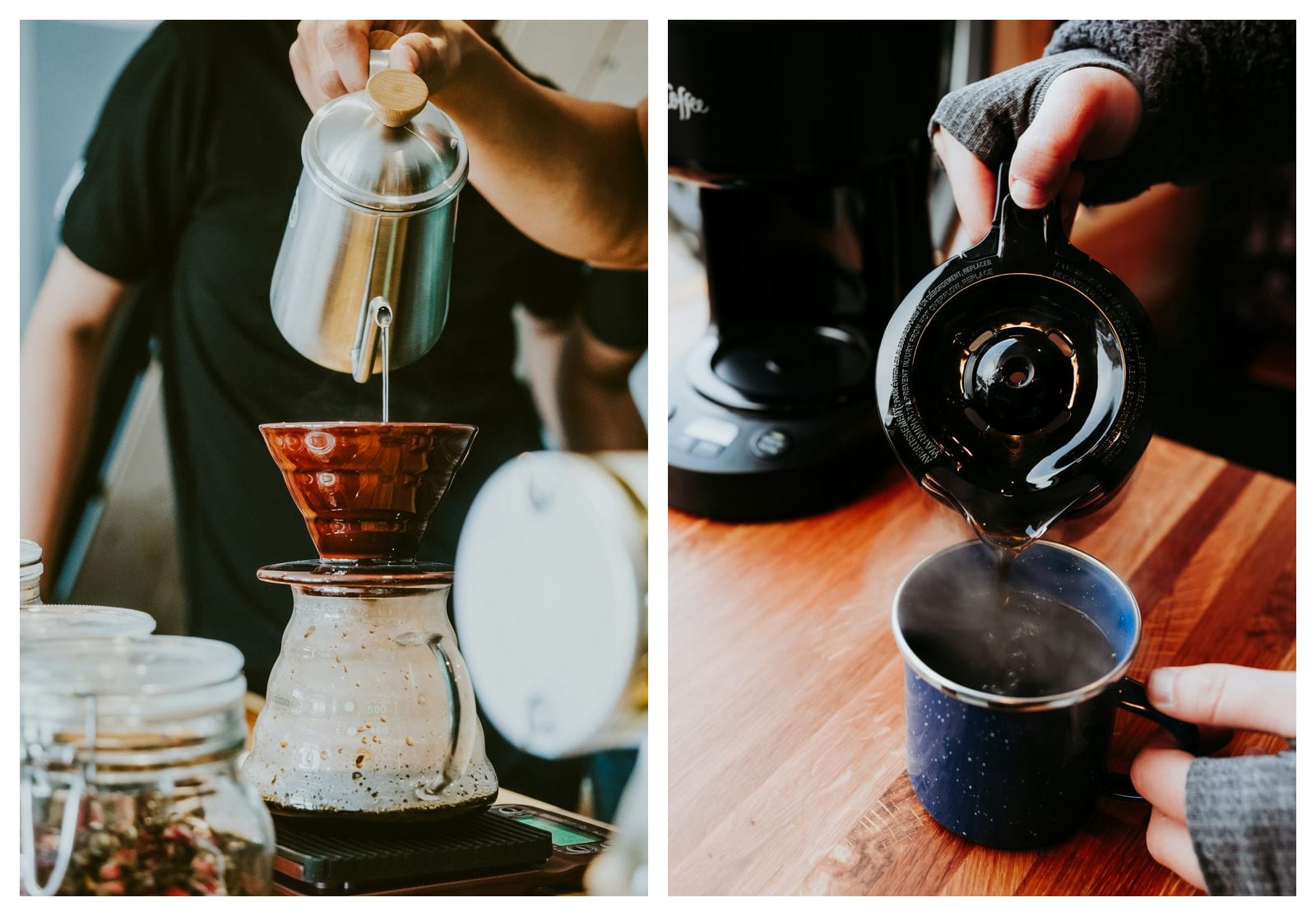
Pour Over vs Drip Coffee: Is the Upgrade Worth It?
A pour over gives you the temperature, the pour and the grind to adjust. A drip machine gives you a button. Which one suits you, on flavor, effort and cost.
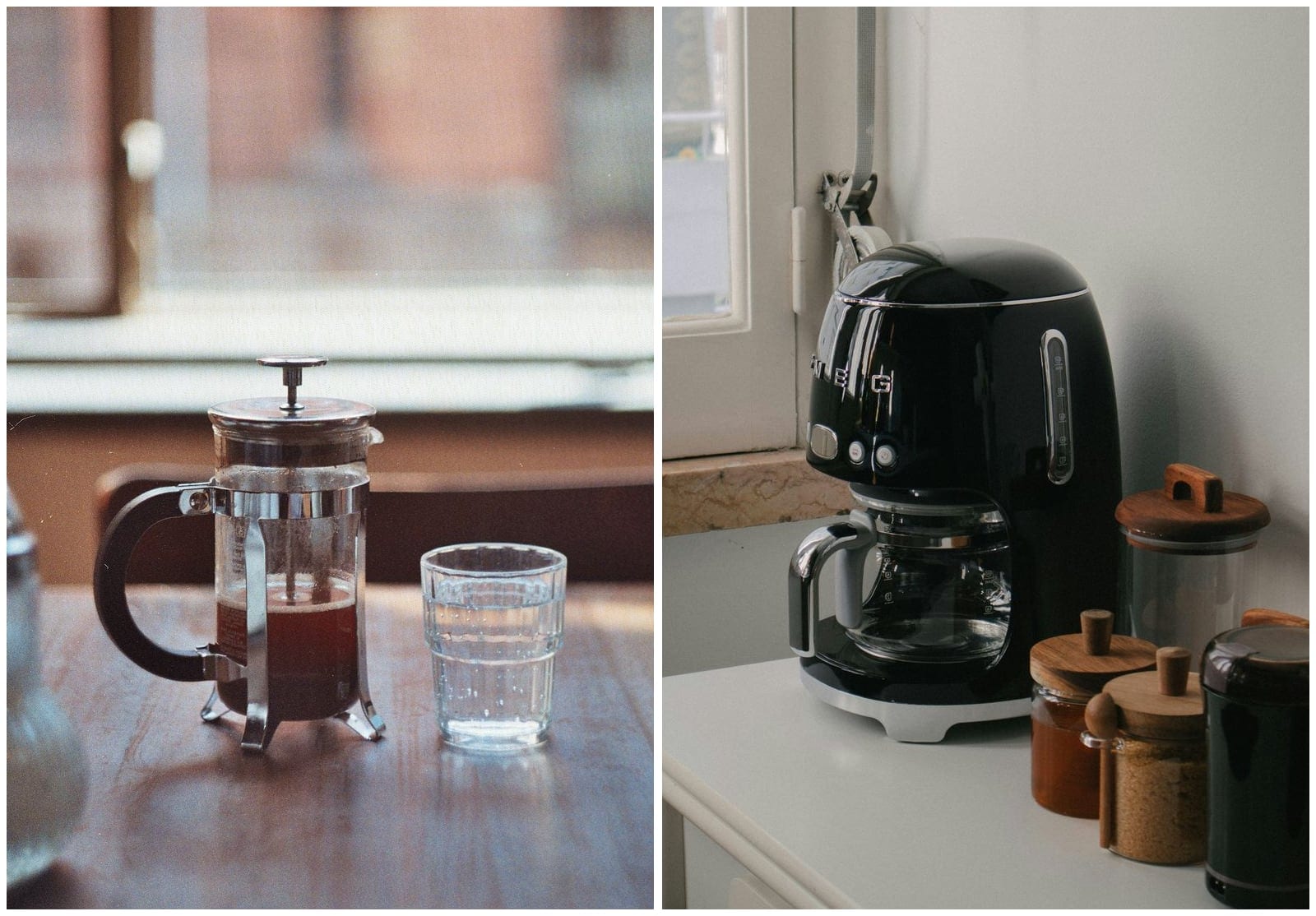
French Press vs Drip Coffee: Which One Should You Use?
Drip machine or French press: the cup, the effort, the cost and the honest trade-offs compared, plus a clear recommendation for each kind of home brewer.