

Is Your Grinder the Problem? How to Tell Before You Upgrade
Before you spend money on a new grinder or espresso machine, here's how to use your own brew data to confirm which one is actually your bottleneck.

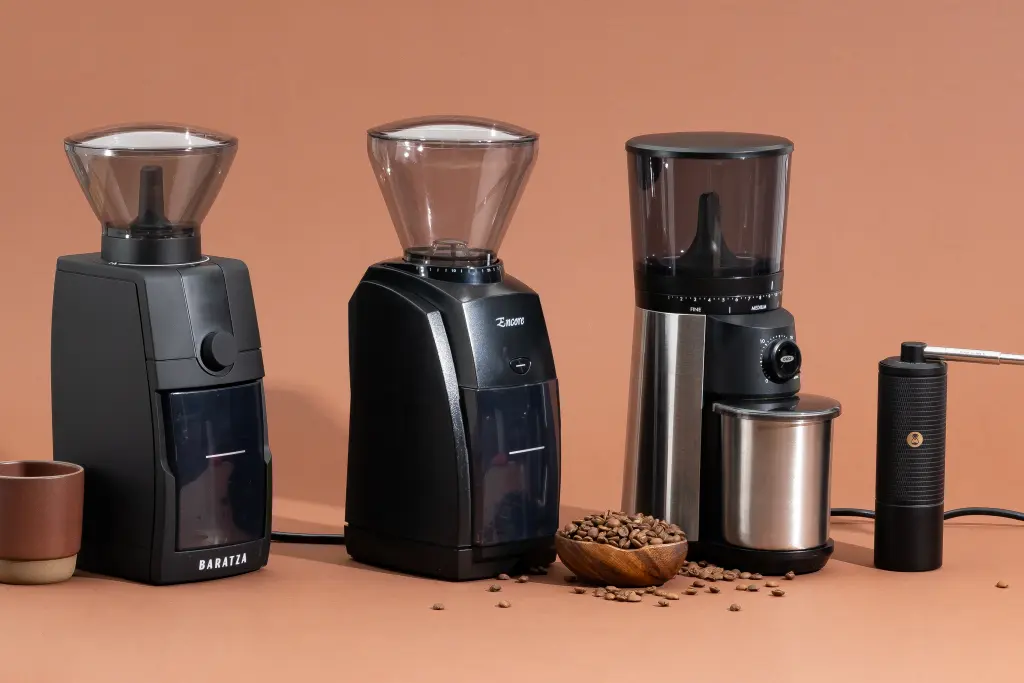
A new grinder is the most repeated fix in home espresso. It is not always the right one for you. · NYT Wirecutter
The advice "buy a better grinder" is correct in general but it doesn't tell you whether your grinder is your current bottleneck. The way to know is to look at your own brew data. If your shots are inconsistent pull to pull despite identical dose, ratio, and timing, the grinder is almost certainly the limit. If your shots are consistent but consistently mediocre, the problem is more likely technique, beans, or recipe, and a new grinder won't fix it. Diagnose before you spend. A brew journal makes the diagnosis obvious.
Every coffee forum agrees on one thing: the grinder matters more than the machine. It is the single most repeated piece of advice in home espresso, and it is true. I learned it the hard way, with a blade grinder that could not give me a consistent shot no matter how carefully I worked.
So this article is not here to argue with that advice. It is here to answer the question the advice skips: how do you know the grinder is what's holding your cup back, right now, before you spend money on a new one? "Grinders matter" is true in general. It is not yet a diagnosis of your setup. The two are different, and the difference is worth a few hundred euros.
Why does everyone say the grinder matters more?
The consensus is real and it is not marketing. James Hoffmann, who has tested more grinders publicly than almost anyone, put it plainly: "better coffee will trump a better brewer every single time." The grinder, not the machine, is what determines whether the coffee going into the brew is any good to begin with.
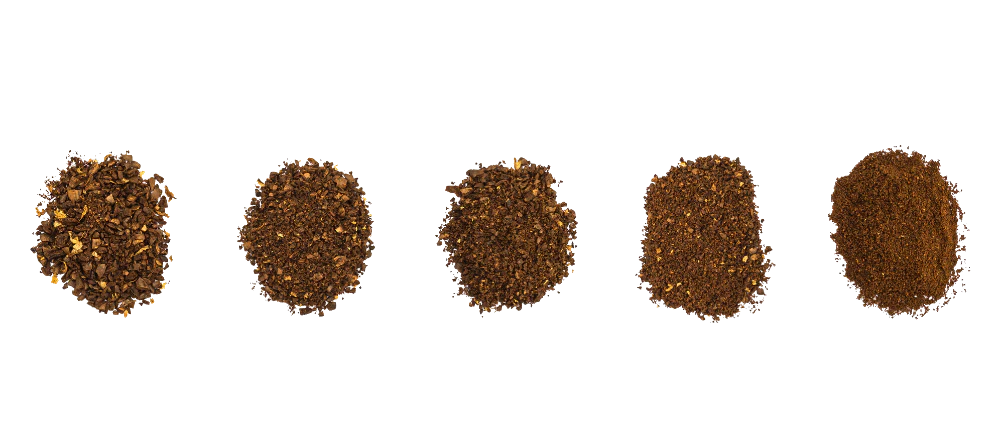
The reason is particle consistency. A grinder's job is to turn beans into particles of a target size. A good grinder produces particles that cluster tightly around that size. A poor one produces a wide spread: some dust-fine fines, some coarse boulders, in the same batch. Fines over-extract while boulders under-extract in the same brew, and what coffee extraction actually is explains the chemistry of why that wrecks the cup.
That spread matters more for espresso than for any other method. A 2022 study of espresso extraction via packed bed compression found that lower particle size uniformity produced lower packed bed porosity even at a larger mean particle size. In plain terms: when your grind is uneven, water moves through the puck unevenly, no matter how well you dialed in everything else. The Specialty Coffee Association's home brewing standard (SCA Standard 310-2021) even defines a target particle size distribution, at least 65% of grounds in the 589 to 1168 micron range, because distribution, not just average size, is what the standard cares about.
So the consensus is sound. But "the grinder matters" is a statement about grinders in general. It is not a diagnosis of your setup. Plenty of people read that advice, buy a new grinder, and find their coffee barely changed, because the grinder was never their actual bottleneck. Or because they bought the wrong grinder, which is a different problem for a different article.
How do I tell if my grinder is the bottleneck?
Here is the test, and it costs nothing. It comes down to one question: are your shots inconsistent, or are they consistently mediocre? Those two problems look similar in the cup but they have different causes and different fixes.
Inconsistent shots means you pull a good one, then a bad one, then an okay one, with no change in what you did. Same beans, same dose, same grind setting, same timing, and the cup still swings. If you have a brew journal, this shows up as a jagged score line: a 7, then a 5, then a 6.5, then an 8 you can't repeat. This is the signature of a grinder problem. A grinder that can't produce the same particle distribution twice will hand you a different puck every pull, and no amount of technique fixes a moving target.
Consistently mediocre shots means your cups are stable but they all land around the same unremarkable score. A flat journal line at 6, pull after pull. This is usually not a grinder problem. A grinder that produces a consistent grind, even a consistently imperfect one, gives you a stable base to work from. If the base is stable and the result is still mediocre, the limit is more likely your recipe, your beans, your technique, or the machine. A new grinder will not move that line.
This is the distinction the generic advice skips. "Buy a better grinder" helps the first person and wastes the second person's money.
What does my brew journal actually show?
You cannot do this diagnosis from memory. Memory smooths things out. You remember the good shots and the bad ones and you average them into a vague sense of "it's a bit inconsistent," which tells you nothing.
A written record does the opposite. It makes the shape of your inconsistency visible. When you log dose, grind setting, yield, time, and a taste score for every pull, the pattern emerges after fifteen or twenty entries. Either the scores swing while the inputs stay fixed, which points at the grinder, or the scores are stable, which points away from it.
If you brew often enough that keeping this record by hand gets tedious, an app that logs your variables across pulls makes the pattern obvious without the manual flipping. That's why we built iCoffee. It records what you did and what it tasted like, and lays the two side by side, so the jagged line or the flat line shows up on its own.
The point is not the tool. The point is that the diagnosis is in the data, not in your impression of the data. Fifteen logged pulls will tell you, with no ambiguity, which kind of problem you have.
Grinder or machine: which upgrade actually changes the cup?
Say the diagnosis points at hardware. You have ruled out technique and beans, your inputs are steady, and the cup still swings or still disappoints. Now the money question: grinder or machine?
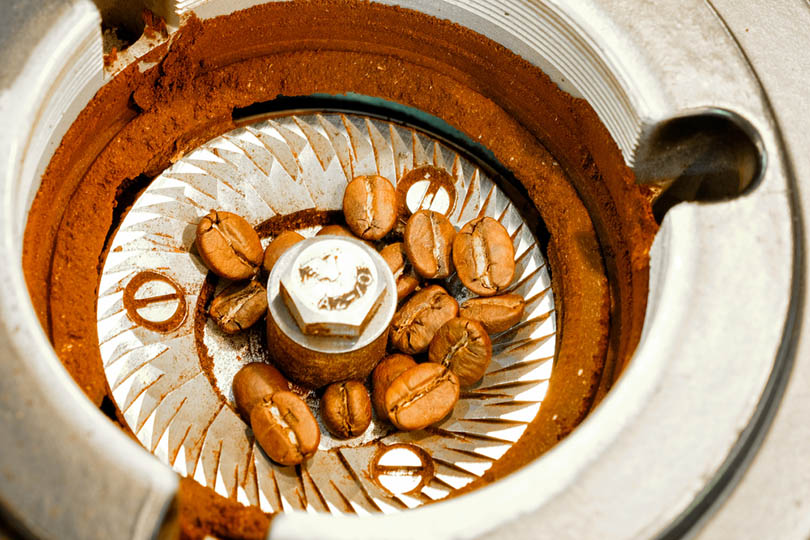
For almost everyone brewing at home, the answer is the grinder, and it usually is not close. The machine's job is to push hot water through the puck at a stable temperature and pressure. Most machines, even modest ones, do that well enough. The grinder's job is to build the puck in the first place, and a bad grinder fails that job in a way the machine physically cannot compensate for. Hoffmann's framing holds: a great grinder feeding a modest machine beats a great machine fed by a poor grinder.
Scott Rao, who writes extensively on espresso extraction, makes the same point from the café side. In his writing on low-cost ways to improve coffee quality and consistency, he argues that swapping worn burrs and properly aligning them are among the highest-impact, lowest-cost moves a coffee operation can make, changes that "would dramatically improve average extraction quality." The setting is professional, but the physics is the same at home: the burrs do most of the work, and money spent on them returns more in the cup than money spent anywhere else.
The exception is narrow. If your grinder already produces a genuinely consistent grind and your journal shows stable, decent shots, and you want to push from good to excellent, then temperature stability and pressure profiling, the things a better machine buys you, start to matter. But that is a late-stage problem. If you are still reading this to find out whether your grinder is the issue, you are almost certainly not there yet.
Spend on the grinder first. Spend on the machine only when the data says the grinder is no longer the limit.
Quick reference: which problem do you have?
| What your journal shows | Likely cause | What to do |
|---|---|---|
| Scores swing pull to pull, inputs identical | Grinder cannot reproduce a consistent grind | Upgrade the grinder. This is the clearest case. |
| Scores stable but consistently mediocre | Recipe, beans, technique, or machine | Do not buy a grinder yet. Change one variable at a time. |
| Scores climbing as you adjust grind setting | Grinder is fine, you are still dialing in | Keep logging. You have not hit a hardware limit. |
| Scores plateaued, grind is the only variable still moving the needle | Grinder is now the ceiling | Upgrade the grinder. The data has earned the purchase. |
| Scores stable and good, you want great | Grinder is not the limit anymore | Now a machine upgrade can be worth it. |
Frequently asked questions
How do I know if my grinder is good enough for espresso?
Look at consistency, not the cup in isolation. Pull five shots with identical dose, grind setting, and timing, and score each one. If the scores swing noticeably, the grinder cannot reproduce a consistent grind and it is your bottleneck. If the five scores are close together, the grinder is doing its job, even if the shots are not great yet. A grinder is good enough when it gives you a stable base to dial in from.
Should I upgrade my grinder or my espresso machine first?
The grinder, for almost everyone. The machine pushes water through the puck; the grinder builds the puck. A poor grinder fails in a way the machine cannot compensate for. Upgrade the machine only once your brew data shows the grinder produces a consistent grind and the shots are stable and good. Until then, machine money is spent on the wrong problem. If you're still locking in the basics of pulling shots, how to make espresso at home covers the four numbers, and our espresso recipe has the step-by-step.
Why is my espresso inconsistent even though I do everything the same?
Because you cannot grind the same way twice on a grinder that produces an uneven particle distribution. Even with identical dose, setting, and timing, the puck differs pull to pull, so water flows differently and the shot changes. Consistent inputs with inconsistent results is the clearest signature of a grinder that has reached its limit.
Can a better espresso machine fix a bad grind?
No. The machine controls water temperature and pressure, not particle size. An uneven grind creates uneven paths through the puck, and the machine pushes water down those uneven paths regardless of how good it is. No machine setting compensates for a grind the grinder cannot make consistent.
How many shots do I need to log before I can tell?
Around fifteen to twenty pulls, logged the same way each time. Fewer than that and a couple of unlucky shots can look like a pattern. At fifteen to twenty entries the shape is reliable: either the scores swing with fixed inputs, which points at the grinder, or they hold steady, which points elsewhere.
Where to go from here
The grinder advice everyone repeats is correct, but correct in general is not the same as correct for your setup this week. The only way to know whether your grinder is the thing holding you back is to look at your own pulls, logged honestly, and read the shape of the line.
If the scores swing while your hands do the same thing every time, that is your answer, and the upgrade is worth it. If the scores are flat and unremarkable, save the money, because a new grinder will hand you the same flat line in higher resolution. Diagnose first. The receipt should come after the data, not before it.
For the longer version of how I learned this, the notebook that started it, and what 60 pulls on a beginner setup actually taught me, see consistently good espresso at home.
About the author
Taissa Conde
Co-founder of iCoffee
Make your next cup count.
iCoffee is the app that helps you brew better coffee at home, every day.
Get the appdownloadKeep reading
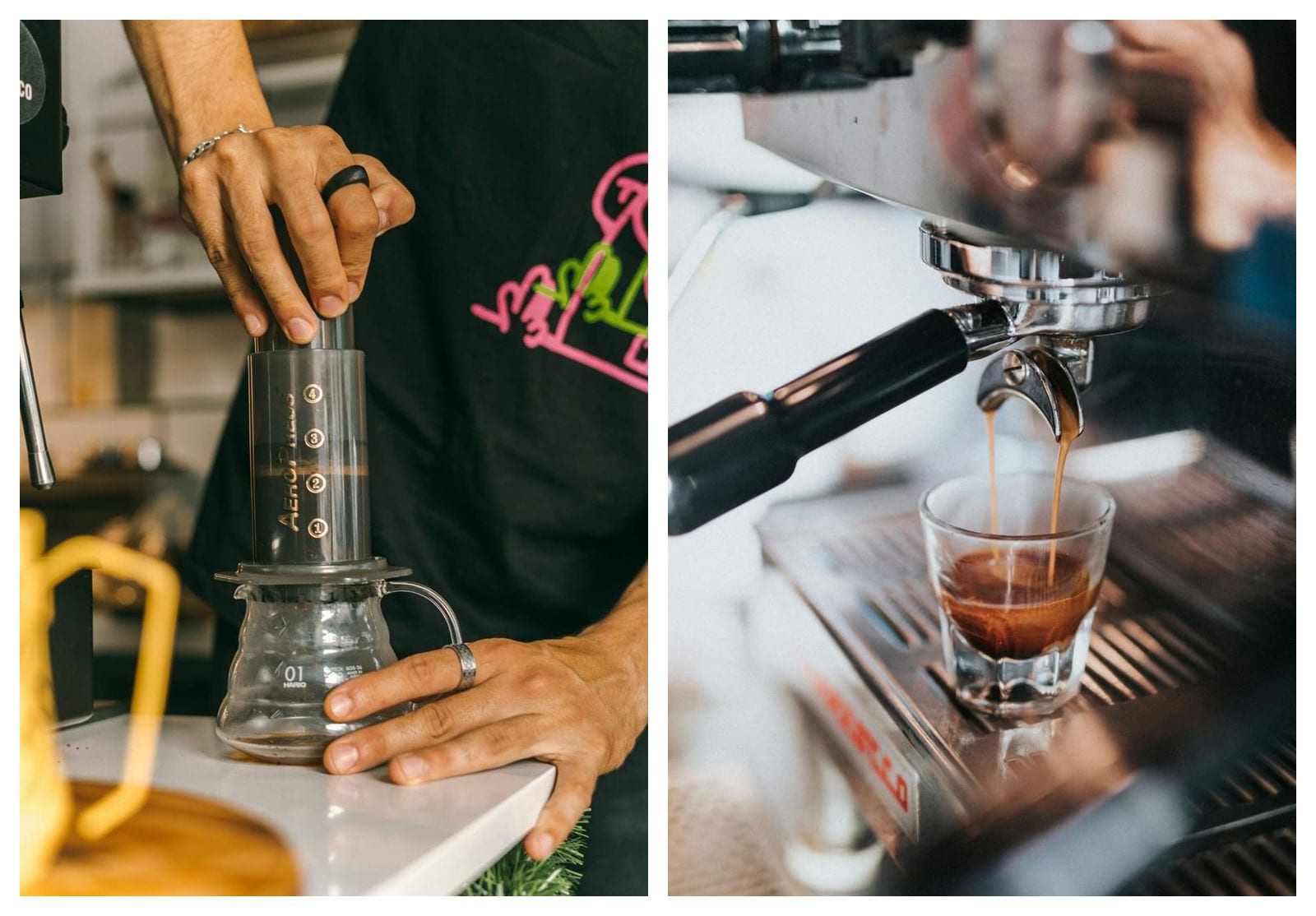
AeroPress vs Espresso Machine: Which One Is Right for You?
The AeroPress costs $40. An espresso machine costs $200 to $2,000. Here is what you get for the difference, and which one makes sense for your kitchen.
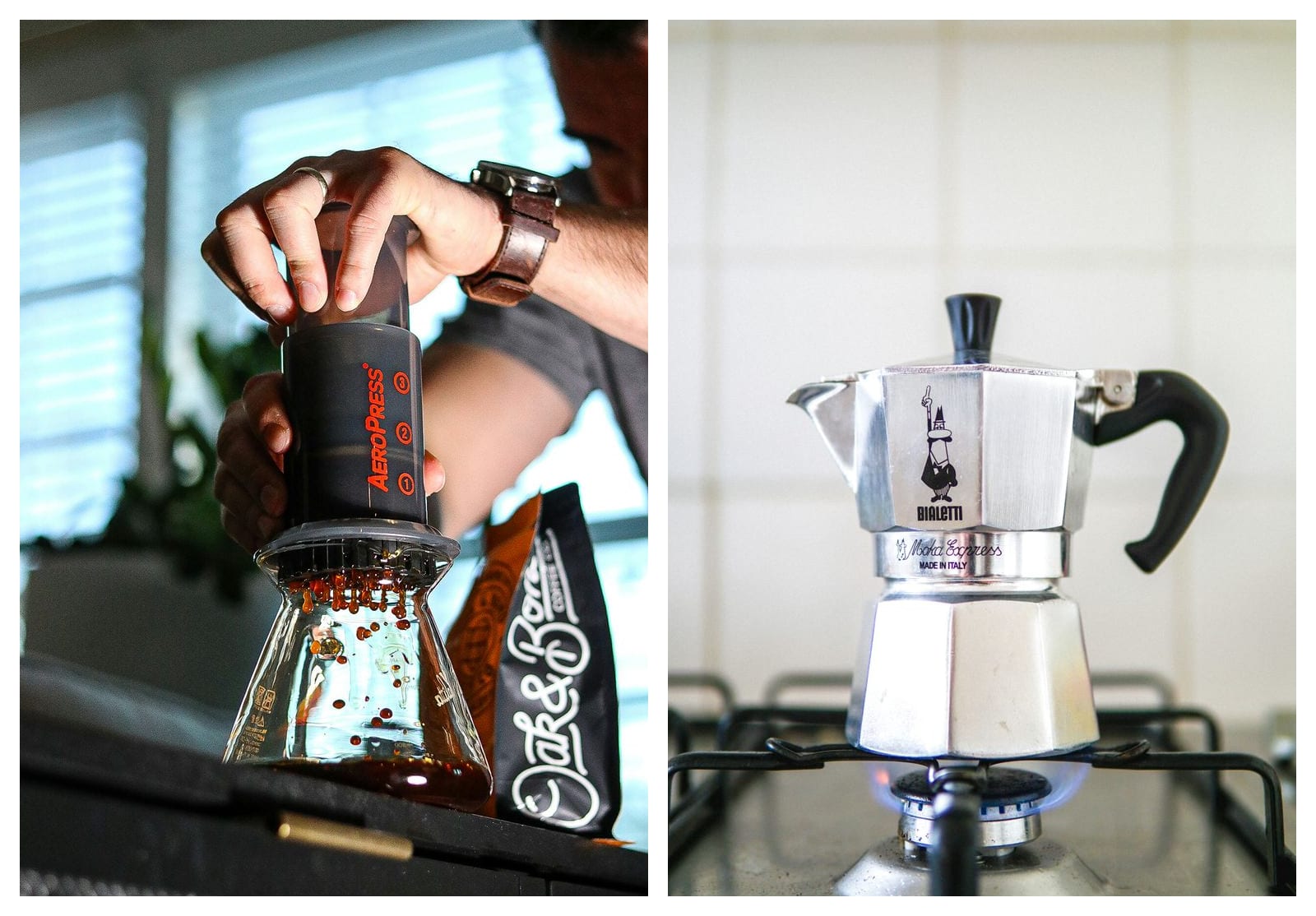
AeroPress vs Moka Pot: Which One Should You Buy?
Two compact brewers, two very different cups. What separates the AeroPress and the Moka Pot on flavor, effort, cost, and who each one is actually built for.

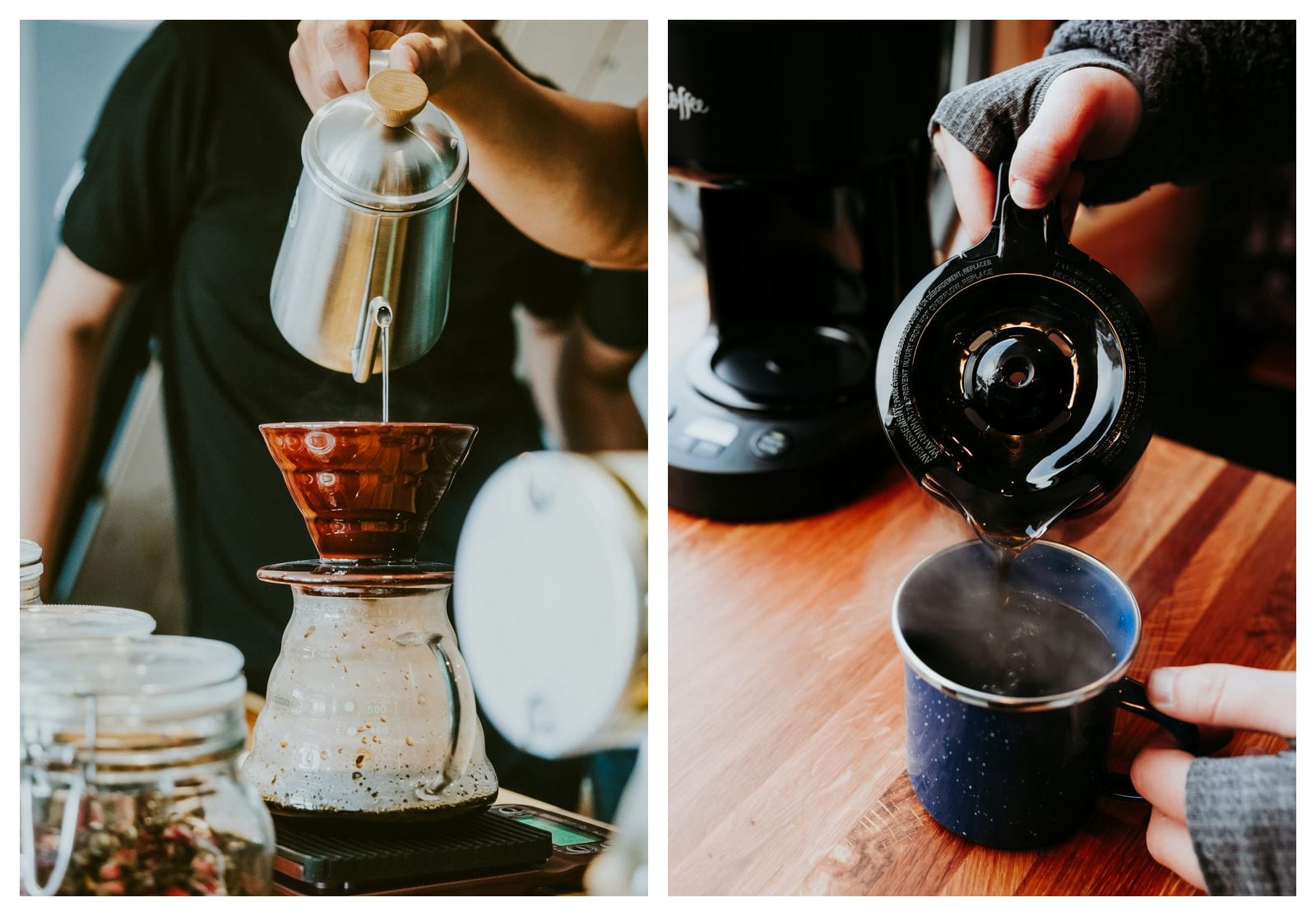
Pour Over vs Drip Coffee: Is the Upgrade Worth It?
A pour over gives you the temperature, the pour and the grind to adjust. A drip machine gives you a button. Which one suits you, on flavor, effort and cost.
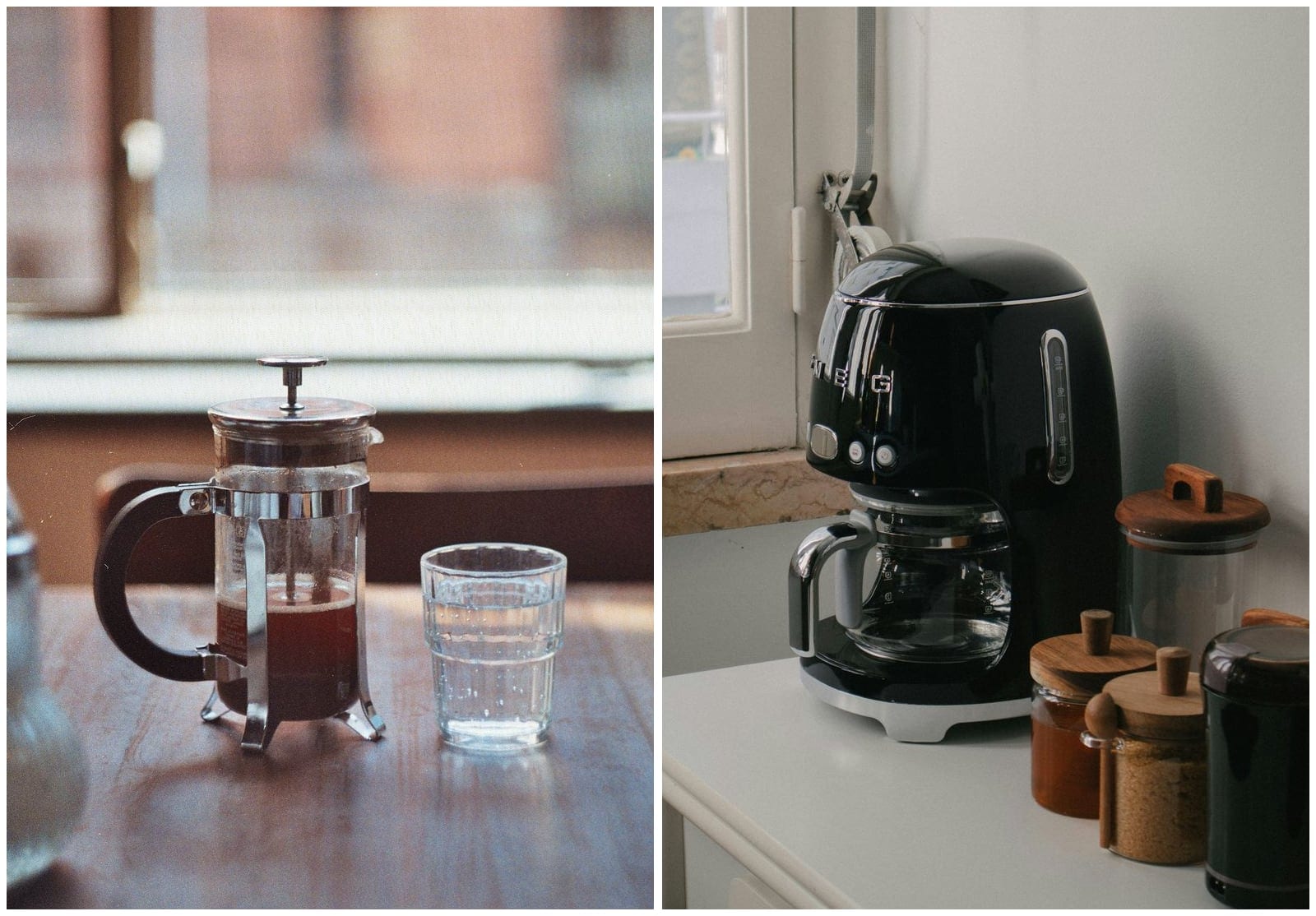
French Press vs Drip Coffee: Which One Should You Use?
Drip machine or French press: the cup, the effort, the cost and the honest trade-offs compared, plus a clear recommendation for each kind of home brewer.