

Espresso Recipe: The iCoffee House Brew
Rich and balanced shot with a thick layer of crema. 18g in, 36g out at 93°C, 1:2 ratio, fine grind, 25-second pull. The modern barista standard.
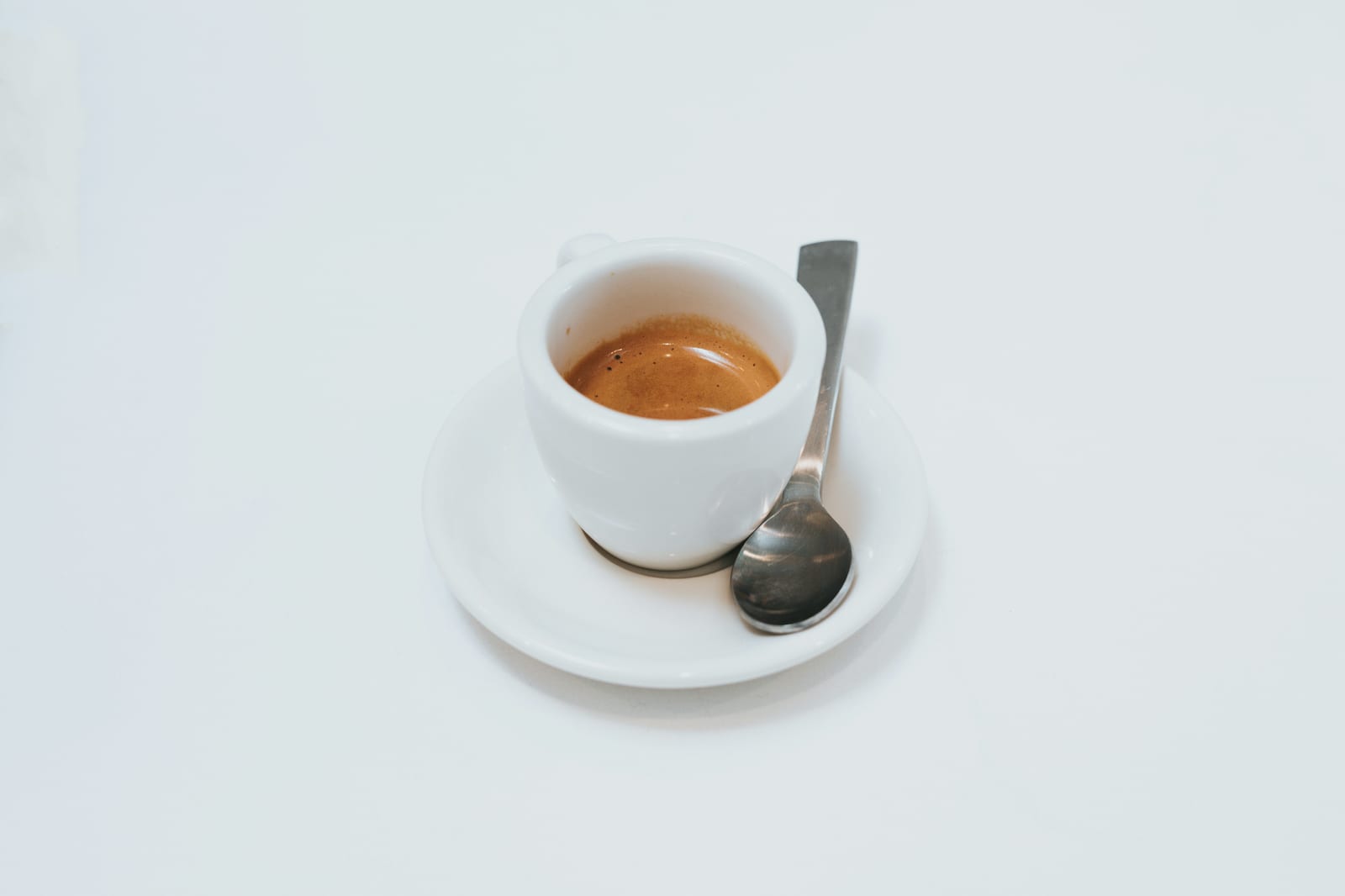
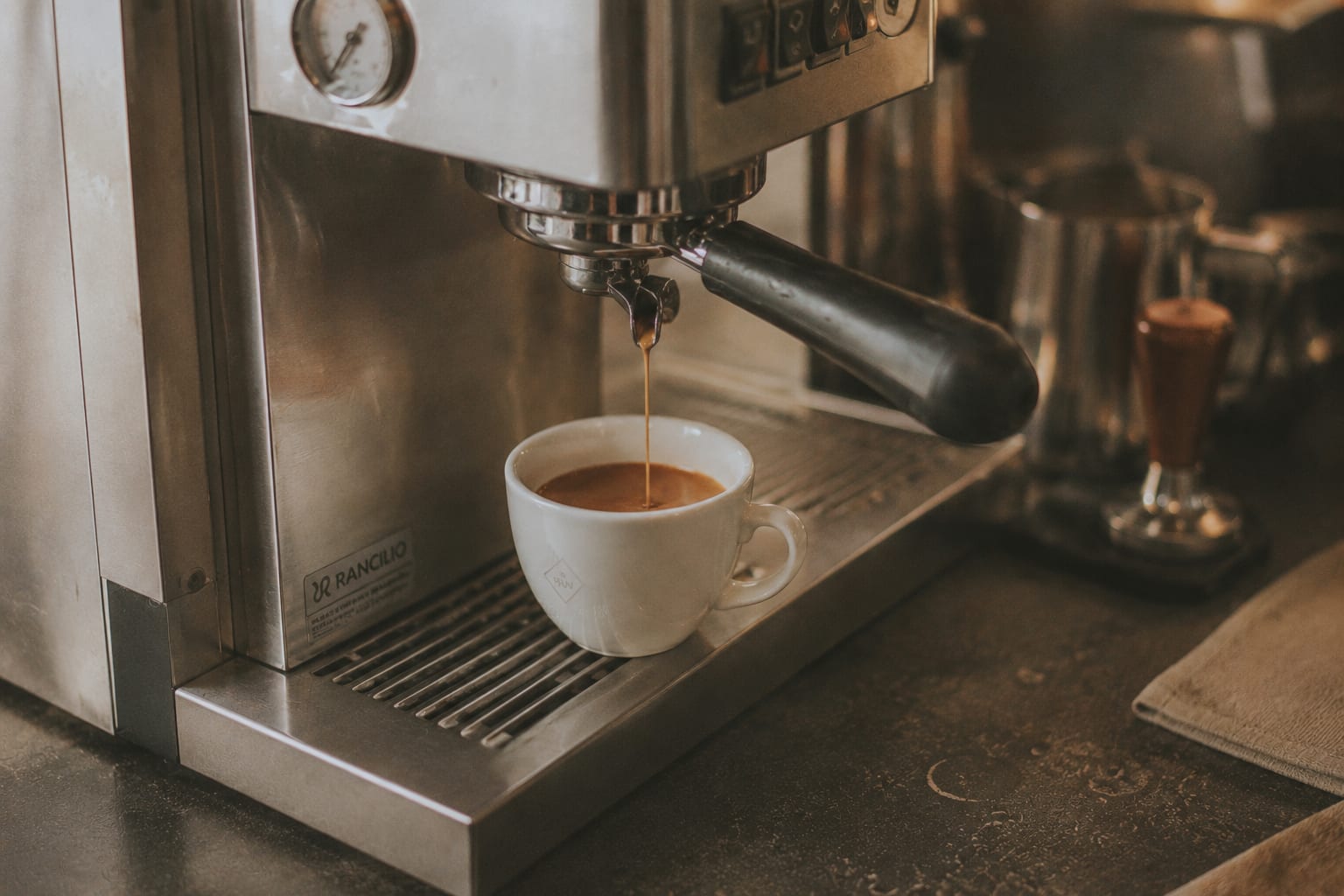
The shot at rest, crema settled and the cup ready before the first sip. · Photo by Nathan Dumlao on Unsplash
The modern espresso recipe is a ratio, not a volume. We pull 18g (0.63oz) in to 36g (1.27oz) out in about 25 seconds at 93°C (199°F), a 1:2 ratio, with finely ground coffee tamped evenly. This is the balanced "normale" shot that café standards rest on. Dialing in the grind takes practice. Once that's set, the recipe is consistent shot to shot.
- Ratio
- 1:2
- Coffee
- 18g (0.63oz)
- Water
- 36ml (1.2 fl oz)
- Temperature
- 93°C (199°F)
- Grind
- Fine
- Total time
- 5 min
- Yield
- 36ml (1.2 fl oz)
- Difficulty
- Expert
What is espresso?
Espresso is a small, concentrated shot of coffee. A machine forces hot water through finely ground coffee compacted into a puck, and that pressure pushes oils and dissolved gas into the cup as the layer of crema on top. It comes out intense and syrupy, only a few mouthfuls, and it's the base almost every milk drink is built on.
The protocol here is 18 g of coffee in, 36 g of liquid out, about 25 seconds. Espresso takes real practice before it tastes right. The grind that ran perfectly yesterday runs fast today because the beans aged a little or the kitchen is humid, so you end up dialing it in most mornings.
What you need
Required equipment
- Espresso machine, ideally with a real 9-bar pump (any modern semi-automatic qualifies)
- Grinder, ideally a burr grinder with fine, espresso-capable adjustment
- Tamper that fits your basket (the one your machine ships with works to start)
- Kitchen scale with 0.1g precision, or one with a built-in brew timer
Nice to have
- Bottomless ("naked") portafilter to see channeling instantly
- Distribution tool (WDT or similar) to evenly spread the grounds before tamping (step 3)
- PID or boiler thermometer to keep group temperature stable
Ingredients
- 18g (0.63oz) freshly ground coffee (fine grind, ideally 1 to 3 weeks after roasting)
- 36ml (1.2 fl oz) brewed espresso (yield, not input water) (2x the dose, pulled at 93°C)
Do you need an espresso machine for this recipe?
Yes. This recipe assumes about 9 bar of pump pressure, and 9 bar is what makes espresso espresso; no stovetop or hand brewer reaches it. Without a machine the closest cups are a moka pot, which runs roughly 1 to 2 bar and makes a strong, concentrated drink with no real crema, and an AeroPress ground fine, which gets you a strong cup that takes milk well. Both are good coffee. Neither is espresso. If you're weighing whether the machine is worth buying, how to make espresso at home walks through that exact decision.
How to pull an espresso shot
Preheat the machine and lock the empty portafilter into the grouphead.
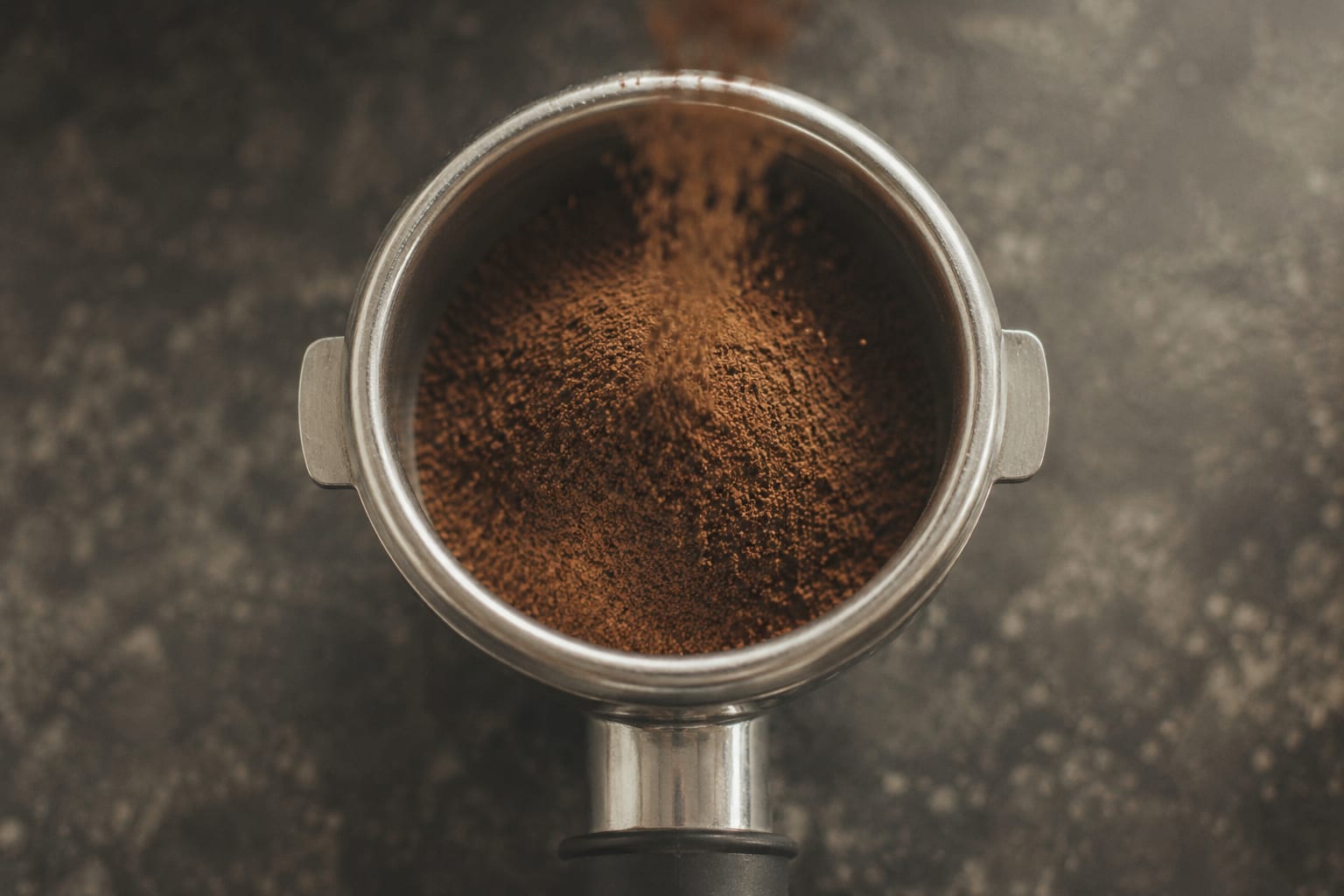
Grind 18g (0.63oz) of coffee directly into the basket.
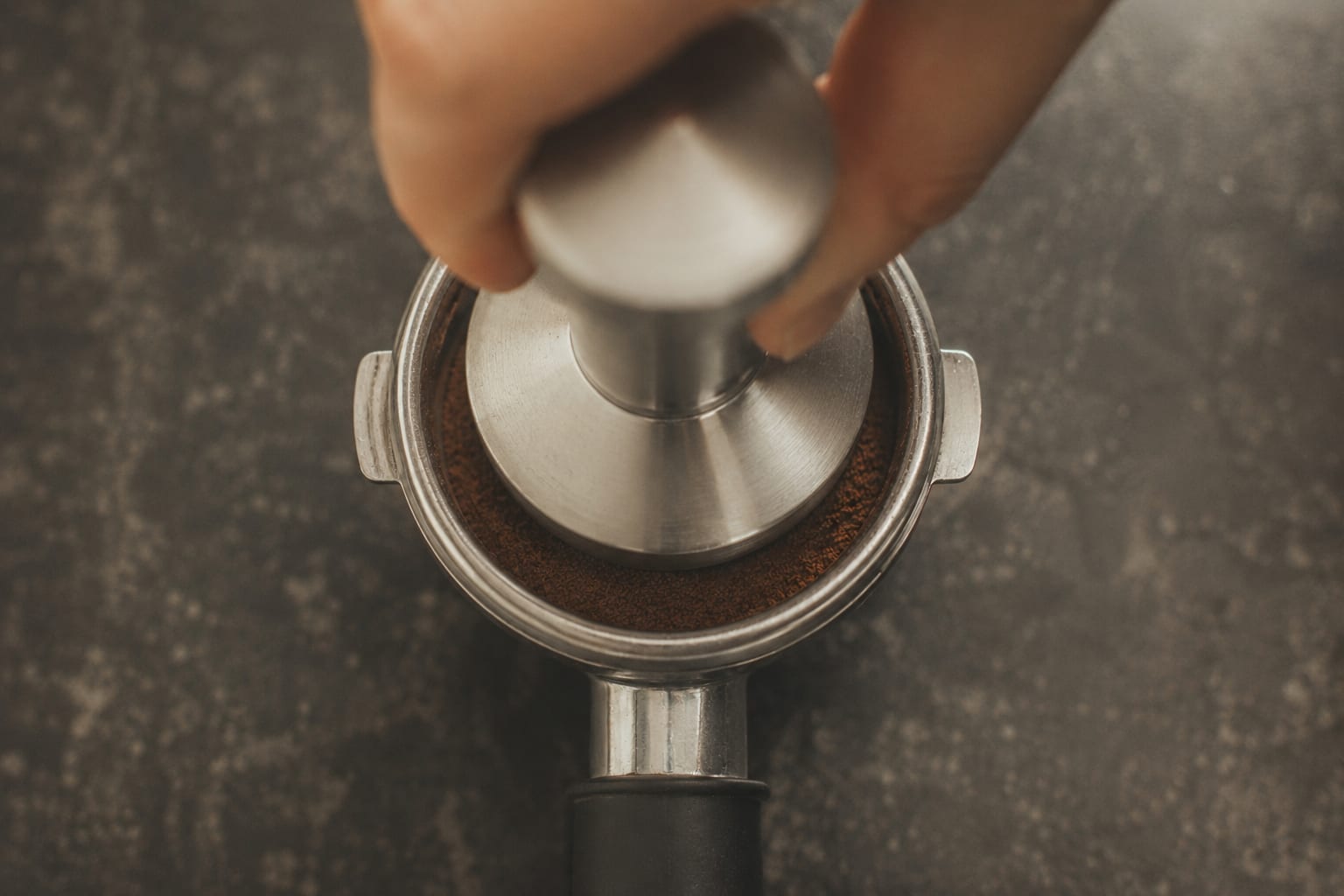
Distribute the grounds with a WDT or tap, then tamp firmly and level (around 15 kg force).
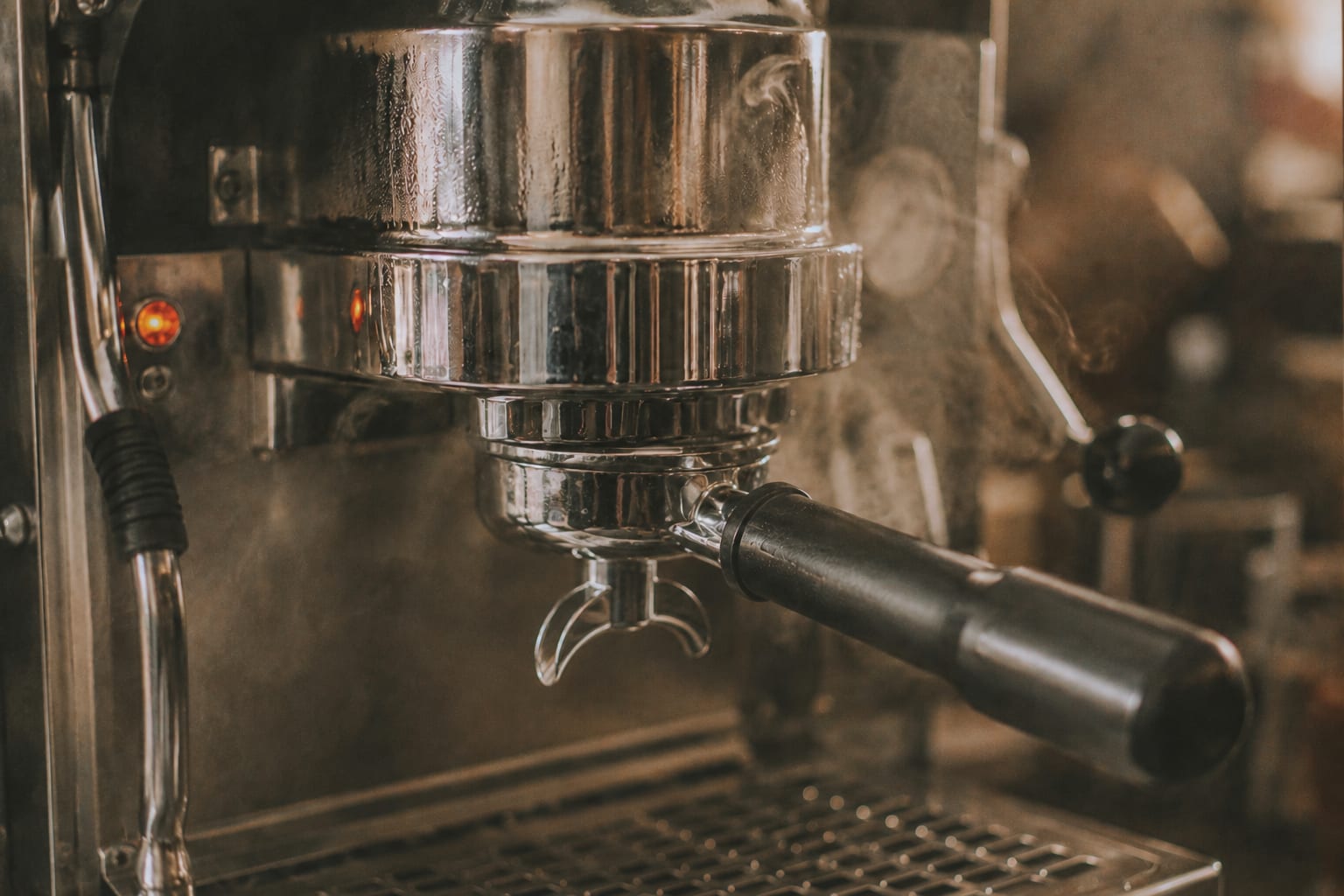
Lock in, start the shot, and stop when the scale reads 36g (1.27oz) in 25-30 seconds.
Why this recipe works
Espresso amplifies every variable. Nine bars of pressure means small grind, temperature, or tamp errors land hard inside 25 seconds of contact. The numbers below are the modern third-wave defaults because that's where the variables balance.
Ratio. 1:2, 18g (0.63oz) in to 36g (1.27oz) out. Ristretto pulls (1:1) over-emphasise body and acidity; lungo pulls (1:3) thin out and turn bitter past the brew window. 1:2 is the modern "normale", the SCA dial-in that gives the most balanced extraction across light, medium, and dark roasts.
Temperature. 93°C (199°F). Hotter pushes bitterness; cooler pushes sourness. The 92-94°C band is what every PID-controlled machine targets.
Grind. Fine. Espresso runs on resistance, and the grind is the lever that controls flow. Coarser and the shot gushers; finer and it chokes. The dial-in is daily because humidity, bean age, and grinder burr wear all shift the sweet spot.
Tamp. Level matters more than hard. An unlevel tamp causes channeling, where water finds the path of least resistance and bypasses most of the coffee. Channeling is the single biggest reason home shots taste sour.
Espresso ratios change with bean development. Lighter roasts often pull better at 1:2.5, darker roasts at 1:1.8. The 1:2 default is where to start; the recipe stays the same, but adjust the yield up or down by a gram each session based on how the cup tastes.
What to adjust
If your shot tastes bitter and burnt: your grind is too fine and the shot ran past 35 seconds, or your water is too hot. Step one click coarser and check the brew temperature.
If your shot tastes sour and watery: your grind is too coarse and the shot ran under 20 seconds. Step one click finer.
If your shot gushes or channels, your tamp likely wasn't level, or the grounds didn't quite reach a corner of the basket. Use a WDT tool to distribute everything evenly before you tamp, and use your fingers around the rim of the portafilter to feel if your tamp is level.
Brewed it? Tell us how it went.
Related
More recipes
- Moka Pot Recipe: The iCoffee House Brew
Bold and punchy, the stovetop classic. 18g coffee, 160ml water at near-boil, 1:10 ratio, fine grind. Stop at the gurgle. Ready in 10 minutes.
- AeroPress Recipe: The iCoffee House Brew
Clean and balanced, body in the middle and clarity at the top. 15g coffee, 225ml water at 85°C, 1:15 ratio, medium-fine grind. Ready in 3 minutes.
- French Press Recipe: The iCoffee House Brew
Bold and full-bodied, holding the natural oils paper filters strip out. 30g coffee, 450ml water at 94°C, 1:15 ratio, coarse grind. Ready in 8 minutes.
Related guides
- How to Make Espresso at Home: Recipe + Fixes
How to make espresso at home: the recipe, the four numbers that shape a shot, what to adjust first when one is off, and what to do without a machine.
- Consistently Good Espresso at Home: The Notebook That Started iCoffee
What 60 espresso pulls in a beginner's notebook taught me about the only variable that actually matters at home, and how that notebook became the iCoffee app.
- Is Your Grinder the Problem? How to Tell Before You Upgrade
Before you spend money on a new grinder or espresso machine, here's how to use your own brew data to confirm which one is actually your bottleneck.